All About Brigitte Bardot’s Estranged Son Nicolas-Jacques Charrier and His Life Away From the Spotlight
Brigitte Bardot was celebrated worldwide as a model, actress, singer, and cultural icon — a symbol of freedom, beauty, and rebellion in postwar cinema. Yet behind the fame, she was candid about one deeply personal truth: motherhood was never a role she wanted or felt prepared to embrace.

In her memoir Initiales B.B., Bardot wrote with striking honesty about her fears and emotional limits:
“I’m not made to be a mother. I’m not adult enough to take care of a child.”
Despite those feelings, Bardot became a mother in 1960, giving birth to her only child, Nicolas-Jacques Charrier — a relationship that would remain complicated and distant for decades.
The Birth of Nicolas-Jacques Charrier
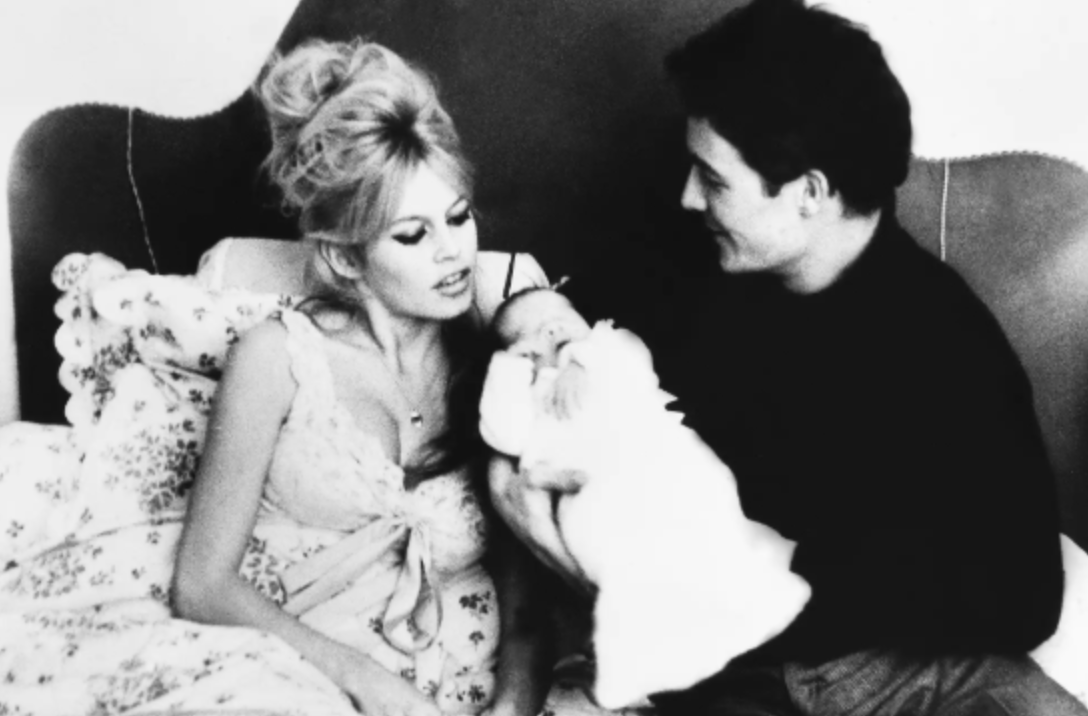
Nicolas-Jacques Charrier was born on January 11, 1960, in Paris, during a home birth at the apartment Bardot shared with her then-husband, actor Jacques Charrier. Contemporary reports note that the newborn weighed just over seven pounds.
Later in life, Bardot described her pregnancy in emotionally raw terms, admitting she struggled deeply with the idea of motherhood and feared losing her independence at the height of her fame.
Raised Away From His Famous Mother
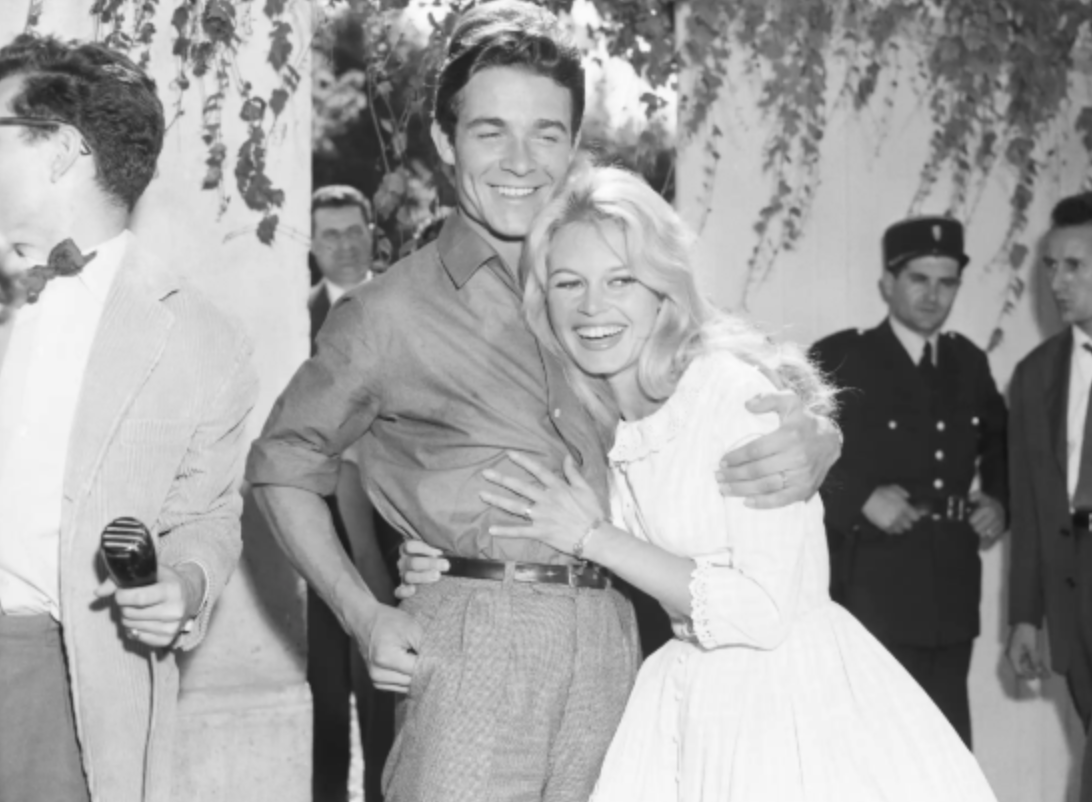
After Bardot and Charrier divorced in 1962, custody of Nicolas was awarded to his father. He was largely raised by his paternal grandparents, growing up away from the spotlight that followed his mother everywhere.
Bardot would later reflect on that separation with painful self-awareness:
“I didn’t bring up Nicolas because I needed roots. I couldn’t be his roots. I was lost in that crazy world.”
Her absence from her son’s daily life became one of the most discussed — and criticized — aspects of her personal story.
The Memoir That Reignited Old Wounds
When Initiales B.B. was published in 1997, both Nicolas and his father attempted to block sections of the book that referenced them. Their efforts failed, and the memoir quickly became a lightning rod for controversy.
Among the most criticized passages were Bardot’s descriptions of her pregnancy as traumatic and her reference to her son as the “object of my misfortune.” These statements dominated headlines and sparked widespread public debate in France and beyond.
Legal Battle Over Initiales B.B.
Following the book’s release, Jacques Charrier and Nicolas filed a lawsuit against Bardot for invasion of privacy. The memoir included allegations of abuse and deeply personal reflections that the court deemed damaging.
A Paris court ultimately ruled in their favor, ordering Bardot to pay approximately $40,000 in fines.

Jacques Charrier’s Response
That same year, Charrier published his own book, My Response to Brigitte Bardot, presenting a sharply different account of their family life. He claimed Bardot’s private letters showed affection and concern for Nicolas that her memoir failed to reflect.
Charrier passed away in 2025, closing a long and public chapter of dispute between two people bound by history and parenthood.
Limited Contact, Private Boundaries
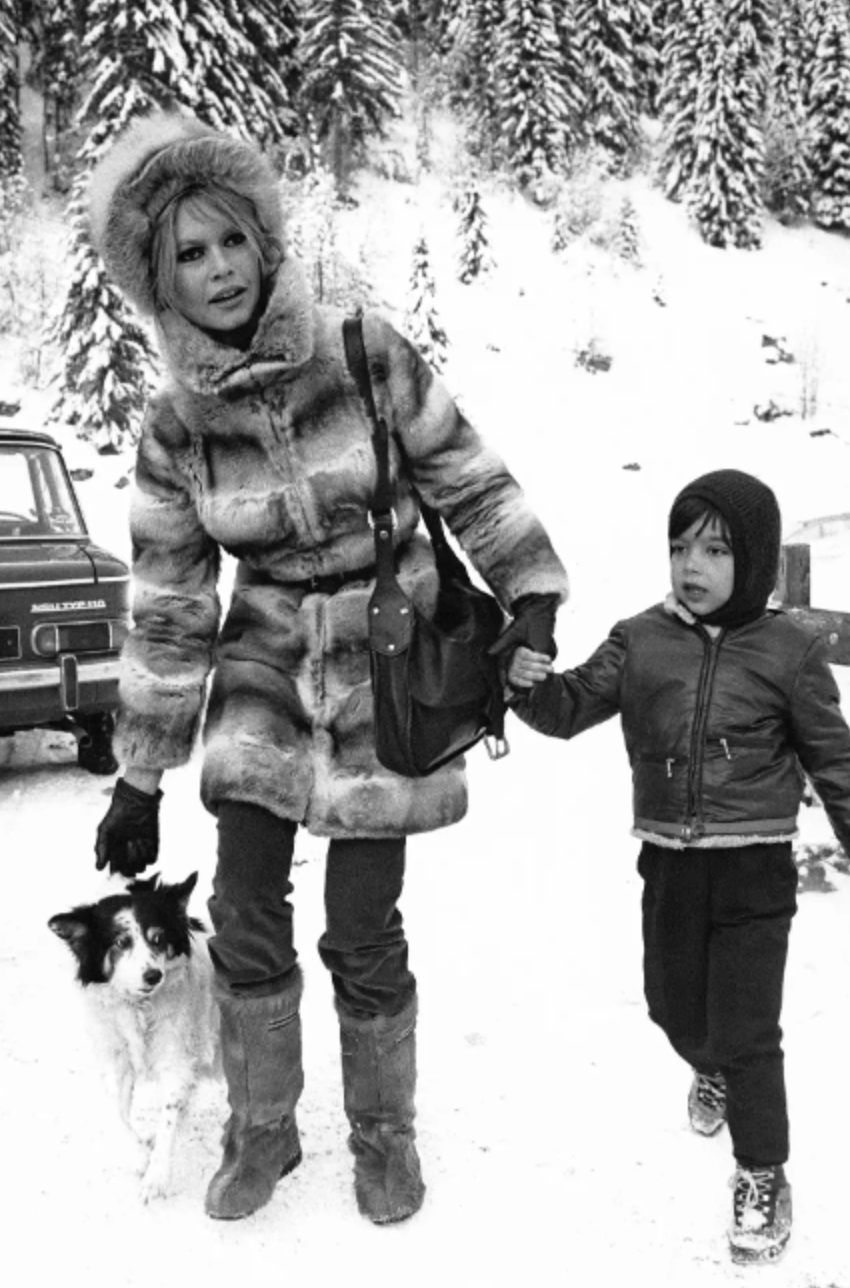
Over the years, Bardot and Nicolas maintained occasional contact, though their relationship remained distant. In 1992, when Bardot married Bernard d’Ormale in Norway — near where Nicolas lived with his family — she reportedly called her son personally, hoping he would meet her new husband.
In later interviews, Bardot explained why she stopped speaking publicly about Nicolas altogether. She said she had promised him she would no longer discuss him in the media — a boundary she has largely respected since.
Through Nicolas, Bardot became both a grandmother and great-grandmother, though those family ties have remained intentionally private.
A Story Marked by Honesty and Distance
The story of Brigitte Bardot and her son is not one of reconciliation or public sentimentality. Instead, it reflects a rare, uncomfortable honesty about personal limits, fame, and the emotional cost of living a life constantly in the spotlight.
It remains one of the most complex and human chapters in the life of a woman the world once viewed as untouchable.