James Watson, Legendary DNA Pioneer and Nobel Prize-Winning Biologist, Dead at 97
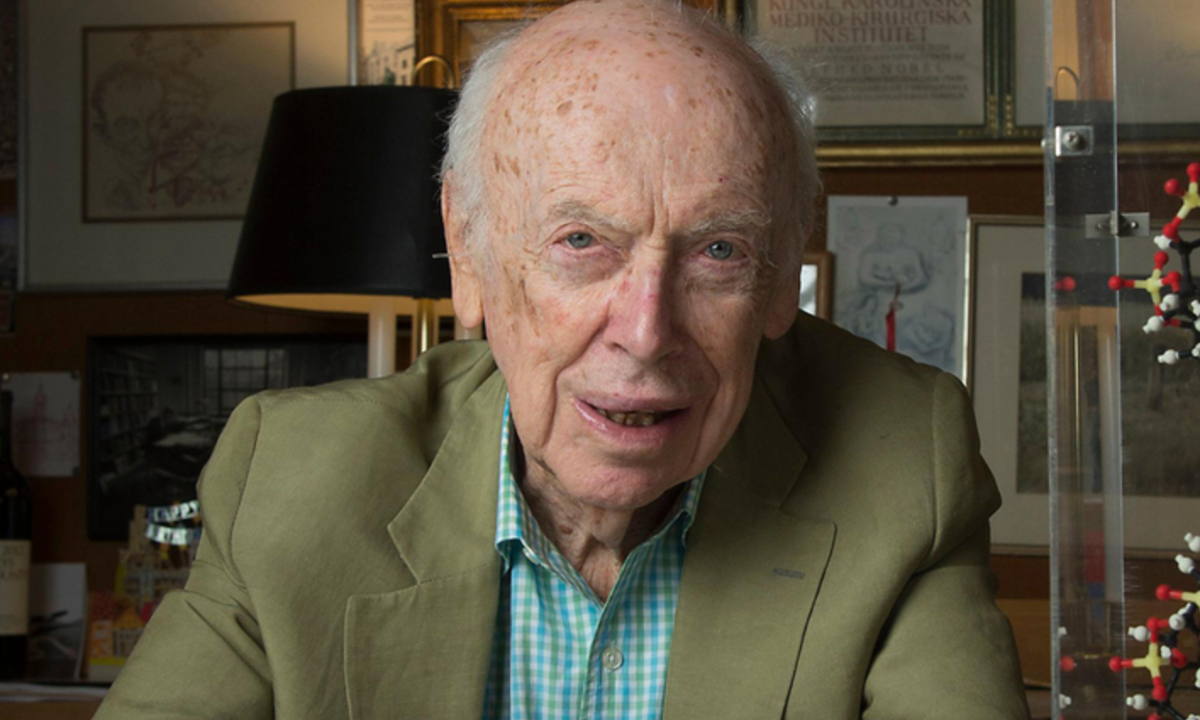
James D. Watson, the world-renowned molecular biologist who helped unlock the secret of life by discovering the double-helix structure of DNA, has died at the age of 97.
Watson passed away Thursday at a hospice facility in East Northport, New York, after being transferred from a hospital where he had been treated for an infection, his son Duncan Watson confirmed to The New York Times.
A Discovery That Changed Science Forever
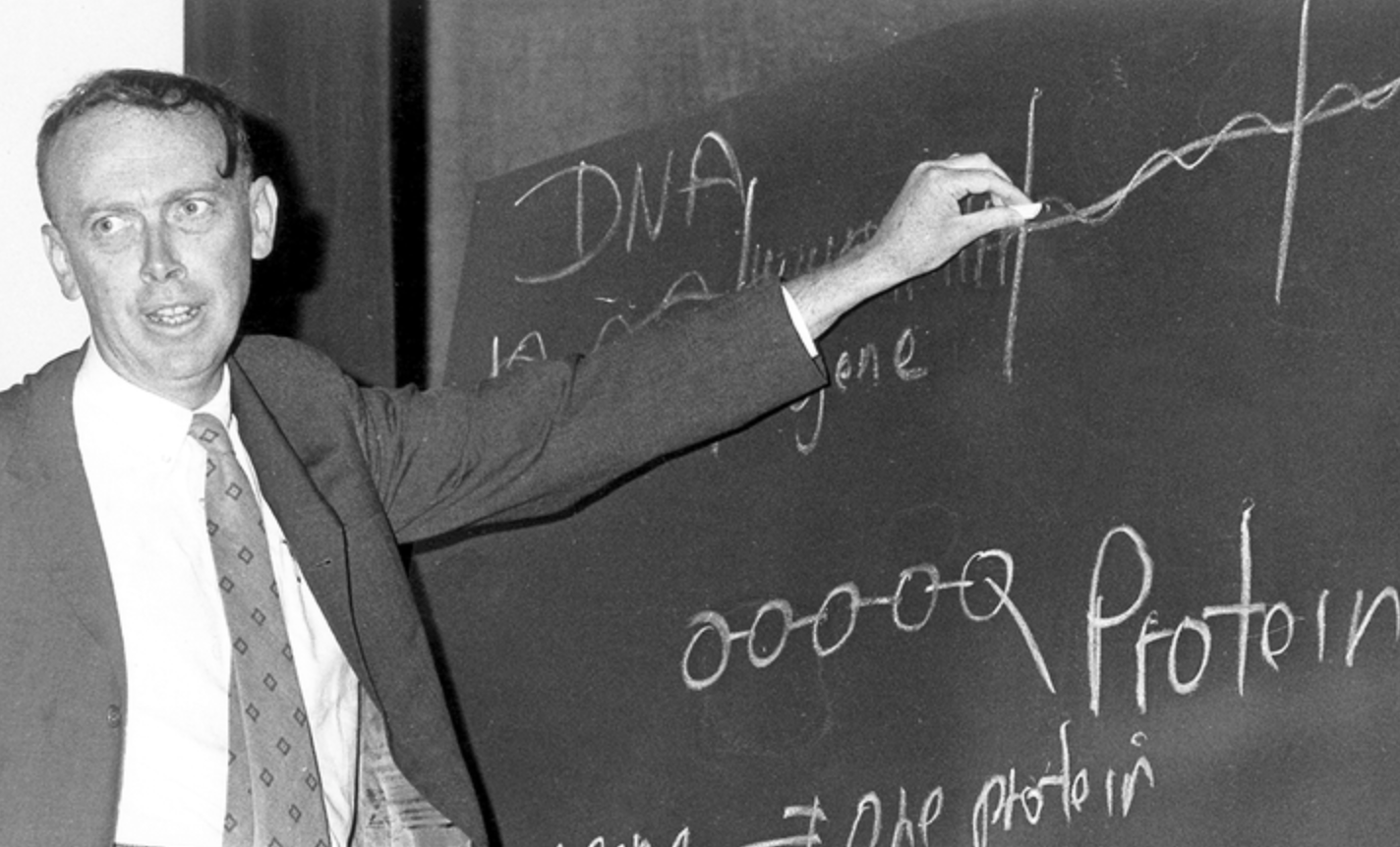
In 1953, Watson, then just 25 years old, made one of the most significant scientific breakthroughs in human history when he and British physicist Francis Crick identified the double-helix structure of DNA — revealing how genetic information is stored, replicated, and passed from one generation to the next.
Their work, carried out at the University of Cambridge, revolutionized biology and medicine, laying the foundation for modern genetics, biotechnology, and molecular medicine.
In 1962, Watson and Crick, along with physicist Maurice Wilkins, received the Nobel Prize in Physiology or Medicine for the discovery — a milestone that reshaped humanity’s understanding of itself.
Leader of the Human Genome Project
Beyond his Nobel Prize, Watson played a key role in shaping the future of genetic research. He became the first director of the Human Genome Project, an ambitious international effort to map every gene in the human body.
He also served as director and later chancellor of Cold Spring Harbor Laboratory in New York, where he worked for nearly four decades, mentoring generations of young scientists and overseeing major advances in molecular biology.

A Brilliant Mind Marked by Controversy
In the later years of his career, Watson faced criticism and controversy over remarks about race and intelligence. In a 2007 interview with The Sunday Times, he made comments widely condemned as racist, leading to a public backlash and his eventual resignation as chancellor of Cold Spring Harbor Laboratory.
Although he later apologized, Watson’s reputation never fully recovered. In 2019, he repeated similar views in a PBS documentary, prompting the institution to revoke his remaining honorary titles.
A Life of Legacy and Complexity
In 2014, Watson made headlines again when he sold his Nobel Prize medal for $4.1 million, citing a desire to support his family and fund scientific research. The medal’s buyer, Russian billionaire Alisher Usmanov, later returned it to him as a gesture of respect.
Despite the controversies, Watson’s impact on science remains monumental. His discovery with Crick continues to serve as the cornerstone of modern genetics, inspiring decades of progress in medical research, gene therapy, and biotechnology.
Remembering a Revolutionary Scientist
While his later years were clouded by dispute, Watson’s groundbreaking work in the 1950s changed science forever. His vision helped launch a new era of genomic exploration — one that continues to influence medicine, agriculture, and technology to this day.
He is survived by his wife, Elizabeth, and his sons, Rufus and Duncan.