At 77, He Played a Beloved TV Character, Has 5 Daughters, and Is Refusing to Slow Down — His Latest Birthday Post Says It All
A cherished actor from Happy Days has successfully transitioned from his fame to roles as a director, entrepreneur, and father of five. Now at 77, his recent birthday message conveys a powerful statement about the importance of staying vibrant and active, refusing to fade away.
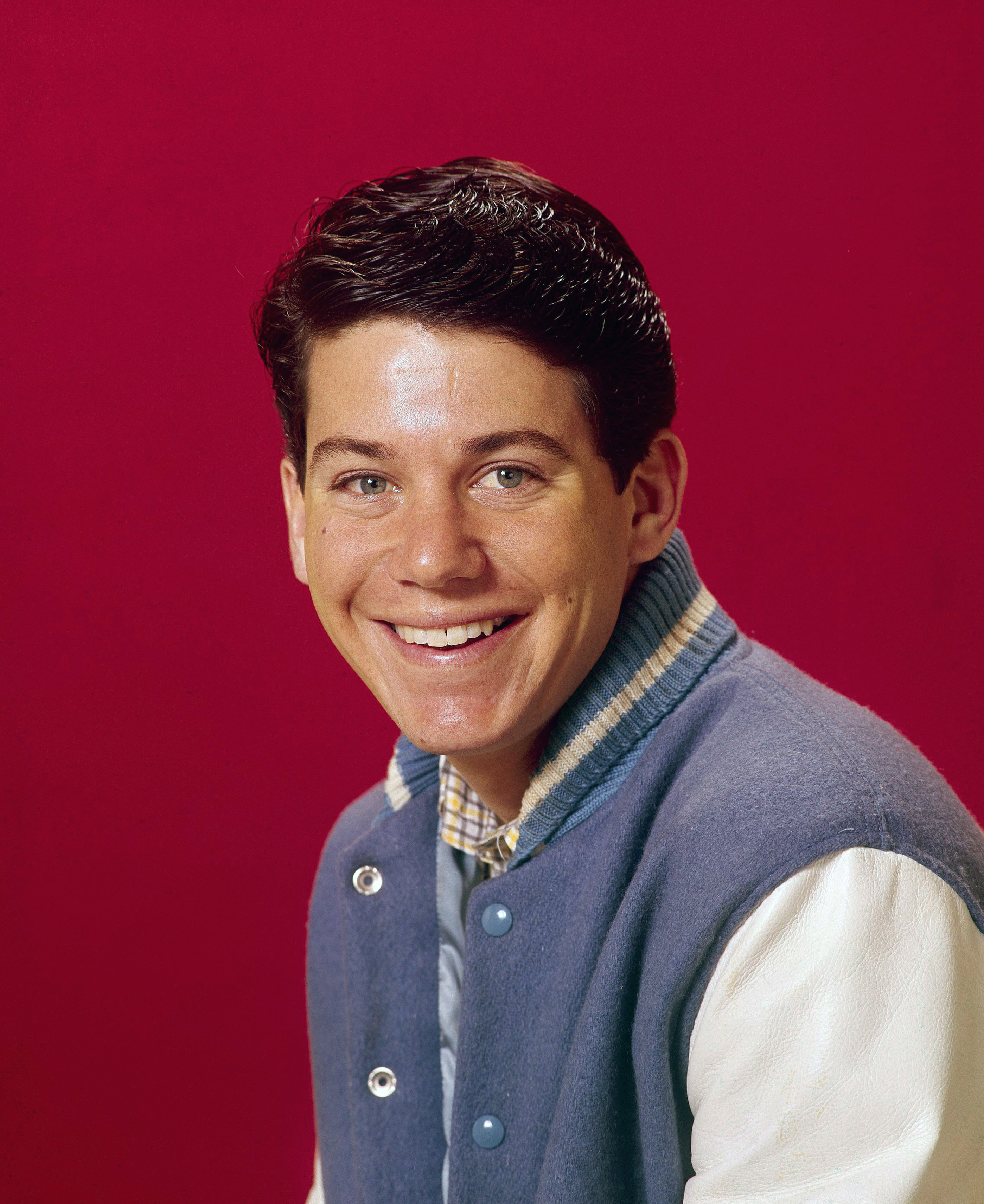
The actor, born on September 25, 1949, in Los Angeles, California, became part of a legendary TV cast that shaped a generation. He gained prominence as one of the stars in ABC’s Happy Days, the beloved sitcom that aired from 1974 to 1984, depicting an idealized vision of life in the ’50s and ’60s.
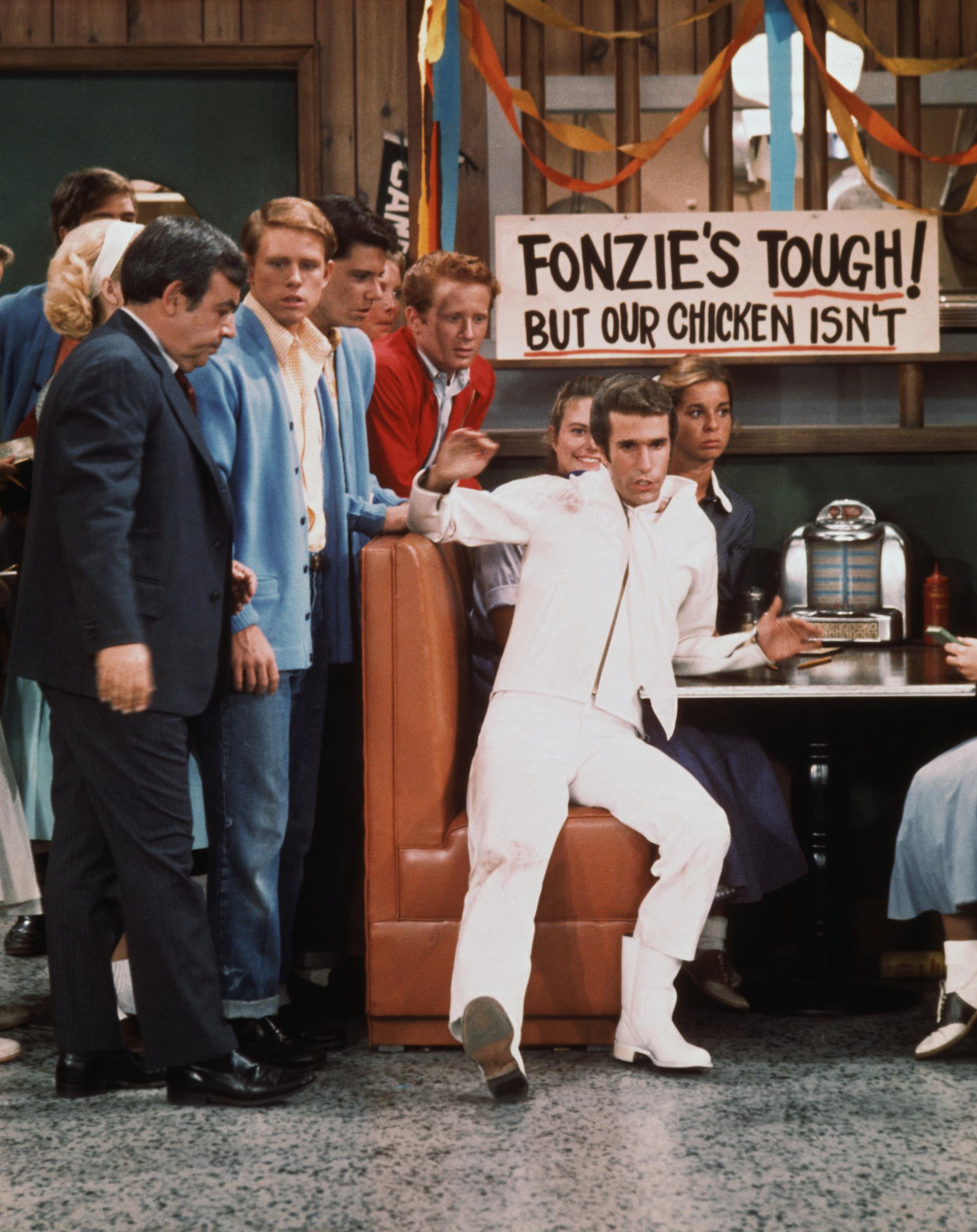
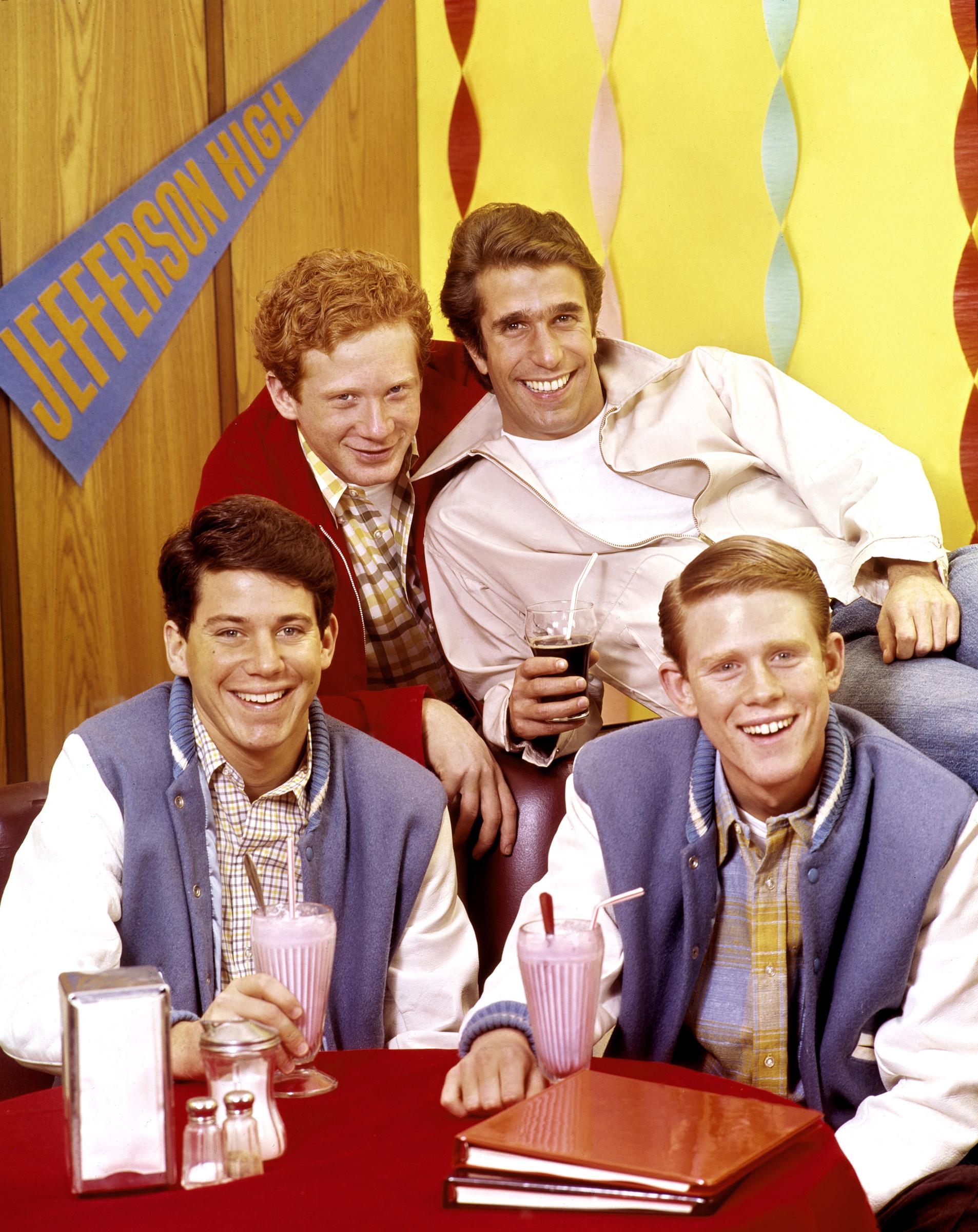
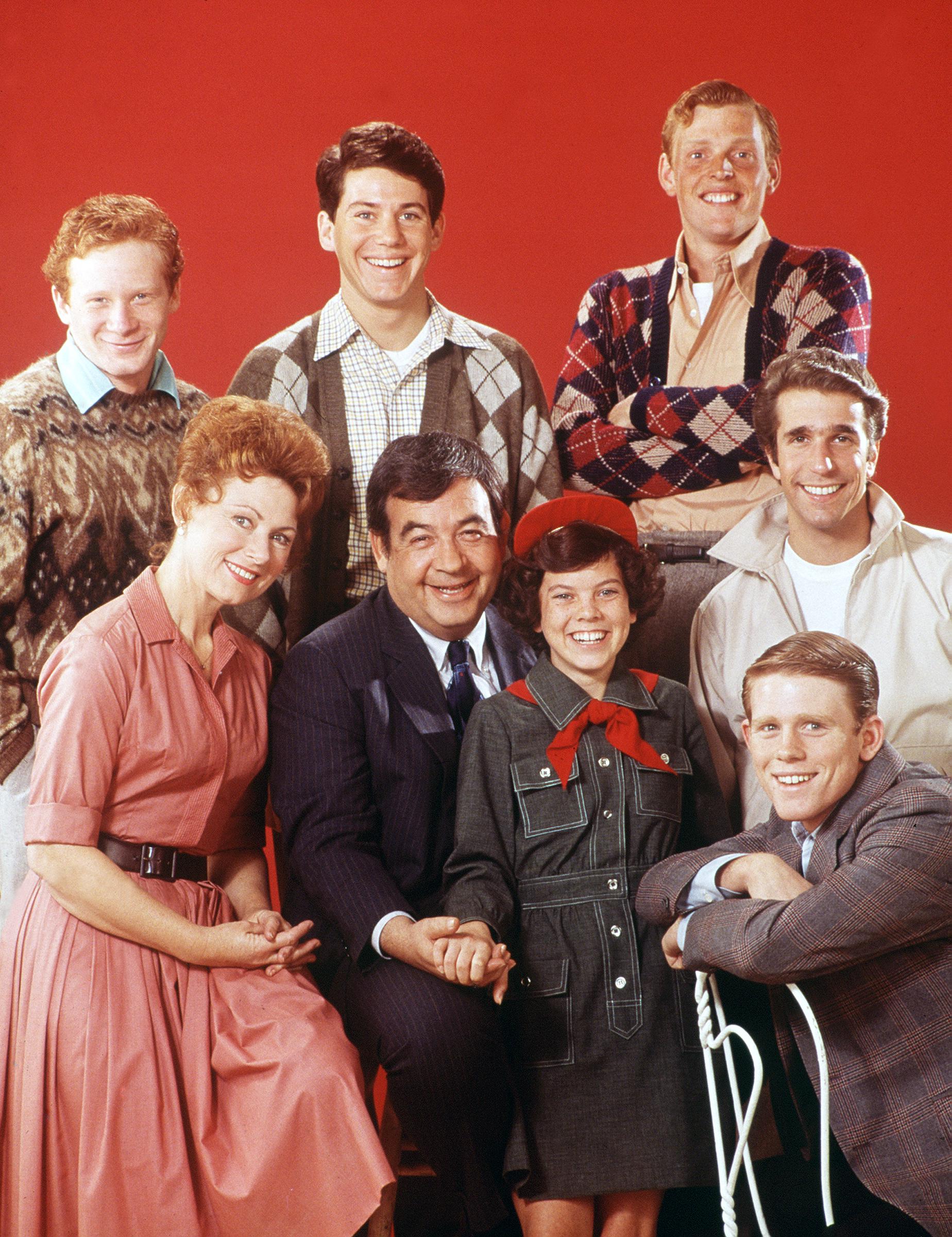
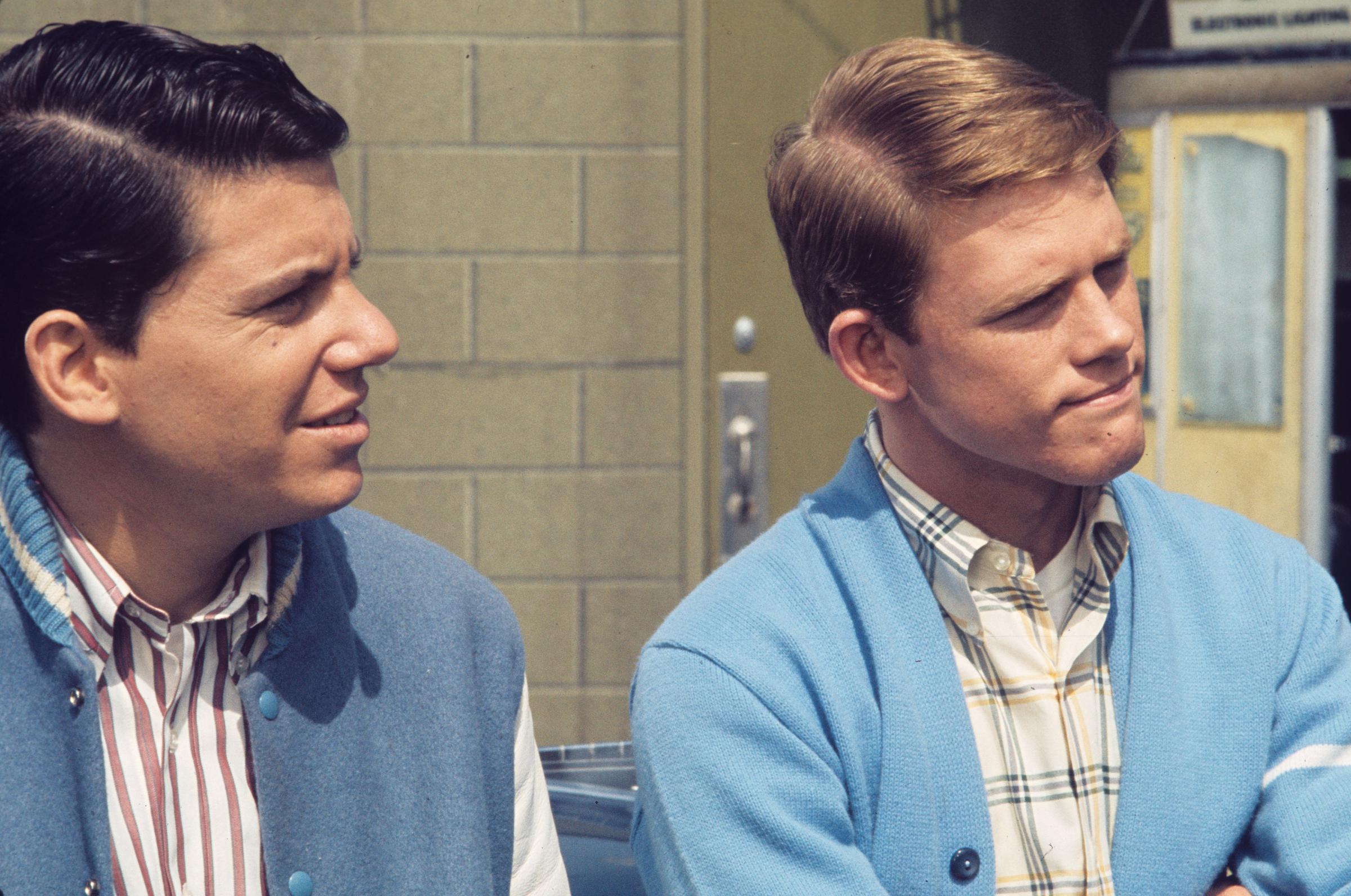
Playing the character Potsie Weber, he became known for his role alongside Ron Howard as Richie, Donny Most as Ralph Malph, Henry Winkler as Arthur ‘The Fonz’ Fonzarelli, Tom Bosley as Howard ‘Mr. C’ Cunningham, and Marion Ross as Marion ‘Mrs. C’ Cunningham. This performance made him a household figure.
Getting the role was not easy for him. He revealed in an interview with Smashing Interviews Magazine that after a last-minute audition arranged by his agent, he initially secured the part, only for the pilot to not be picked up. Following the success of American Graffiti, a new pilot was created a year later, prompting him to re-audition.
He reminisced, ‘I faced a month of uncertainty waiting to hear back after a screen test with many actors. Hundreds auditioned for Potsie’s role.’
This uncertainty ultimately paved the way for a career marked by one of the most iconic sitcoms of that time.
Despite the immense popularity of Happy Days, Williams realized early on that acting wouldn’t define his entire career.
He shared, ‘I understood from the beginning that acting wouldn’t be my lifelong pursuit. I started creating and producing shows, and it was Ron Howard who encouraged me to pursue directing. I became involved in projects I had conceptualized since directors weren’t willing to take a chance on me at first.’
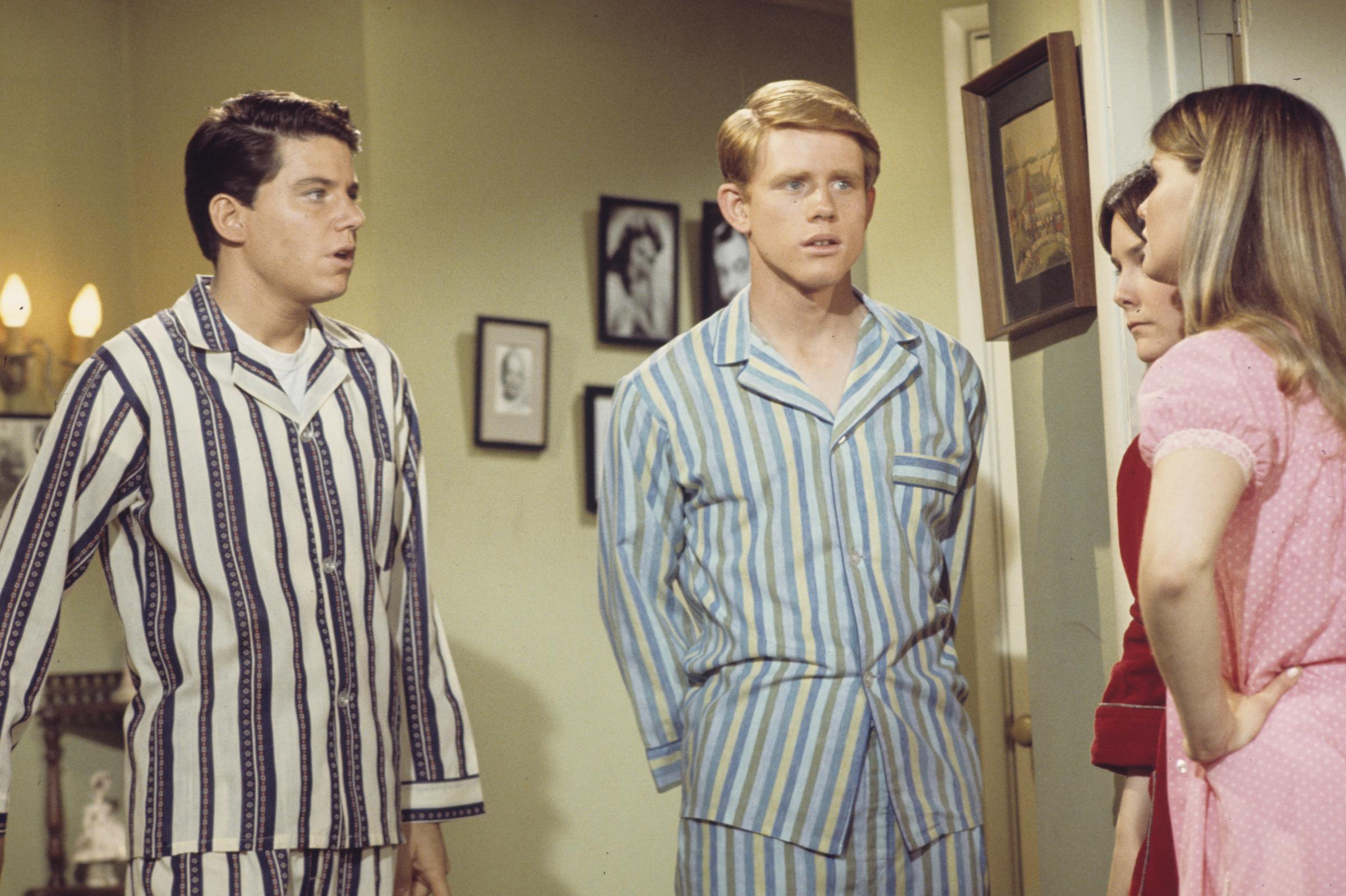
This actor is Anson Williams, who took Howard’s advice to heart, which led him to a significant directing career starting in 1985. He directed episodes for many series, including Diagnosis Murder, Xena: Warrior Princess, Melrose Place, Beverly Hills, 90210, Star Trek: Deep Space Nine, Star Trek: Voyager, 7th Heaven, Sabrina, the Teenage Witch, Charmed, and Lizzie McGuire.
His directorial work also included the 1990 TV movie Quiet Little Neighborhood, a Perfect Little Murder featuring Teri Garr and Robert Urich, the 1991 film All-American Murder with Christopher Walken and Charlie Schlatter, as well as episodes of New York Undercover, The Pretender, and The Love Boat: The Next Wave.
Williams expressed that while he explored feature films too, television remained his main focus. ‘I’ve had films in the pipeline and even did a project with Chris Walken for HBO, but over 99.9% of my work has been in television.’
Interestingly, Williams wasn’t overly concerned about being typecast after his role on Happy Days. He explained, ‘Honestly, it wasn’t a worry for me because I already had entrepreneurial pursuits, running two national product companies. I wasn’t focused on getting typecast or acting after the show.’
Williams aimed to work in a fulfilling manner, leveraging the opportunities presented to him for future endeavors. He emphasized, ‘I prioritized meaningful work and utilized what I had for new adventures, so I could grow beyond just acting.’
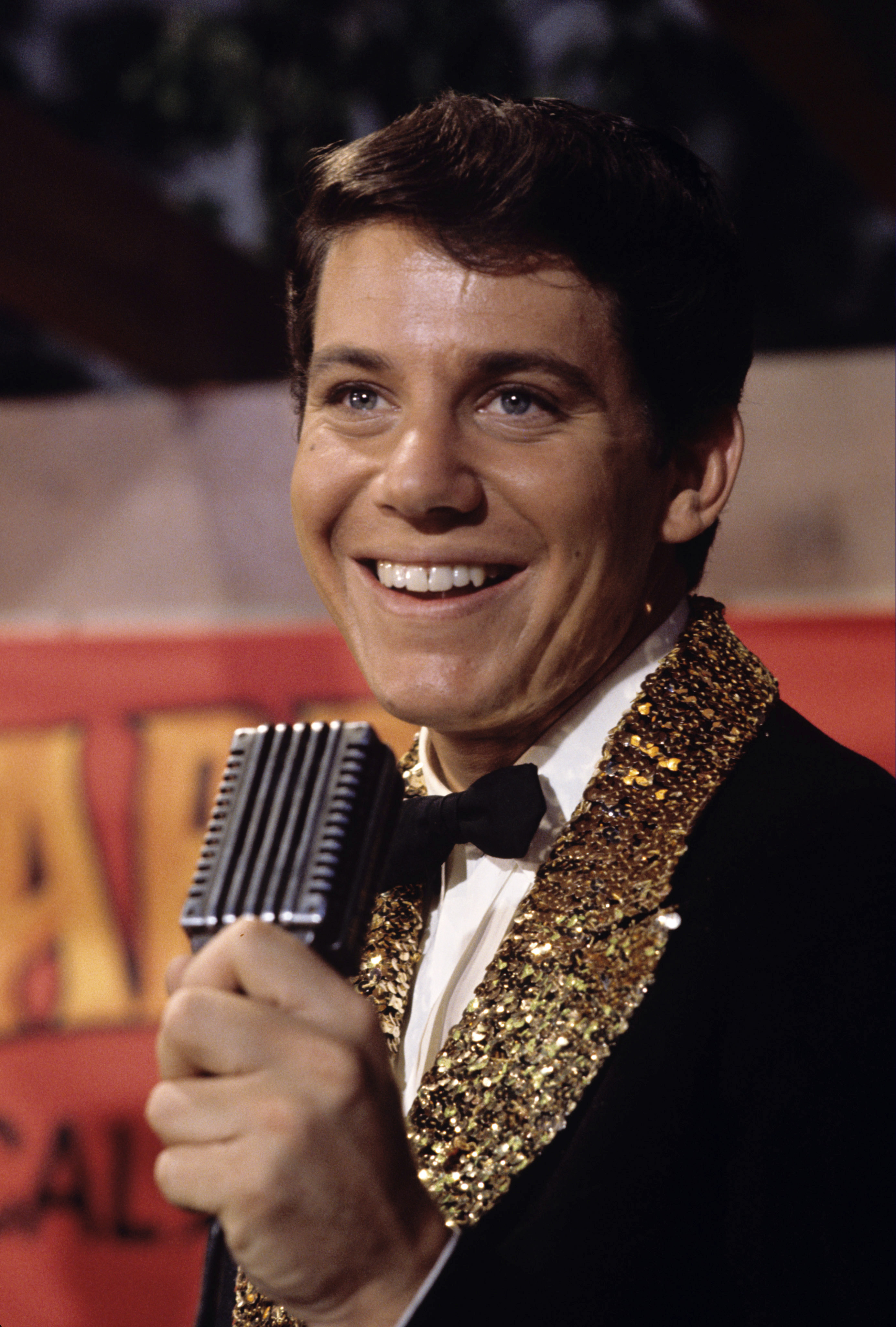
This same adaptability was evident in his musical career as well. He pursued singing for over a decade, performing in Las Vegas and Reno, before recognizing it was time to shift to new paths. ‘I saw limitations and chose to redirect my efforts,’ he reflected.
The tremendous success of Happy Days was noteworthy. Williams recalled that millions tuned in weekly, drawing a parallel between their fame and that of The Beatles.
However, he stressed that such success didn’t inflate the egos of the cast members. ‘We had a massive audience, and we were akin to The Beatles for years, but it didn’t change who we were. We harnessed that popularity positively.’
The cast remained active in the entertainment industry and engaged in charitable work. Williams credited Garry Marshall, the creator of Happy Days, with inspiring that attitude.
Even years after the show concluded, Williams maintained strong ties with his co-stars. When asked about his relationships with them, he warmly replied, ‘Absolutely! We’re all very close.’
His bond with Howard extended beyond their time on Happy Days. Williams fondly recounted that they had collaborated years before and that Howard executive produced his first TV movie, Skyward, which premiered in 1980 and featured Bette Davis and Marion Ross.
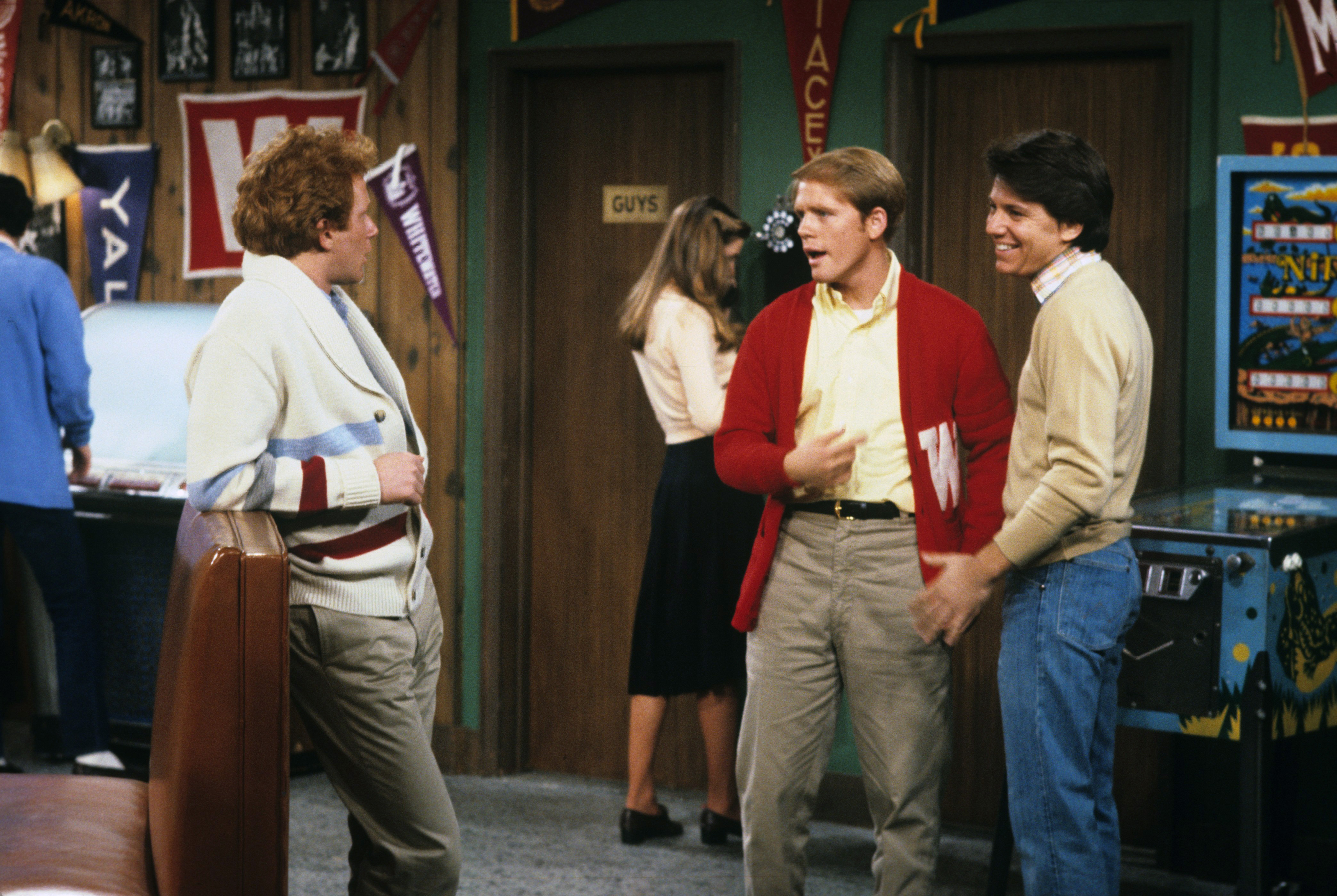
When it comes to Henry Winkler, Williams had only praise. ‘Henry is the kindest, most genuine individual I know. He is so different from The Fonz—an intelligent, talented actor with a remarkable heart and a strong social conscience.’
He noted that although the Happy Days cast had the potential to develop inflated egos due to their fame, they chose to utilize their success positively. This was equally true for Tom Bosley, who portrayed Howard Cunningham.
Reflecting on Bosley’s passing, Williams remembered him as a true father figure. ‘He was always looking out for us younger guys. Tom was more than just a talented actor; he was incredibly kind and supportive.’ Williams even recalled Bosley aiding him with his first mortgage.
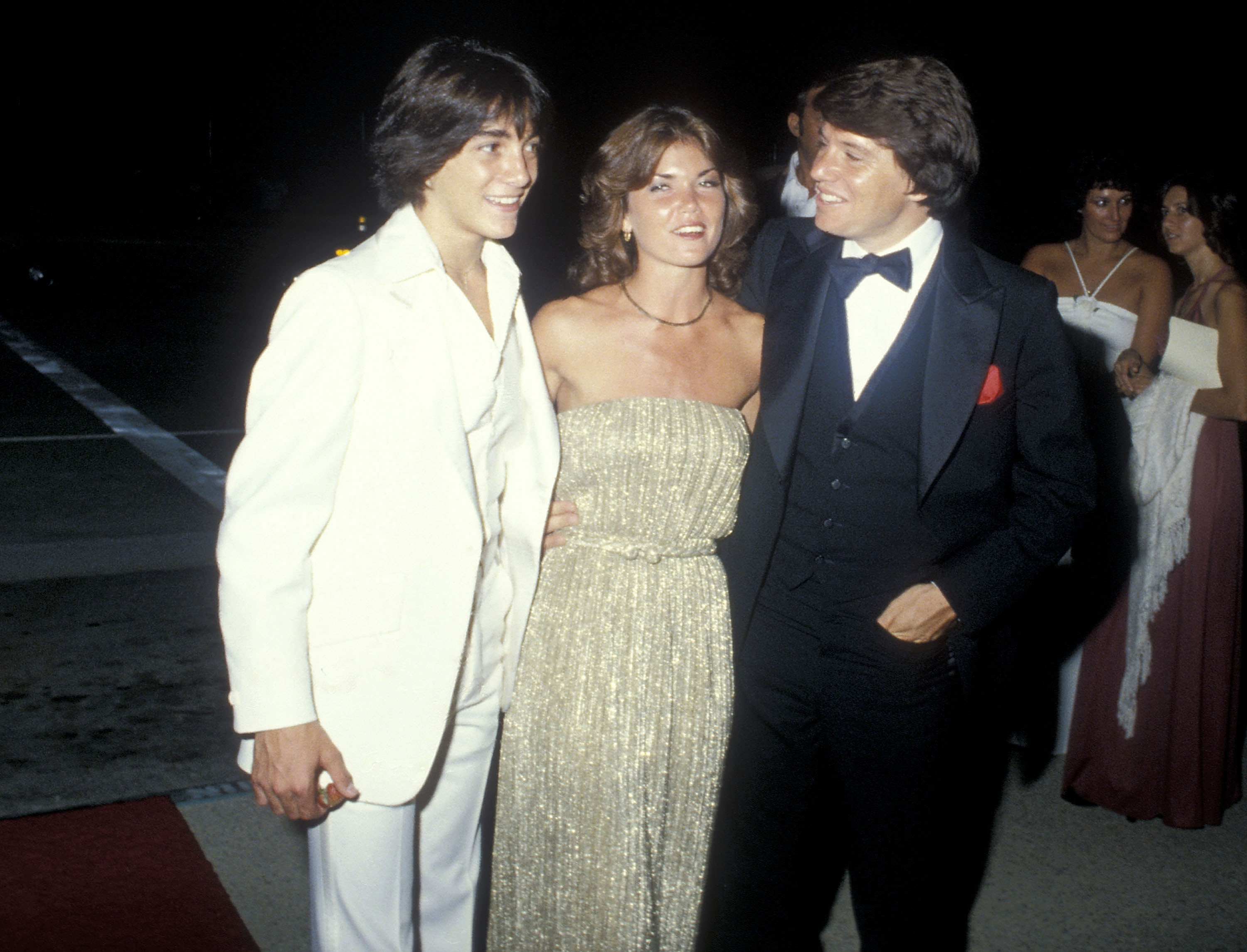
Before embarking on his directing and business ventures, Williams spent significant time as a singer. One of his earliest opportunities was in a commercial, which he described as one of his biggest breaks. Upon seeing an old McDonald’s commercial with him and John Amos on YouTube, he enthusiastically remarked, ‘That was one of my greatest breaks! It was my first chance to earn some money.’
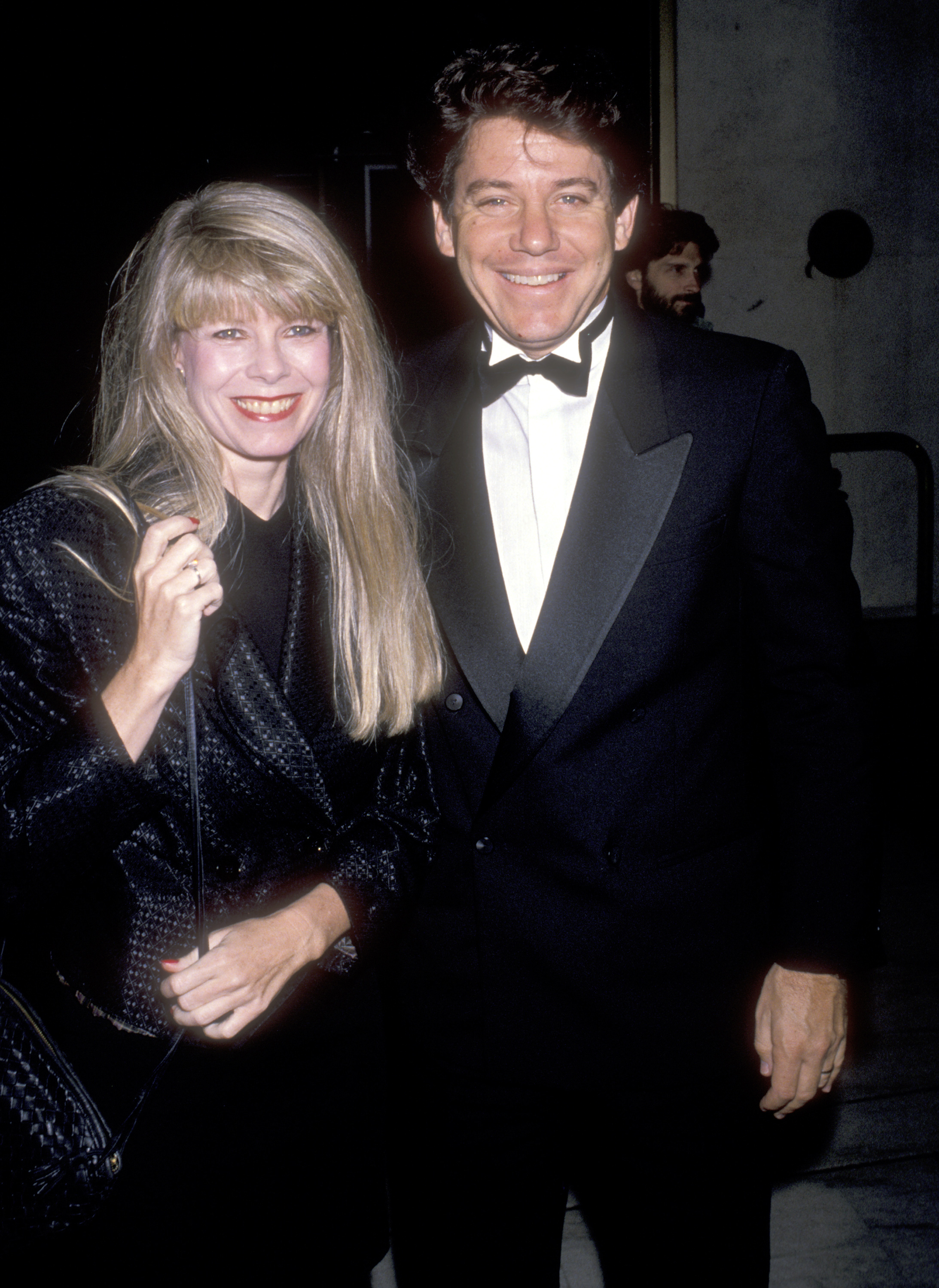
As for another reunion of the Happy Days cast, which took place in 2005, Williams didn’t foresee another gathering. ‘No, I don’t think there will be one. It was enjoyable, though.’
Eventually, Williams transitioned into entrepreneurship, founding two product companies: StarMaker Products and Physicians Prefer. His interest in business was driven by his commitment to women’s health, particularly as the father of five daughters, which made him passionate about addressing health issues affecting women.
One notable product was Cool Flash for the Hot Flash, which Williams described as a natural solution for hot flashes linked to menopause and chemotherapy.
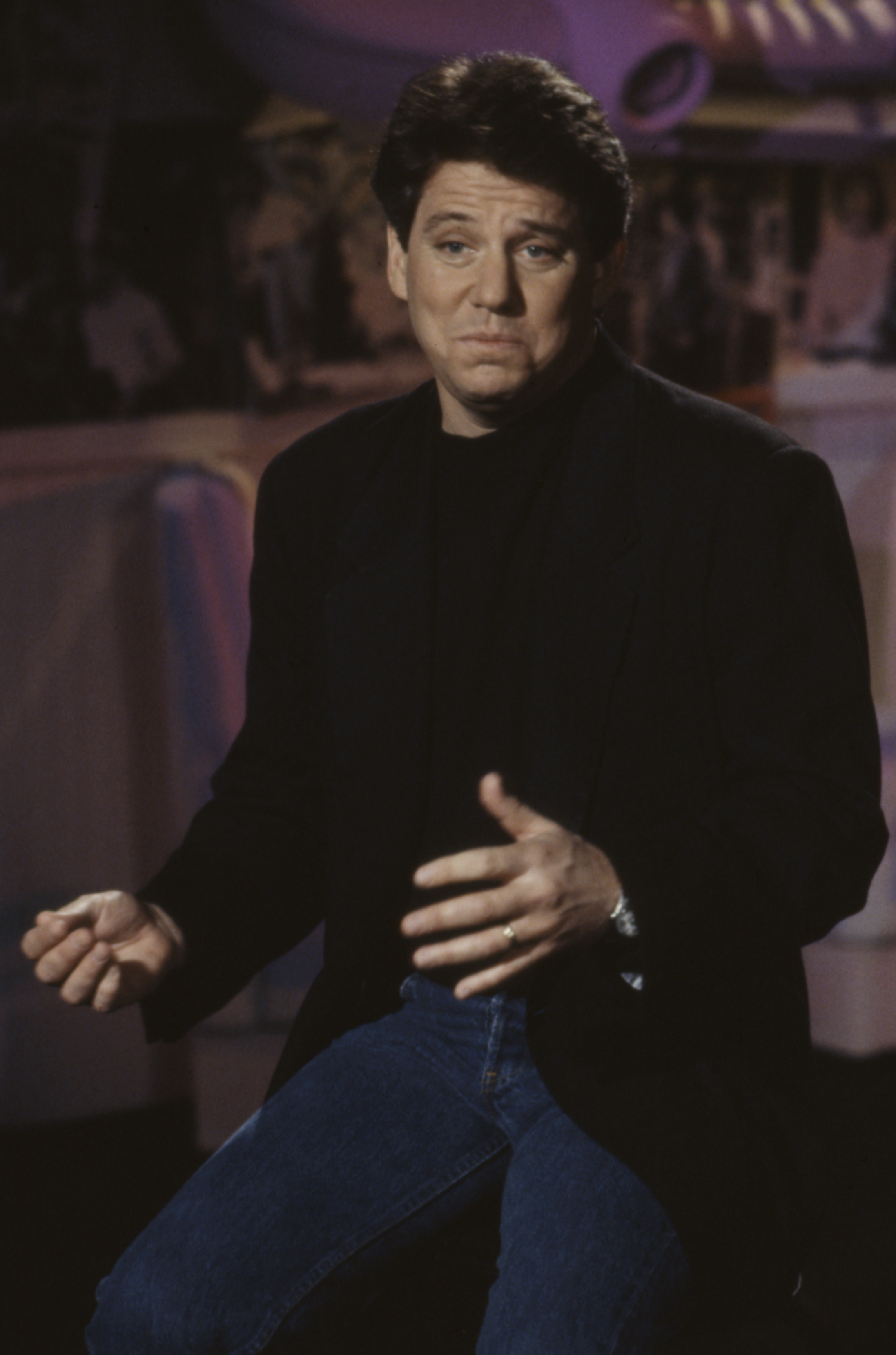
The idea for this product was conceived while he was directing Melrose Place in 2000. He learned about skin-care products from cast members in the makeup trailer, which led him to connect with JoAnna Connell.
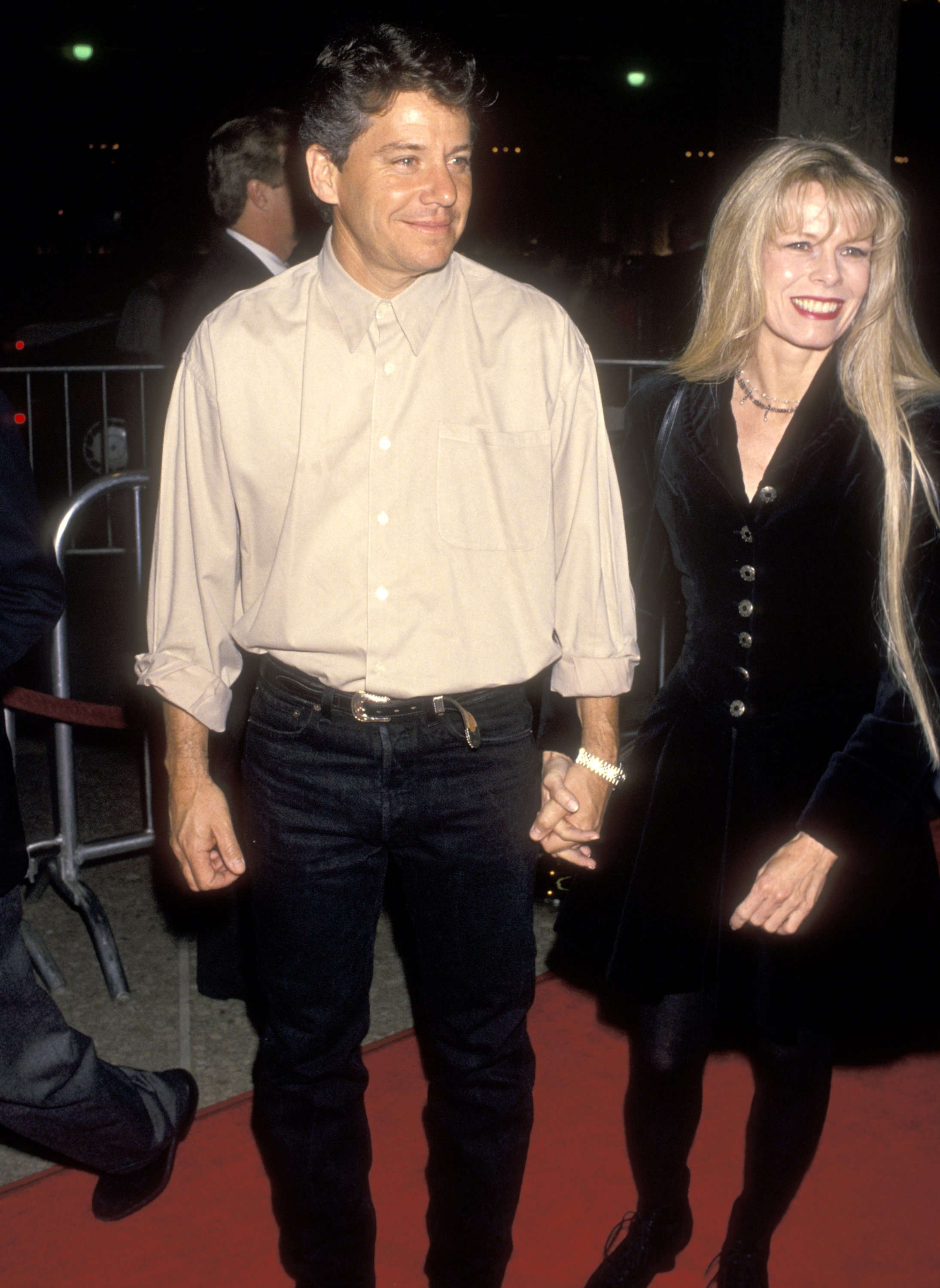
Connell had previously developed skin-care solutions for actors before appearances and had also created products for Baywatch. Williams and his associates transformed this connection into StarMaker Products, which eventually grew into a nationwide brand. ‘We’ve been featured on QVC for eight years now,’ he shared.
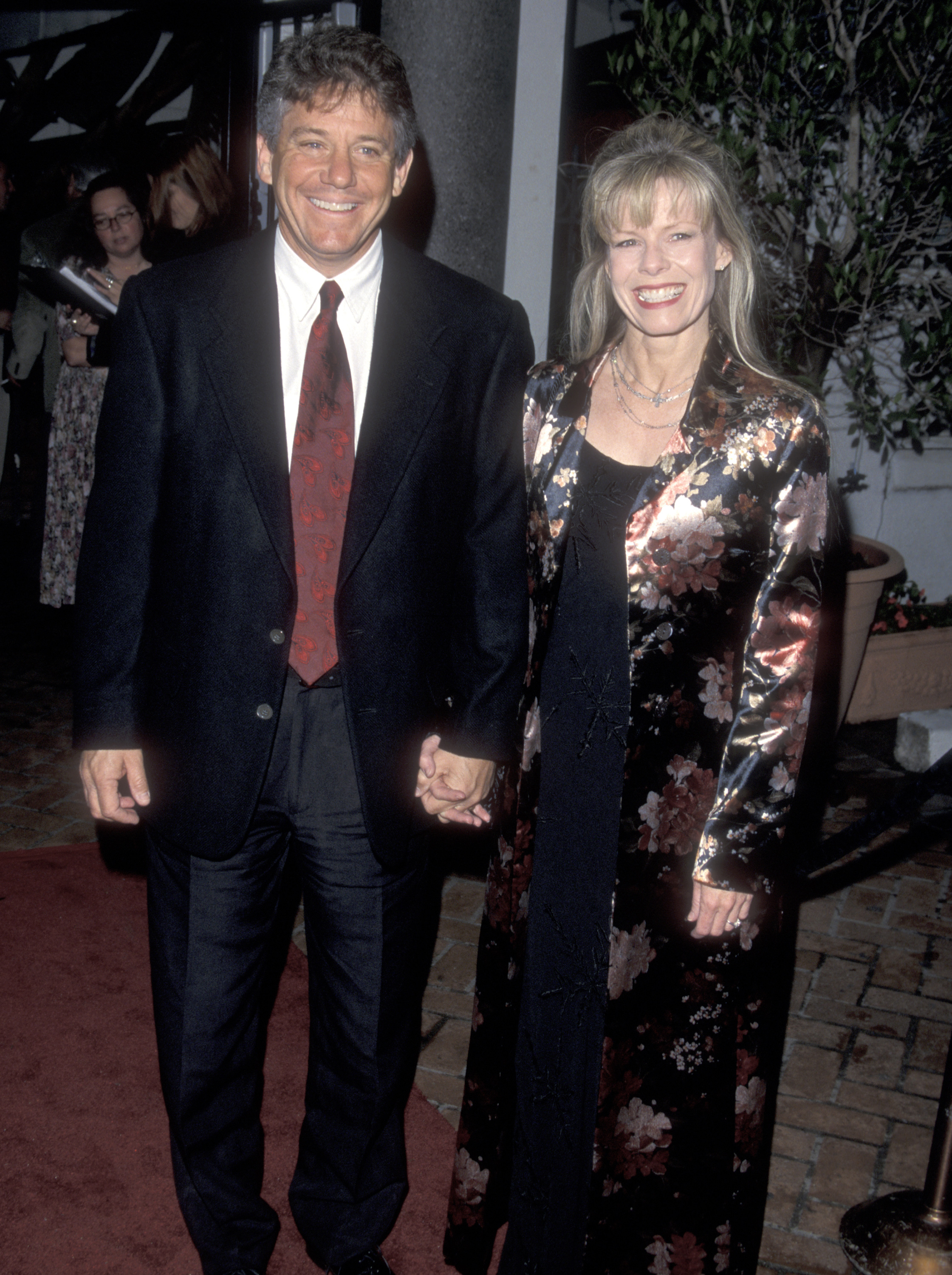
Williams’ dedication to women’s health has personal roots. He explained that his uncle—whom he referred to as his uncle—was Dr. Henry Heimlich, known for the Heimlich Maneuver.
Williams noted that his uncle’s wife, Jane Heimlich, authored What Your Doctor Won’t Tell You, which fostered his longstanding interest in alternative medicine.
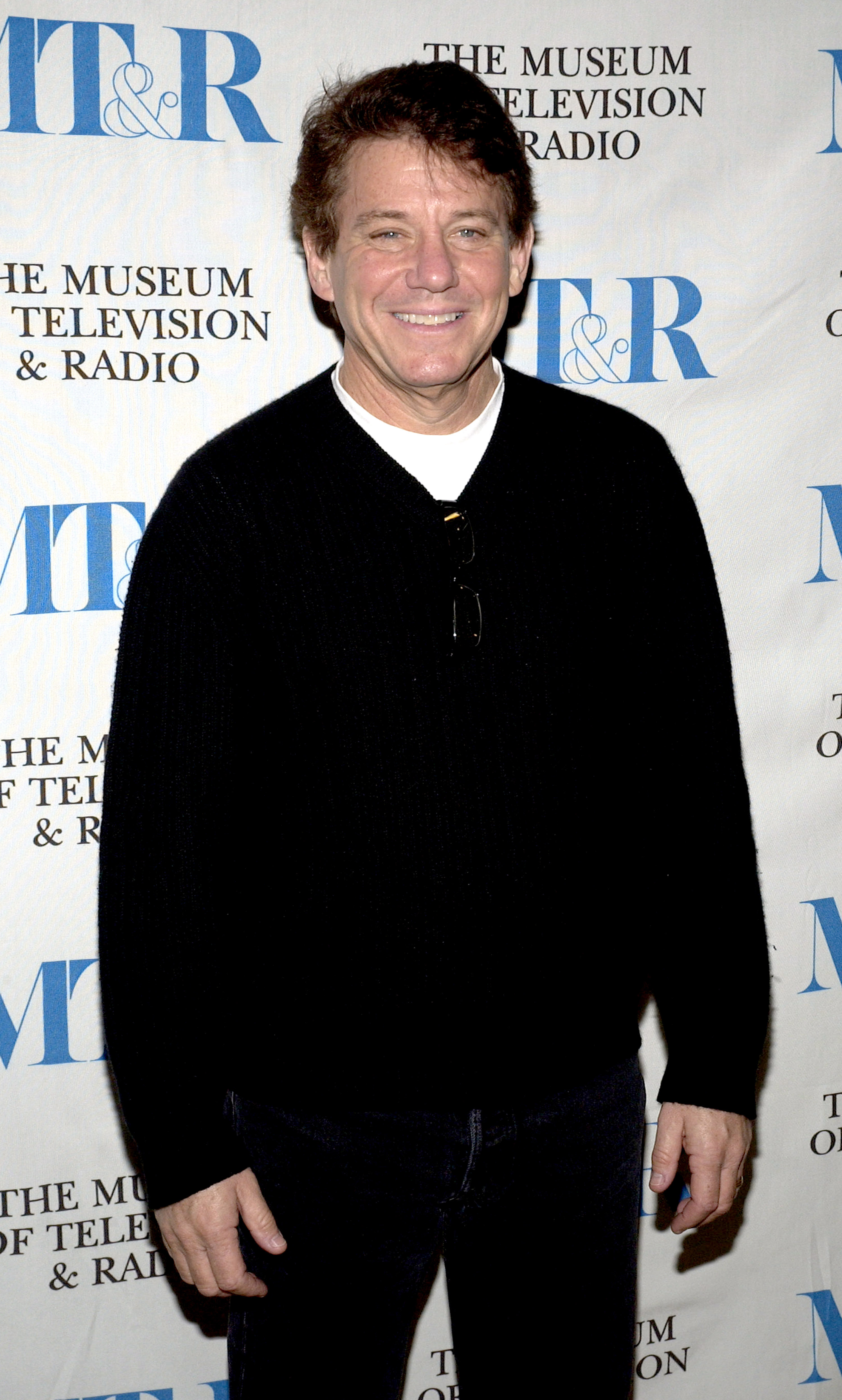
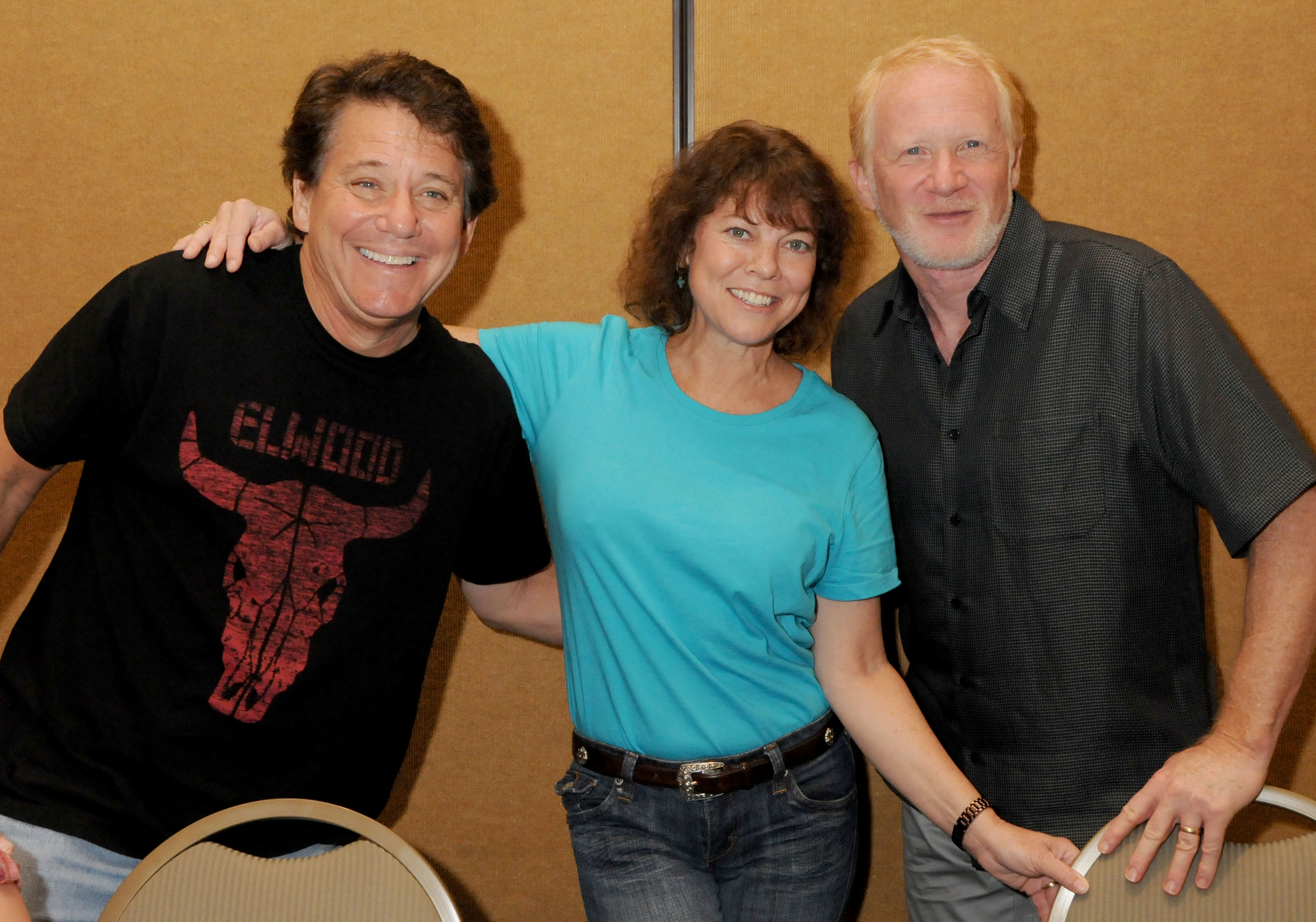
Williams and his business partner eventually collaborated with doctors interested in developing clinically validated alternative products due to concerns over hormonal treatments.
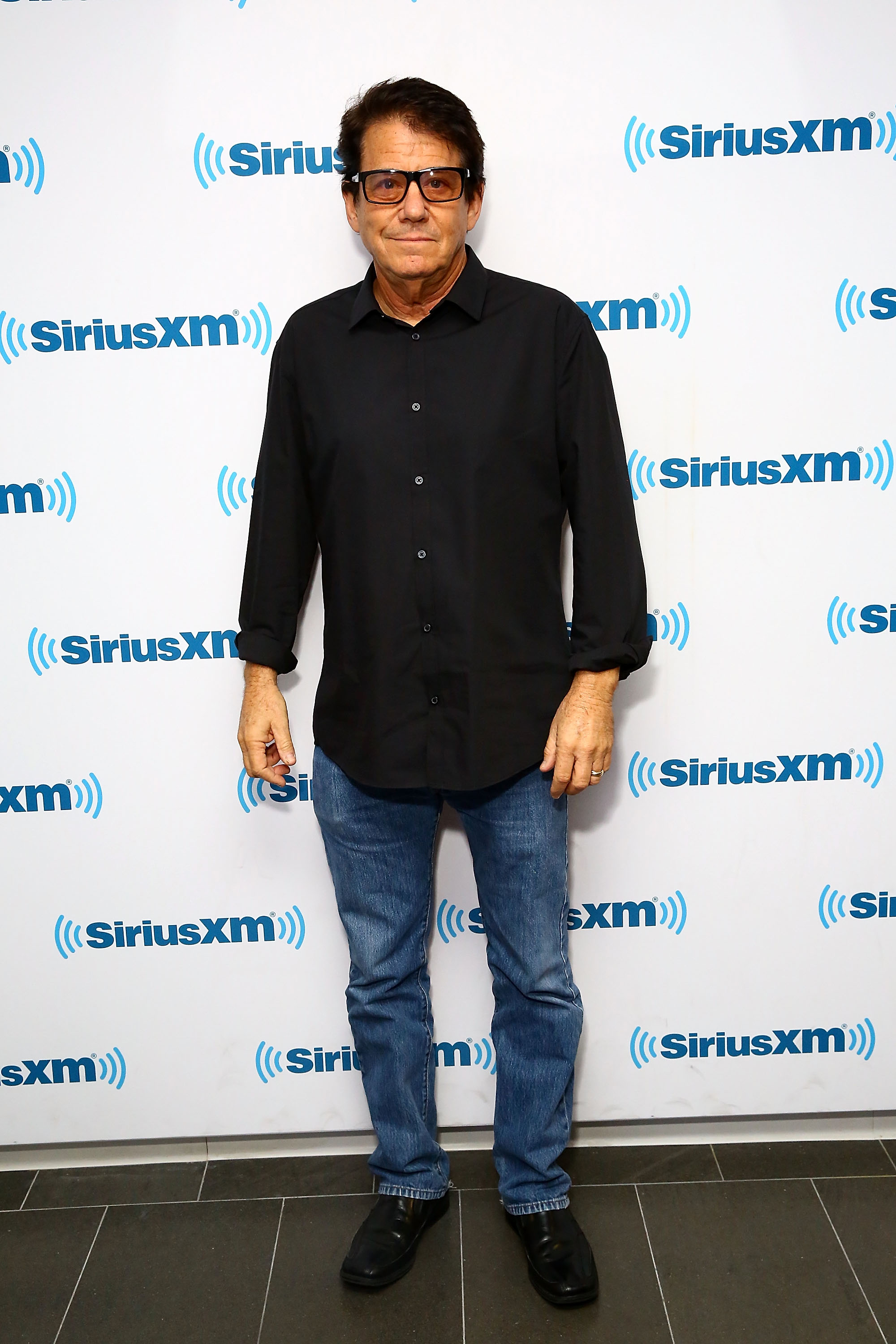
While managing his directing career and businesses, Williams was also a devoted father to five daughters. At the time of the interview, he had two 8-year-olds, a 3-year-old, a 12-year-old, and a 21-year-old.
Despite their father’s long history in Hollywood, he noted that none showed a keen interest in pursuing acting. ‘I would say no. Each of them is unique, but I doubt any of them possess a passion for show business, and I don’t pressure them. I’m not sure they’ve even seen a full episode of Happy Days.’
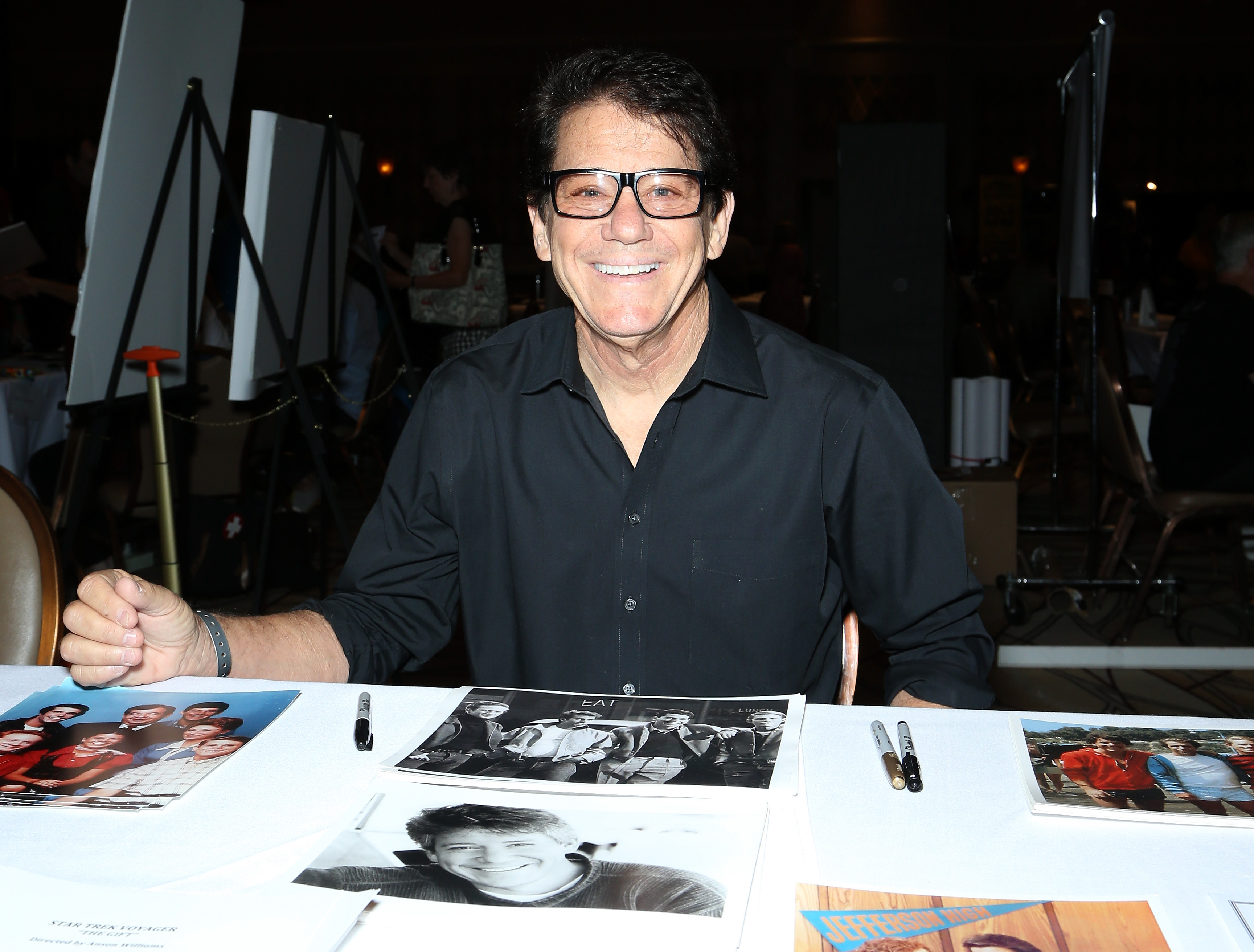
For Williams, fatherhood meant prioritizing family time. He stated, ‘When I’m with my kids, it’s about them, not me. It’s their time.’ He characterized show business as a challenging path for young individuals. ‘While writing may be simpler, acting is a tough journey.’
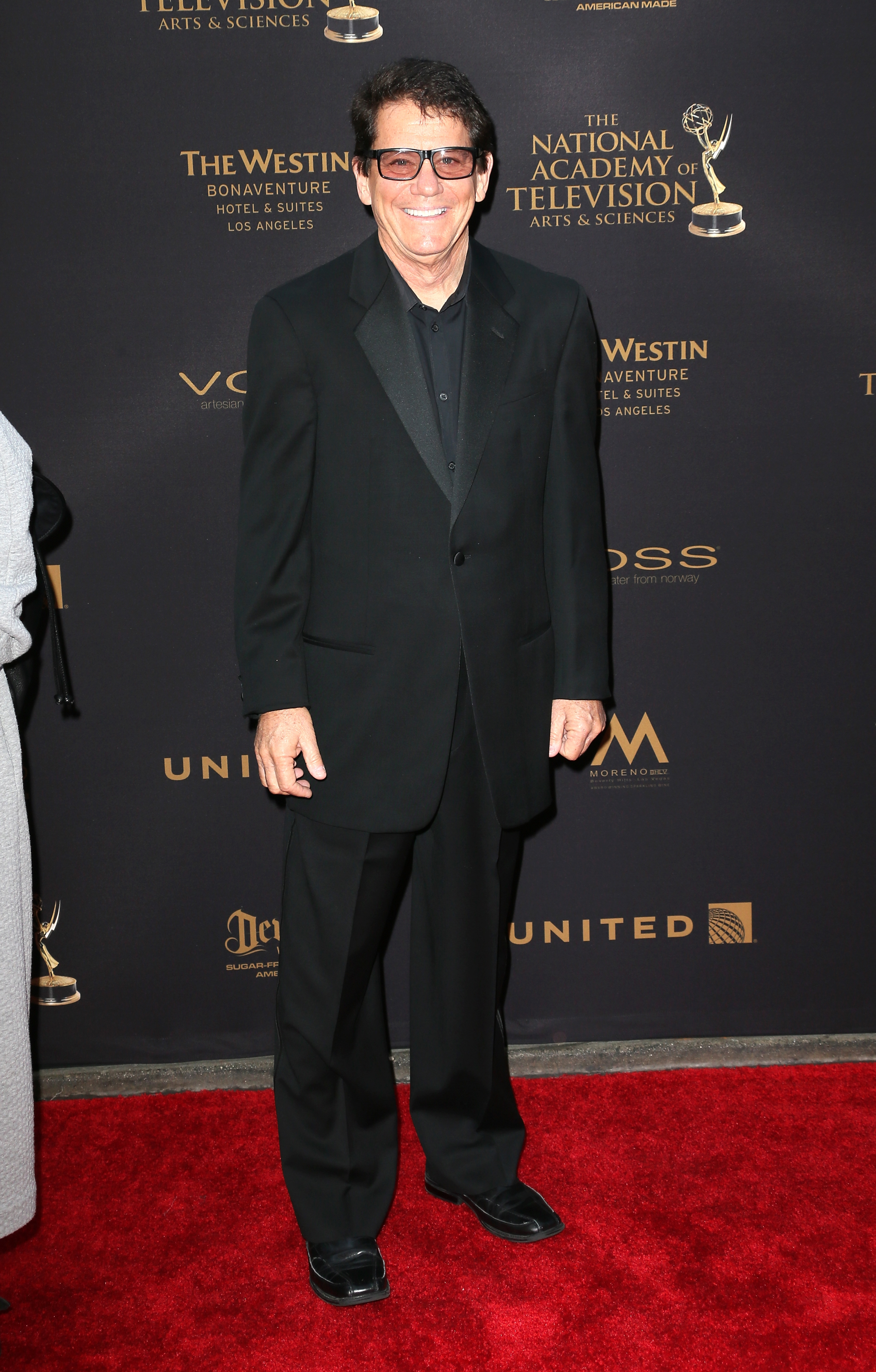
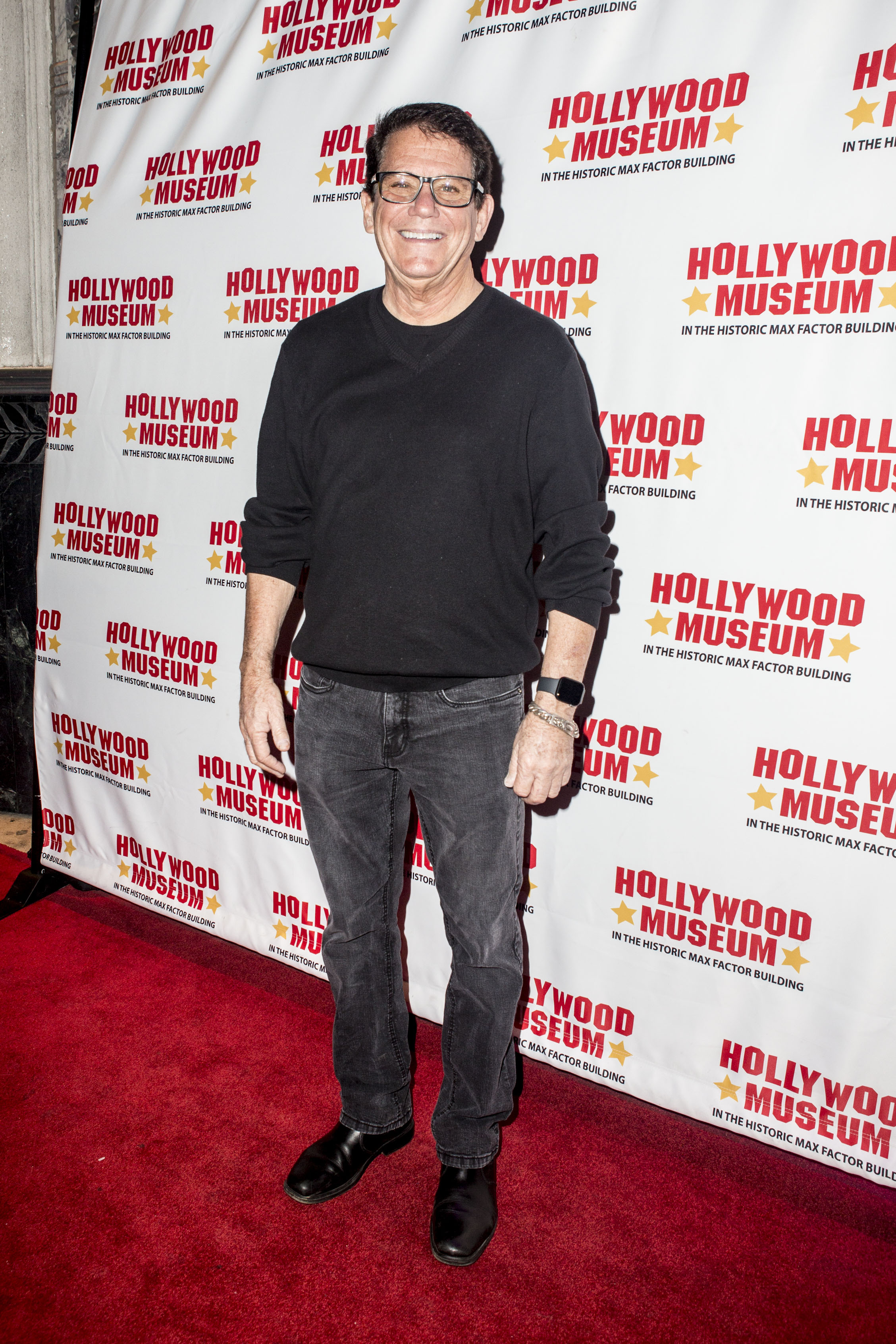
He expressed strong concerns regarding the challenges faced by child actors, citing numerous heart-wrenching stories of young performers and inadequate parenting. He saw Ron Howard as an exception, crediting his parents for providing a balanced upbringing.
He remarked, ‘Most child actors struggle due to questionable parenting. Ron Howard had healthy support, with parents who maintained a balanced lifestyle. Too often, that’s not the case, leading to extreme highs and lows. I wouldn’t recommend it.’
Years spent on Happy Days also shaped Williams’ perspectives on television’s societal impact. When discussing The Secret Life of the American Teenager, which he was directing, he mentioned joining the production in its early episodes.
They reinvested profits from StarMaker into their initiatives. The first product they developed was Cool Flash for the Hot Flash, designed as a drug-free, hormone-free topical gel. Williams highlighted its application on specific areas to combat hot flashes effectively.
He directed nearly half of the show’s episodes, while Keith Truesdell handled the rest. Williams commended the cast’s professionalism, highlighting their preparedness and discipline which contributed to efficient shooting schedules.
Despite the controversy surrounding certain storylines, Williams defended the show’s portrayal of teenage issues. He believed the narratives encouraged open dialogue between parents and children, rather than glamorizing teenage pregnancies.
He noted that the product gained immense popularity and could be found at Costco and drugstore.com. It proved beneficial for chemotherapy patients, as hot flashes are a common side effect of treatment.
He dismissed any notions that the show misled young viewers, emphasizing that its narratives aimed to foster constructive conversations and encourage responsible decision-making.
Williams acknowledged that Happy Days was a product of a significantly different television landscape. While many topics were seldom explored openly back then, he recalled that the sitcom did push some boundaries.
He highlighted shows like All in the Family and Maude as pioneers in addressing sensitive social issues, helping to bring them into the mainstream.
Williams remembered that the first season of Happy Days tackled racial issues, including a plot about neighbors seeking to marry at the Cunningham residence.
The television industry has transformed significantly since the era of Happy Days. During his time on the show, viewers had limited channel choices, whereas now the television landscape offers a vast array of options.
Williams believed this expansion of media has altered the culture surrounding fame. He felt that the relentless chase for attention has made society more focused on fleeting fame rather than meaningful achievements.
He also expressed concerns about the current celebrity news cycle, particularly the role of photographers and media in generating artificial attention. In his view, sensational stories often attract more interest due to audience consumption patterns.
All these themes — staying active, embracing change, refusing to be defined by age, and continuously seeking new challenges — make his recent birthday message especially relevant.
In his birthday post at 77, Williams addressed Baby Boomers directly: ‘A reminder for every Boomer: NEVER let anyone diminish us because of our age. I’m 77 and feel more creative, healthier, busier, more curious, and more alive than I did at 40.’
He attributed his current well-being to a blend of love, adventure, kindness, and self-discipline. ‘Why? Thanks to a partner who sees my potential, good loving, kindness, adventure, and a bit of discipline — like eating well, staying active, and caring for myself. There are still mountains worth climbing.’
He made his key message clear: ‘And I absolutely refuse to let anyone else determine my value.’ Williams concluded with a statement that resonates with his journey post-Happy Days: ‘We didn’t come this far to fade into obscurity. We’ve come this far to become unstoppable. We’re not slowing down; we’re still winning — and our best hand hasn’t even been played yet.’
After an accomplished career spanning from Happy Days to directing, singing, entrepreneurship, advocating for women’s health, and fatherhood, Williams continues to talk about new mountains to climb.
Perhaps the most telling aspect of his birthday message is his outlook; he doesn’t seem to dwell on past achievements but rather seems poised for future endeavors.