Bill Oddie: The comedian who embraced the outdoors as an escape from mental health struggles
Bill Oddie, a prominent comedian and naturalist from Britain, has passed away at 85.
Emerging from the renowned Cambridge Footlights, a breeding ground for British comedy since the post-war period, he gained popularity during the 1970s as part of the hilarious trio known as The Goodies.
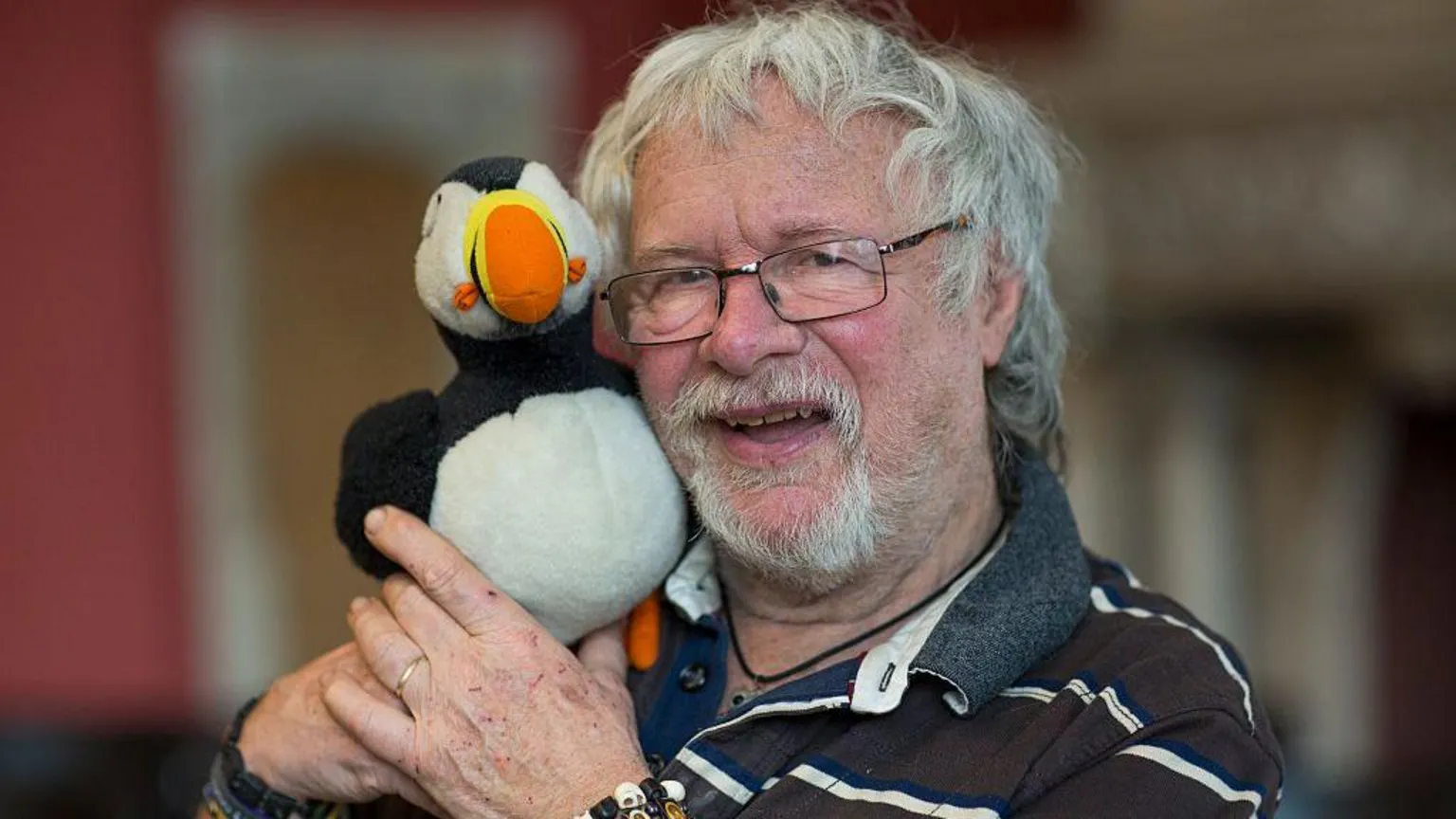
Oddie’s passion for bird watching spanned his entire life, leading him to host various nature-related television programs, notably the BBC’s Springwatch.
However, he faced significant challenges due to recurring severe depression, which resulted in multiple stays in psychiatric facilities. During his treatment, he suffered from critical lithium poisoning.
William Edgar Oddie was born on July 7, 1941, in Rochdale, Lancashire.
With both parents having a history in the mill industry, Oddie’s father, Harry, was an accountant who achieved success at the Midlands Electricity Board after relocating to Birmingham.
Oddie later reflected that his father’s strong work ethic significantly shaped his own career; however, he had limited interaction with his mother, Lillian.
Lillian struggled with schizophrenia, spending considerable time in hospitals, and her depression stemmed from the early deaths of Oddie’s two older siblings.
As a young boy, he developed an interest in bird watching, with one of his early accounts documented in a 1956 publication by the West Midlands Bird Club.
After finishing at King Edward’s School, where he was an avid rugby player, he attended Pembroke College, Cambridge to study English.
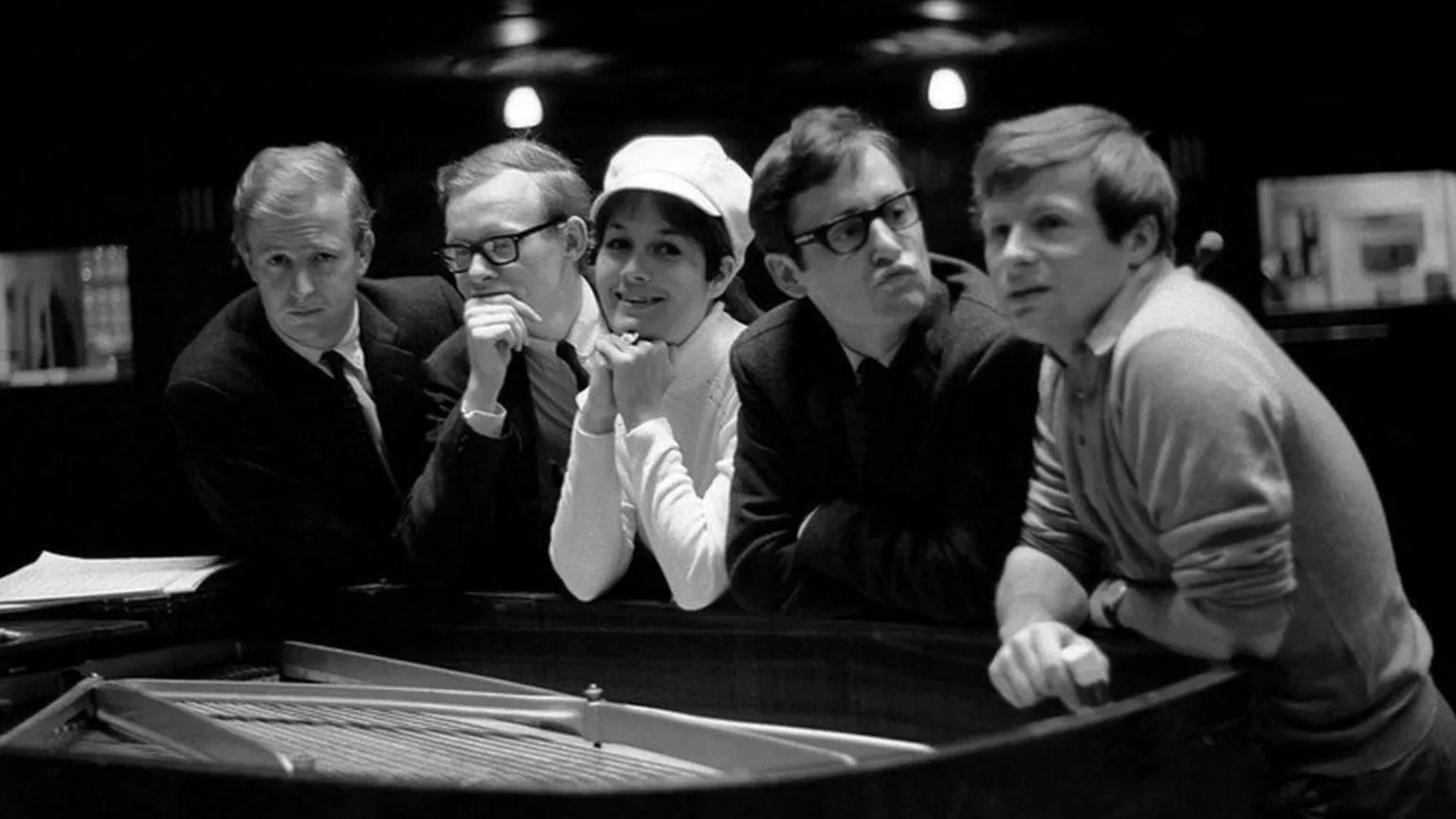
During his time at Cambridge, he became a member of the Footlights Club alongside Graeme Garden and Tim Brooke-Taylor.
Oddie contributed to and performed in the acclaimed 1964 revue, A Clump of Plinths, which enjoyed success at the Edinburgh Festival before traveling to London’s West End and even to New Zealand and the United States.
While at Cambridge, he also penned material for David Frost’s satirical television show, That Was the Week That Was.
He nostalgically recalled a humorous poem he crafted for comedian Lance Percival, styled similarly to The Ballad of Eskimo Nell, centering around Camberley Kate, who charmed dustbin men in Kent.
After graduating, he joined the cast of the BBC radio program, I’m Sorry I’ll Read That Again, which featured many performers from Footlights.
Oddie also pursued songwriting, contributing numerous songs to the show, some of which were released on the 1967 album, Distinctly Oddie.
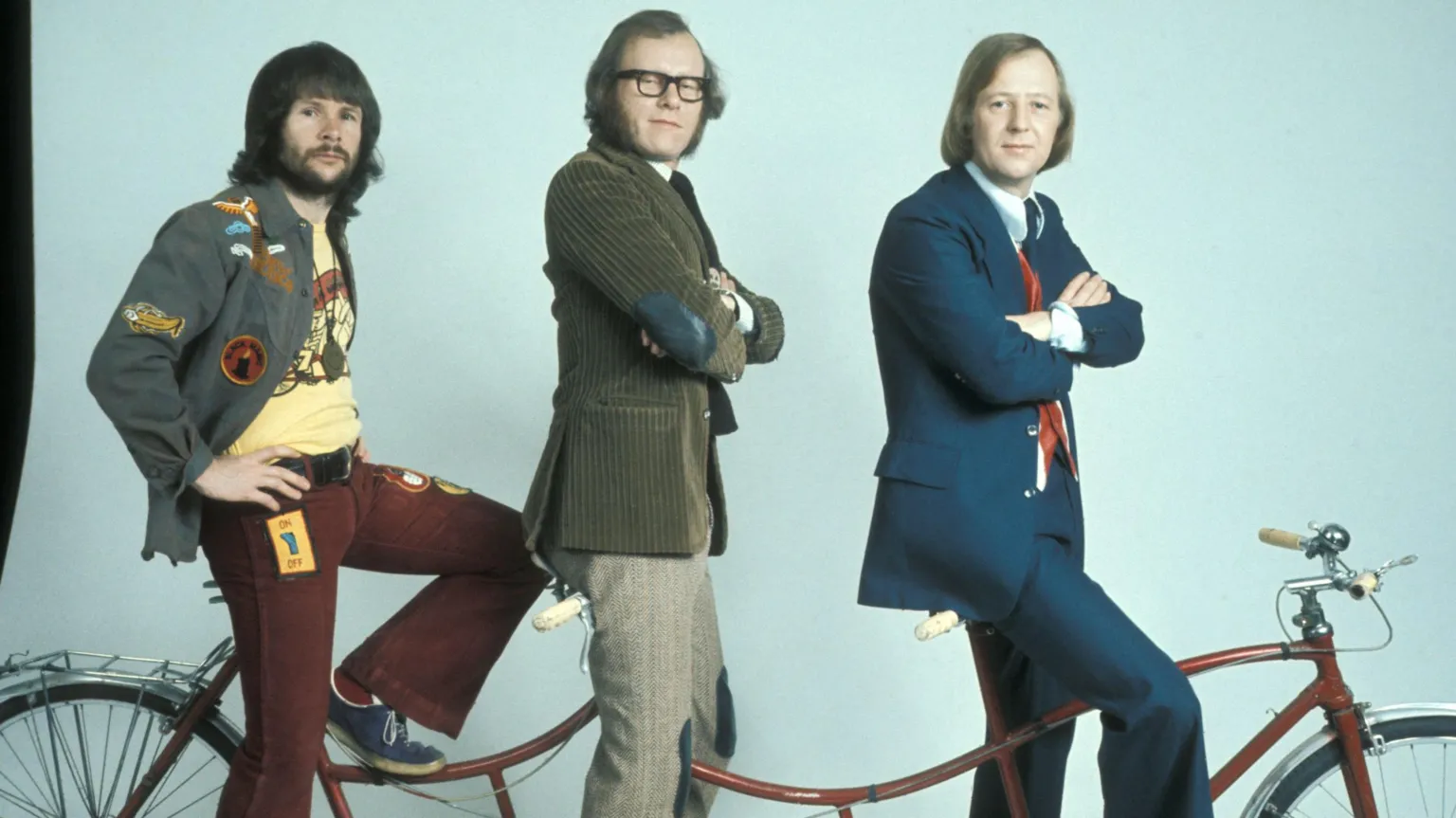
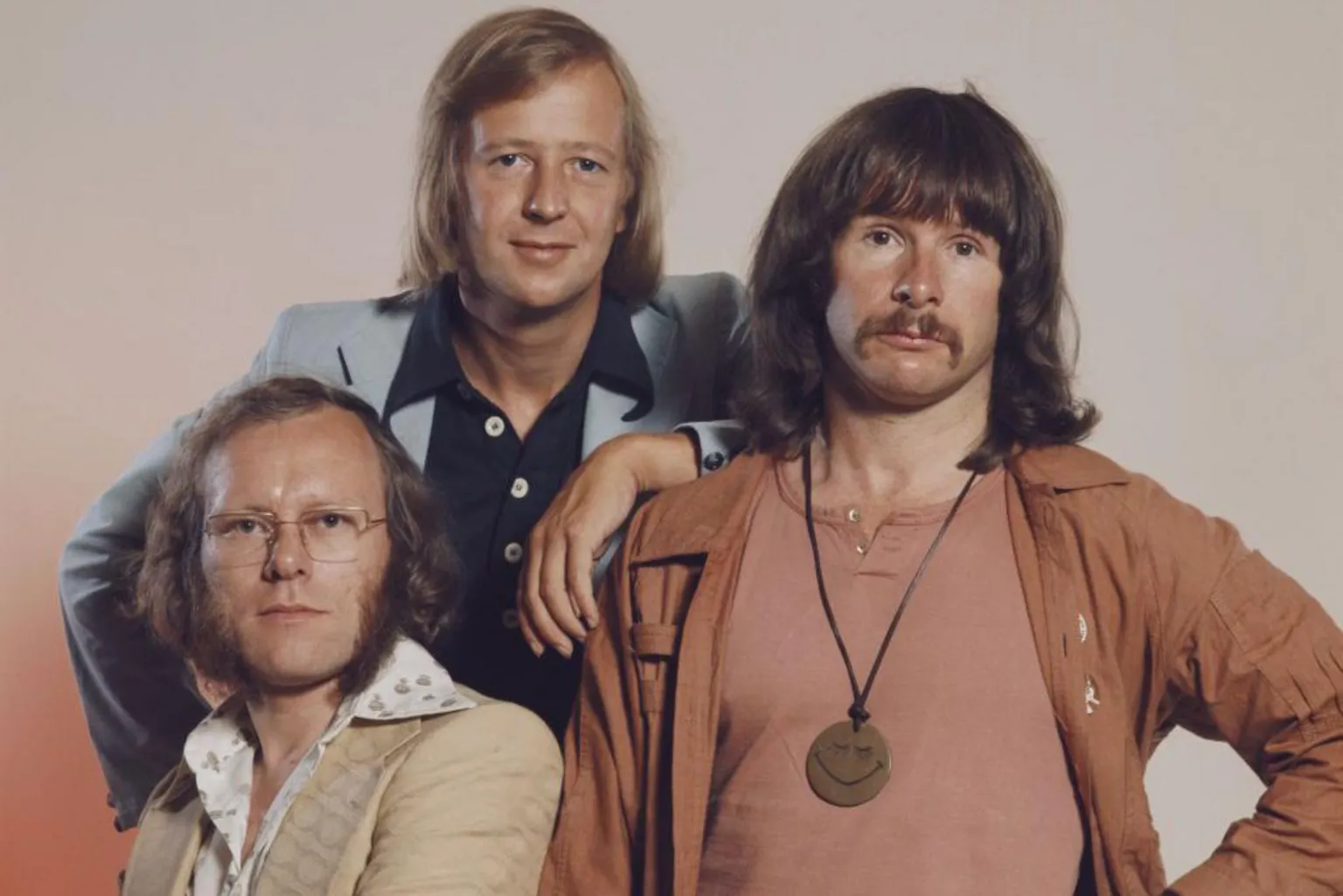
While some former Footlights members formed Monty Python, Oddie teamed up with Graeme Garden and Tim Brooke-Taylor to create The Goodies.
The show presented three characters on a unique ‘trandem’ bicycle, offering their services with the motto, ‘We Do Anything, Anywhere, Anytime.’
This premise led to a series of humorous scenarios, slapstick comedy, and rudimentary special effects, primarily using sped-up footage.
One unforgettable episode was Kitten Kong, featuring a gigantic cat that caused chaos by toppling the Post Office Tower. This episode later secured a Silver Rose at the Montreux TV Festival in 1972.
Oddie wrote several comedic songs for the series, often parodying popular music of the time. Among these, Funky Gibbon ranked number four on the UK charts and was performed on Top of the Pops.
Decades later, the song was re-released, with proceeds going to support efforts to protect the habitat of the primates.
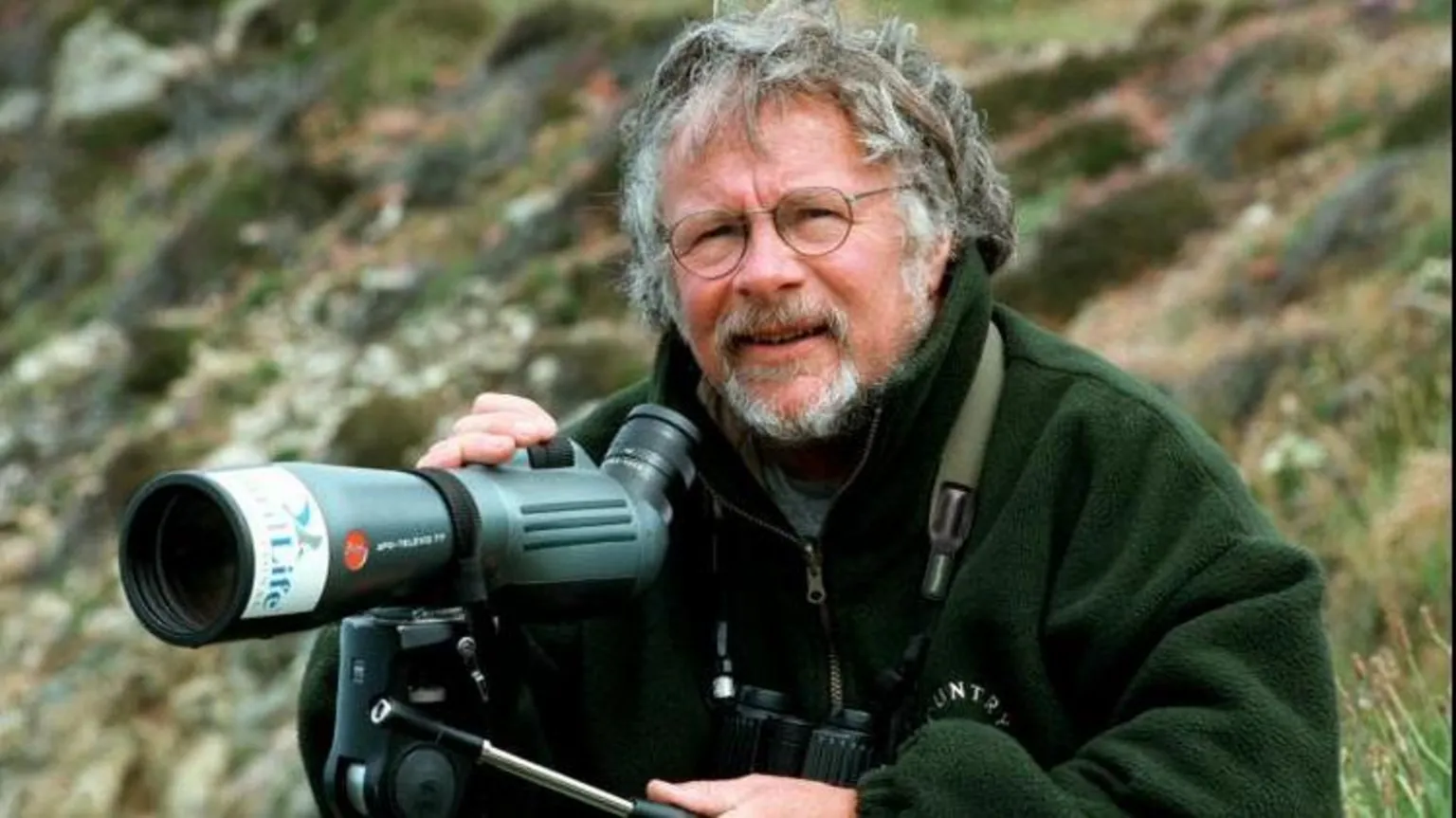
The Goodies aired on BBC Television throughout most of the 1970s before making a brief, less successful transition to ITV.
The show developed a cult following in Australia, prompting the trio to reunite for a tour in 2005, but the BBC never rebroadcast it in the UK, which frustrated the cast.
Garden later expressed that the lack of repeats might have been a form of punishment for the trio’s perceived disloyalty, stating in 2020: ‘It seems they’ve held that grudge ever since.’
Oddie and Garden also collaborated on scripts for the ITV comedy series Doctor in the House. Nonetheless, his childhood fascination with birds remained strong, and by the mid-1970s, he began establishing himself as a naturalist.
He made guest appearances on various shows, such as Animal Magic, and his witty Little Black Bird Book, published in 1980, became a bestseller.
‘Bird-watchers can be tense, competitive, selfish, shifty, dishonest, distrustful, boorish, pedantic, unsentimental, arrogant, and, above all, envious,’ he humorously remarked.
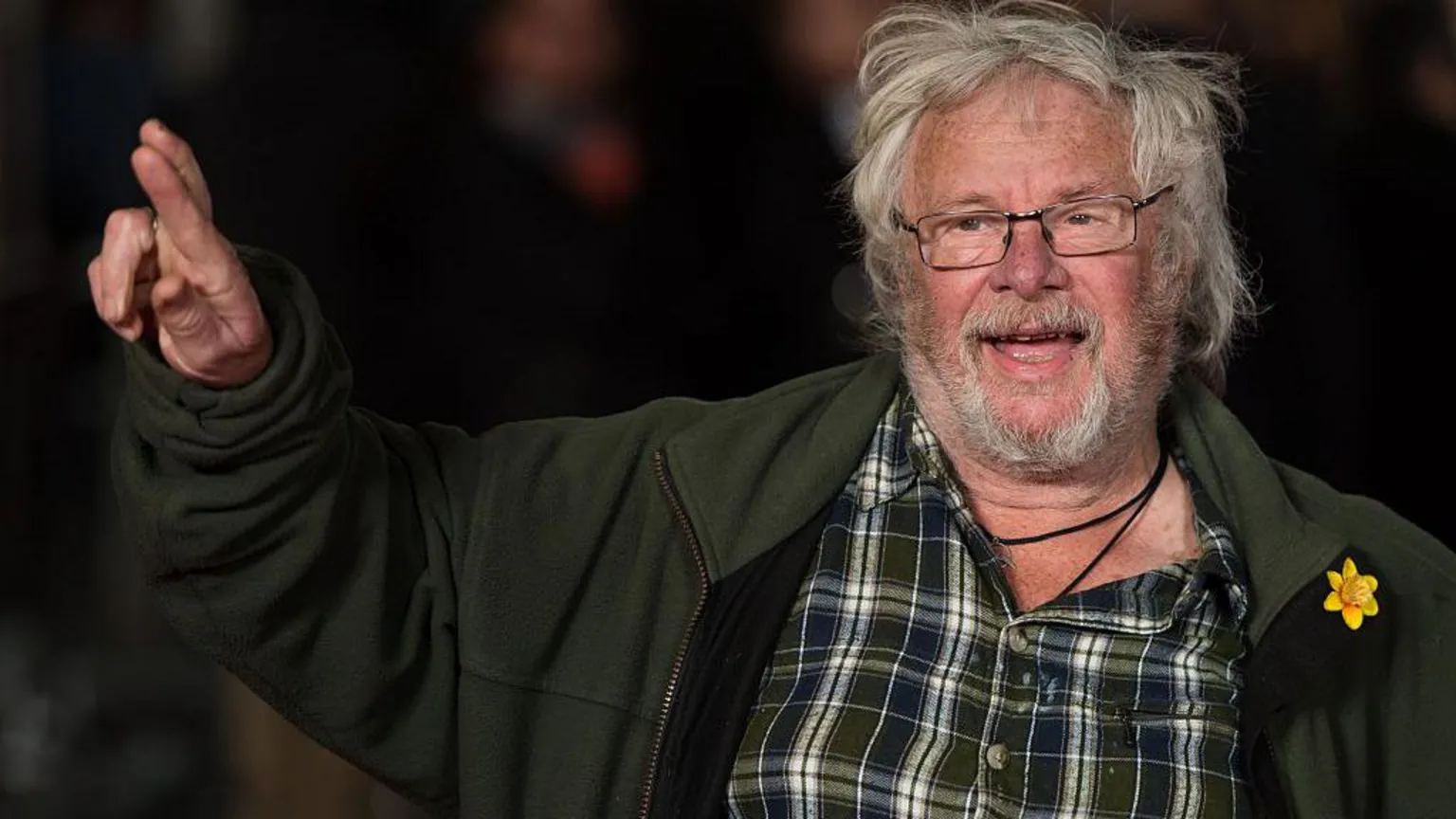
This marked the beginning of a flourishing career as a television presenter, resulting in him being a frequent presence on screens.
The Great Bird Race aired on Channel 4 in 1983, followed by multiple BBC productions including The Great Kenyan Bird Safari and Oddie in Paradise.
In 1985, the BBC produced a special 50-minute Nature Watch segment titled Bill Oddie – Bird Watcher, where he visited numerous locations significant to his birdwatching pursuits.
By the dawn of the new millennium, he had become a beloved presenter for the BBC, known for shows like Birding with Bill Oddie and Bill Oddie Goes Wild, which introduced birdwatching to wider audiences.
Mike Pratt, the chief of Northumberland Wildlife Trust, praised Oddie’s impactful and entertaining role as a naturalist, having served as the charity’s patron for nearly three decades.
‘Bill was a wonderful source of inspiration for my generation of young conservationists from the 1970s onwards,’ Pratt remarked.
‘He made being a naturalist enjoyable and thrilling, guiding myself and many others toward advocacy and action for wildlife protection.
‘We will miss his genuine concern for all forms of life.’
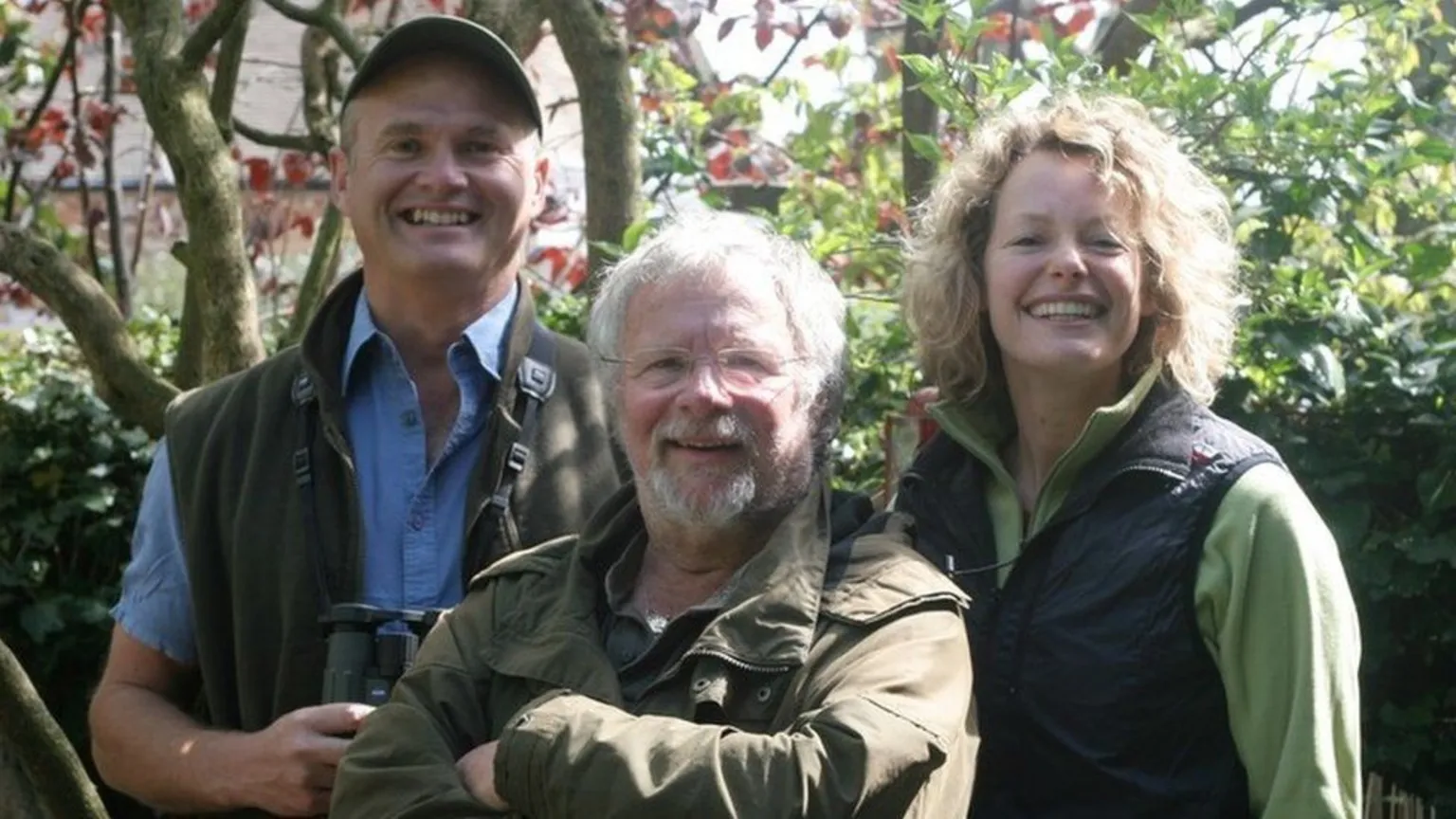
In 2004, Britain Goes Wild attracted record viewership when it aired on BBC Two. The following year, it was rebranded as Springwatch, and Autumnwatch followed a year later.
Apart from wildlife programming, Oddie appeared in a variety of quiz shows and even acted in an episode of Doctor Who, as well as participating in the BBC genealogy series, Who Do You Think You Are?
Additionally, he found success as a voice-over artist, lending his voice to a Thompson Directory advertisement and producing several spots for the DIY retailer B&Q, an aspect he noted was quite profitable.
Despite his achievements, Oddie struggled with episodes of depression, ultimately being diagnosed with bipolar disorder, which he sometimes attributed to his fraught relationship with his mother.
He parted ways with Springwatch in 2008.
In a 2018 interview with the Daily Mirror, he stated, ‘I never received a clear explanation.
‘I was summoned and informed: ‘We won’t be requesting your participation in future programs.”
Oddie remarked, ‘Unfortunately, my bipolar condition played a role, and I could be quite irritable.’
The Mirror reported that the BBC was unaware of his condition at the time, later issuing a statement wishing him a speedy recovery.
‘At that moment, I was stunned,’ he recounted in a 2015 interview with the Independent.
‘A year later, I was diagnosed with bipolar disorder. Reflecting back, if I had known what I do now, I would have realized I was experiencing a manic episode.’
Viewers missed his presence on the show, with viewership dropping from an average of 3.19 million prior to his departure to 2.55 million afterward.
Oddie later disclosed that his condition had led him to attempt suicide.
In 2020, he disclosed that he had suffered grave health issues due to lithium poisoning, a treatment intended to help regulate his mood.
He mentioned on social media that ‘the recent years have been quite difficult for me.
‘I’ve lost motivation, but I’m still here.’
In addition to his wildlife pursuits, Oddie had a love for music, even hosting a period as a radio DJ specializing in jazz, and amassed a massive collection of CDs.
An ardent supporter of the Green Party, he also dedicated his efforts and fame to various wildlife charities such as the RSPB.
His marriage to musician Jean Hart in 1967 ended in divorce. In 1983, he wed Laura Beaumont, who had collaborated with him on numerous projects.
Oddie was indeed a versatile individual, succeeding in various pursuits he engaged in.
Nevertheless, it was his contributions to conservation that brought him the greatest fulfillment. ‘Wildlife,’ he stated, ‘has always served as a sanctuary for me—perhaps more than I recognize.’