Business Jet Crashes Into Florida Road Near Donald Trumps Mar-a-Lago, Killing All 9 on Board Dashcam Captures Terrifying Moment
A Learjet 60 met with tragedy when it crashed into a neighborhood in Florida, claiming the lives of all nine individuals onboard. Dashcam footage documented the harrowing descent of the plane, while unsettling cockpit recordings revealed the crew’s frantic attempts to regain control.
What began as an ordinary Sunday in a Florida community quickly turned into a scene of horror when a business jet unexpectedly plummeted onto a bustling road.
The impact left a large crater, debris strewn across the area, and a fireball that sent thick black smoke spiraling above nearby residences. However, the details of the cockpit communications in the moments leading up to the crash were even more chilling.
On November 1, 2026, the Learjet 60, with nine passengers aboard, was en route from Austin, Texas to the Bahamas when it crashed in Palm Beach County, Florida at approximately 12:50 p.m. EST, near Cresthaven, about nine miles from President Donald Trump’s Mar-a-Lago resort.
Earlier that morning, Trump had been in the vicinity, departing from a nearby airport on Air Force One just over an hour prior to the crash.
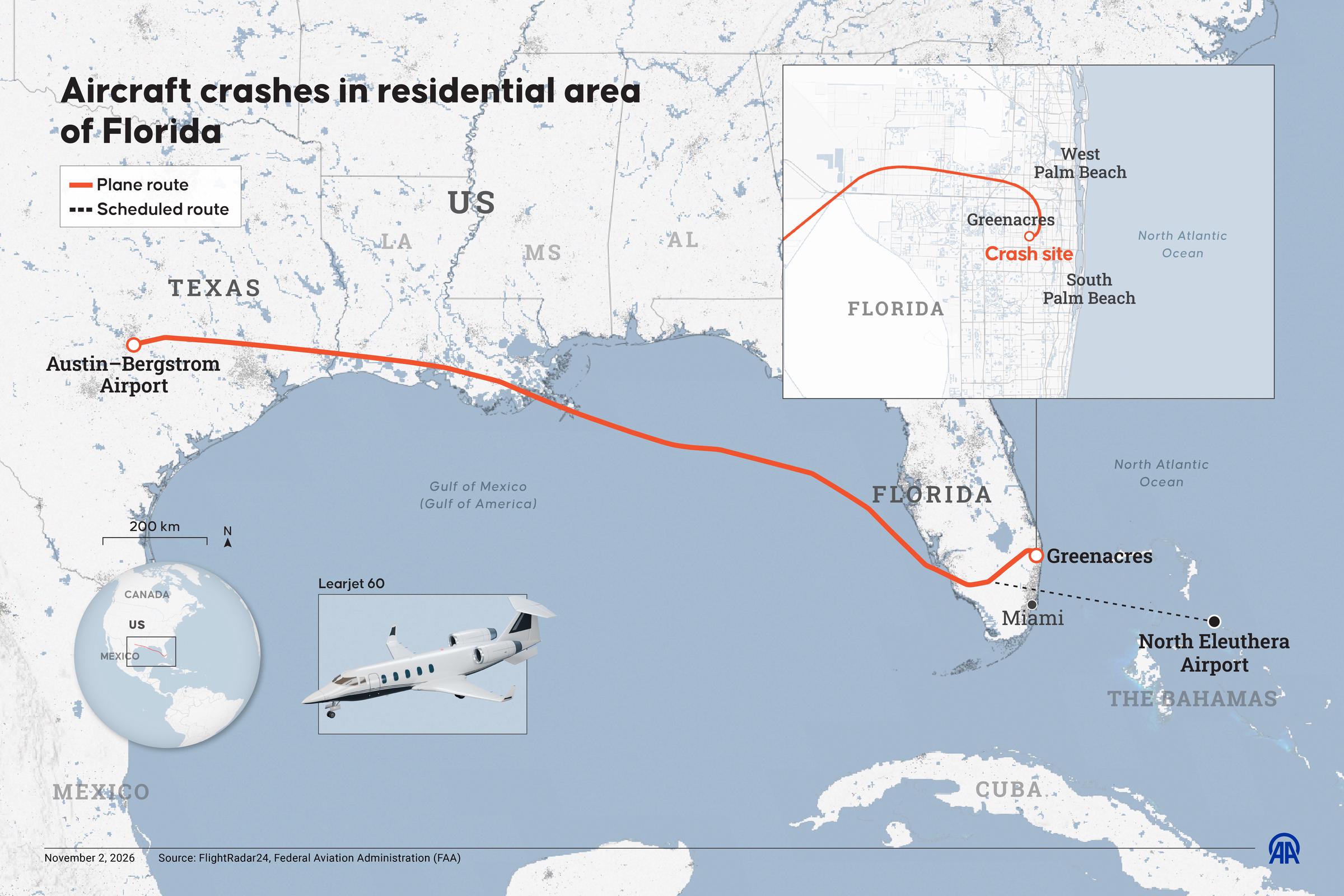
According to U.S. Transportation Secretary Sean Duffy, all nine onboard lost their lives. Fortunately, no injuries were reported on the ground. The Federal Aviation Administration (FAA) noted that the jet had taken off from Austin-Bergstrom International Airport and was headed towards North Eleuthera Airport in the Bahamas.
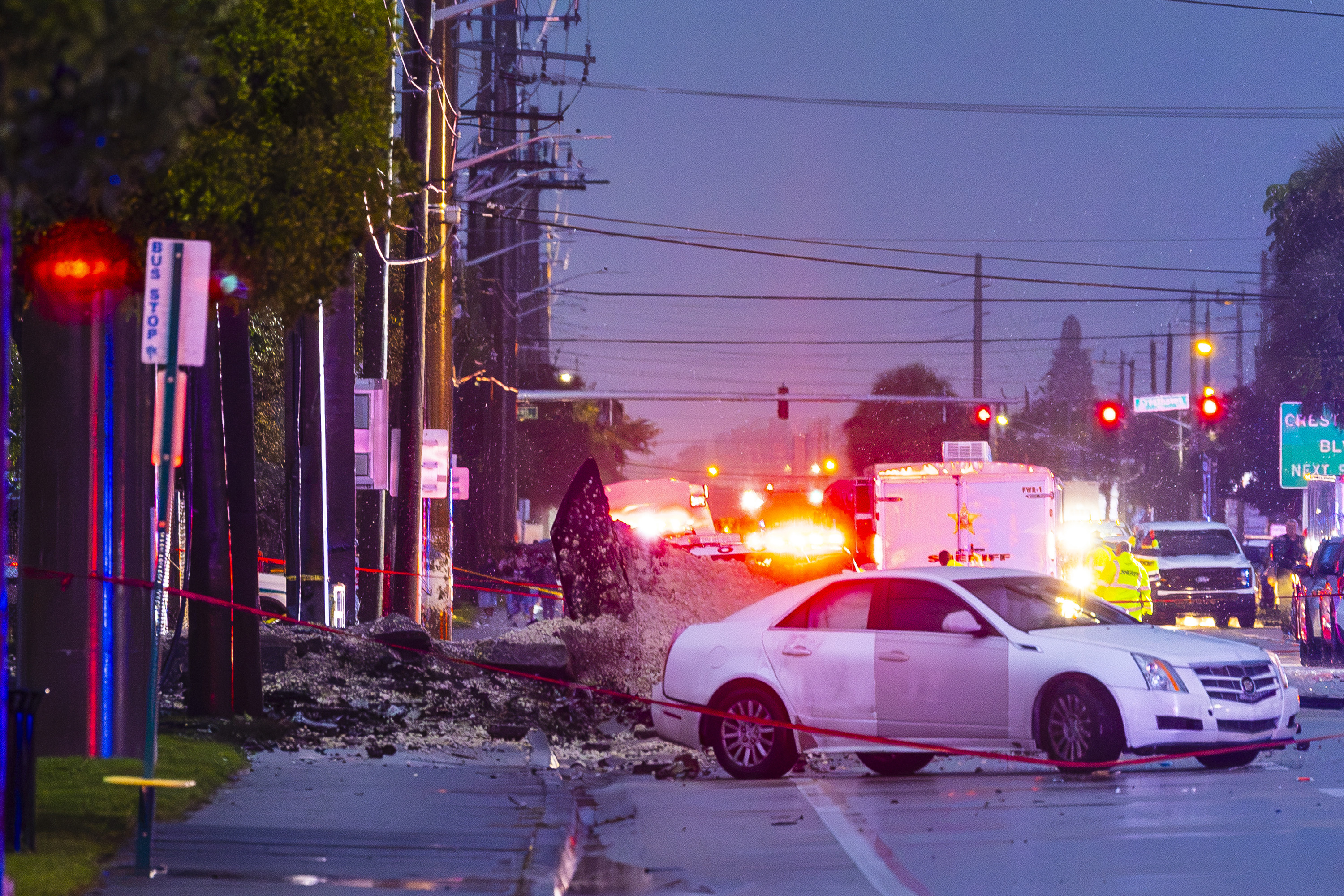
The crash occurred on Military Trail, a six-lane road flanked by businesses and residences. Images from the scene revealed a sizable crater on the thoroughfare, surrounded by burning debris and wreckage.
The most alarming details emerged from the recordings documenting the aircraft’s final interactions with air traffic control.
Pilots Reported Turbulence Before Disaster Struck
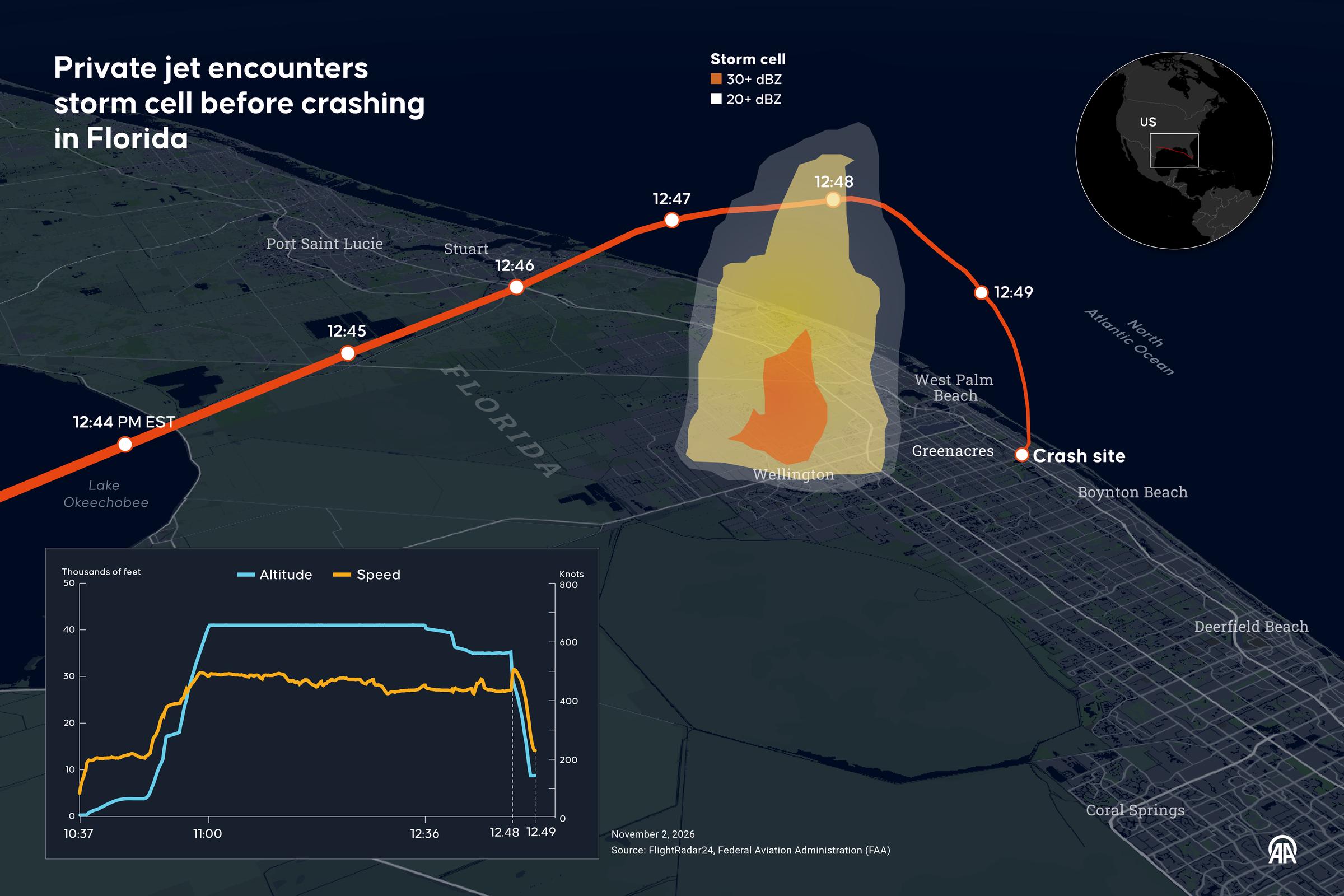
In the moments leading up to the crash, the Learjet crew faced challenging weather, struggling with turbulence, icing, and rain. Recordings of their last conversation with air traffic control, preserved by LiveATC.Net, indicated they were discussing the weather conditions around their aircraft.
When air traffic control inquired about the external air temperature, the pilot replied, ‘Minus 47 degrees Celsius. We’re managing the ice, but it is moderate turbulence.’ Initially, this exchange seemed like a standard weather discussion, but things took a turn for the worse as the aircraft encountered precipitation.
‘Now we’re picking up precipitation. We need to climb,’ the pilot communicated to air traffic control. The controller responded affirmatively, instructing them to climb and maintain altitude.
What followed was a drastic and alarming change in the aircraft’s trajectory.
Mayday Calls as the Jet Plummeted Rapidly
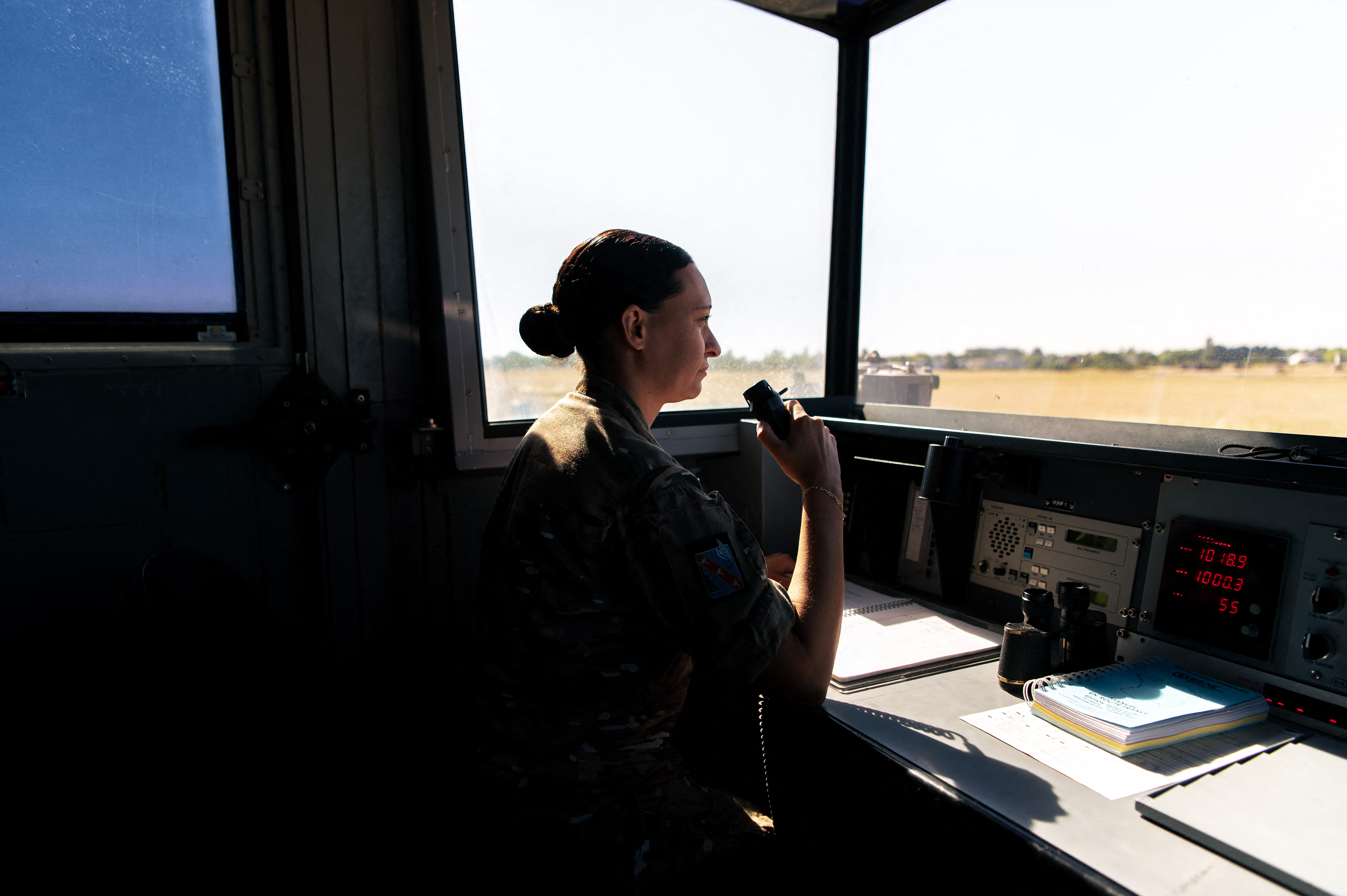
The recordings revealed that shortly thereafter, the pilot announced that the aircraft was losing altitude at an alarming pace. ‘We’re descending 8,000. Mayday, mayday. We’re descending 10,000 feet per minute. Declaring emergency 722 Bravo Delta. We’re in an oversea condition, descending 20,000 feet per minute.’
Although the crew declared an emergency, gaining control over the aircraft was increasingly challenging. Air traffic control made efforts to keep communication with the pilots, asking what assistance they required.
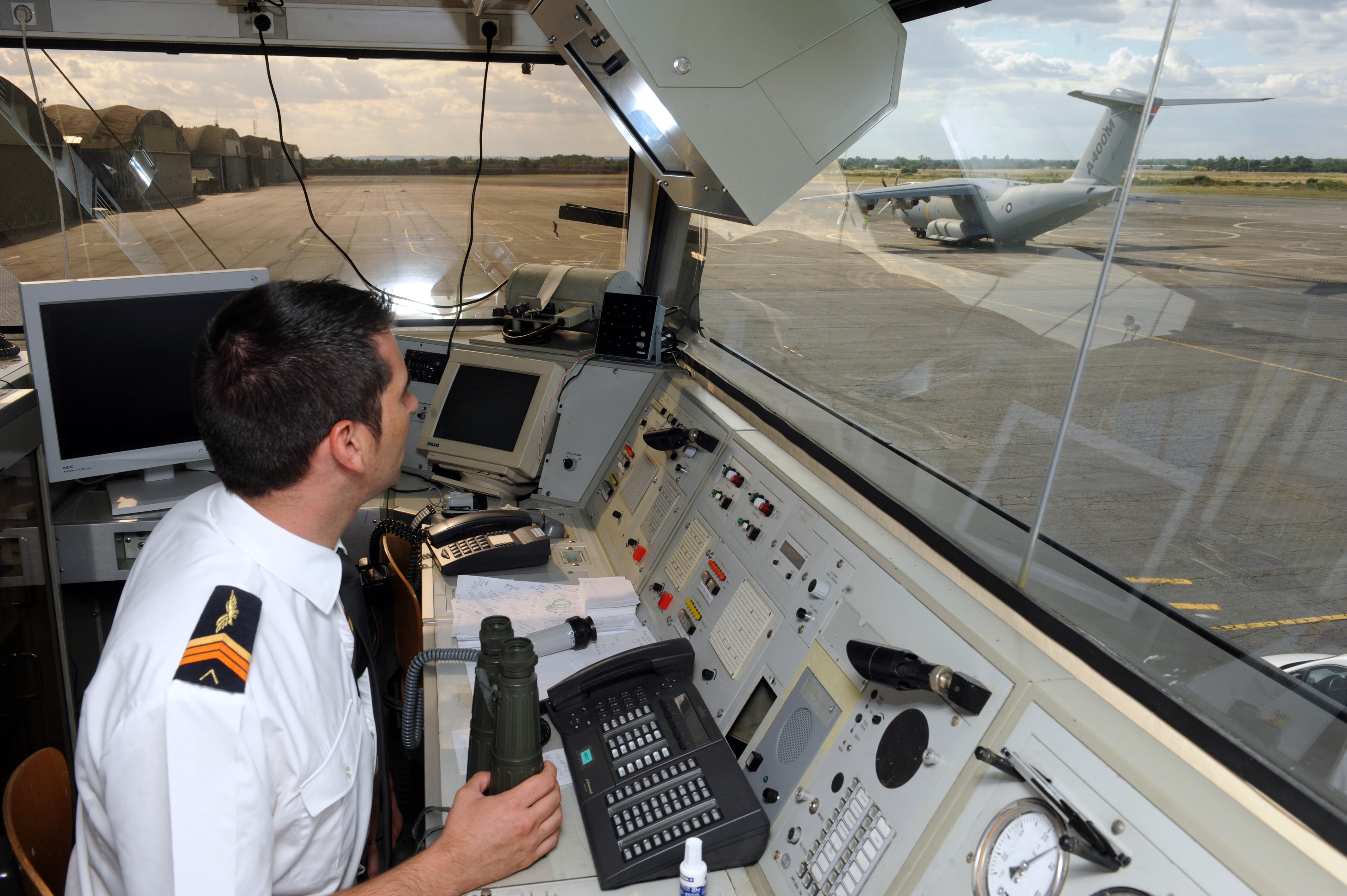
The cockpit’s chilling response came swiftly. ‘We’re gonna crash into the ground,’ the pilot stated. The controller persisted, ‘November two Bravo Delta. I’m here with you. Talk to me.’ Another alarming report from the cockpit said, ‘We are descending 22,000 feet, and we are banking 60 degrees.’
An unsettling moment was noted in the recordings, where an inaudible scream was noted, followed by a command to ‘Look outside.’ Air traffic control again attempted to reach the crew, asking, ‘November two Bravo Delta. How do you hear?’
The BBC reported that the crew’s final communication came roughly 35 seconds after the initial mayday. ‘We’re out of time,’ a voice from the cockpit declared.
At this point, the aircraft was descending rapidly, with the crew seemingly unable to regain control.

Dashcam Video Captures the Plane’s Descent
The horrifying last moments were also recorded in footage that circulated on social media. A dashcam video captured the exact moment of the crash as vehicles traveled down an ordinary suburban street.
In the video, the aircraft can be seen suddenly descending from the sky at a near-vertical angle before vanishing in a large explosion.
Upon impact, a massive fireball erupted, followed by a towering plume of dark smoke that rose above the surrounding homes and trees. This scene was particularly haunting as the aircraft appeared to plummet directly into a space typically filled with vehicles and pedestrians.
Additional footage from the neighborhood depicted thick smoke billowing across the sky, with cars halted along the roadside. Bystanders can also be seen gathering nearby, gazing towards the crash site.

Though the footage has not been independently verified, it offers a disturbing insight into the unfolding tragedy. Florida Governor Ron DeSantis remarked on the shocking nature of the footage while speaking to reporters after the incident.
‘Seeing that video is jarring,’ DeSantis commented. ‘It resembles a missile falling and the subsequent massive explosion with debris scattering everywhere.’ The governor characterized the event as a catastrophic disaster that created a significant crater in the road.
Evacuations Due to Damage Caused by the Crash
While all nine passengers aboard were killed, the crash also severely impacted local residents. The Palm Beach County Fire Rescue designated the area as a mass casualty incident, prompting emergency services to respond rapidly. Authorities reported substantial damage to local infrastructure, including water lines, with debris scattered along Military Trail.
The incident also disrupted access to a nearby mobile home park, necessitating temporary shelter for about 600 residents. Joel Flores, a Palm Beach County commissioner for District 3, who was one of the first officials on the scene, stated that residents were being redirected to two shelters while investigators examined the site.

The extent of the devastation was clear from accounts provided by witnesses who experienced the explosion firsthand. ‘I heard and felt the boom,’ Andrew Mannino shared with CNN. ‘The power went out immediately and has yet to be restored.’ Mannino also recounted smelling smoke and witnessing a large black cloud rise into the air.
Officials have indicated that repairs to the road and surrounding infrastructure will take a considerable amount of time. Estimates suggest that Military Trail may remain closed for a minimum of 30 days.
Investigating the Causes of the Learjet’s Descent
While the recordings indicate a frightening struggle to regain control of the aircraft, investigators are still working to determine the specific cause of the emergency.
Weather conditions may provide significant insights. Thunderstorms were occurring in the vicinity when the Learjet went down, and reports indicate the aircraft had just passed through a more intense storm cell moments before its rapid descent began.
However, officials have not yet determined if the storm played a role in the crash or if another issue was responsible for the loss of control.
The aircraft’s abrupt descent has drawn scrutiny from aviation experts. Mary Schiavo, an aviation analyst for CNN and former Transportation Department inspector general, stated that the dashcam footage could be instrumental in helping investigators piece together the final moments of the flight.
‘That descent was out of control,’ Schiavo commented. ‘It’s evident that they had lost command of the plane regardless of what happened.’
Schiavo further elaborated that the intensity of such a steep descent could result in parts of the aircraft detaching. The explosion that followed may have destroyed the flight data recorder, complicating the investigation into the specifics of what transpired.
Another aspect that investigators are likely to scrutinize is the pilots’ comments about icing prior to the emergency. Ice accumulation on an aircraft’s wings and surfaces can disrupt airflow, impeding stable flight.
The National Transportation Safety Board (NTSB) issued a safety alert in January 2024 specifically addressing icing dangers during flight. The agency cautioned that ice can complicate the management of an aircraft’s flight path and airspeed, hampering the ability to maintain stable flight.
Nevertheless, the pilots’ reports regarding icing do not confirm that it was the cause of Sunday’s disaster. Investigators will need to ascertain if icing impacted the aircraft’s performance and evaluate other contributing factors, including weather conditions.
Transportation Secretary Sean Duffy referred to the crash as a ‘horrific tragedy’ and mentioned that a team from the Federal Aviation Administration would assist the NTSB in their investigation. ‘Please join me in offering prayers for the families and friends of those who were lost,’ Duffy urged.
Authorities have not yet released the names of the nine individuals who perished in the crash, nor have they confirmed how many were passengers versus crew members. Investigators are expected to analyze the wreckage, available flight data, cockpit recordings, weather factors, and maintenance records to understand the circumstances surrounding the incident.
Previous Accidents Involving the Learjet 60
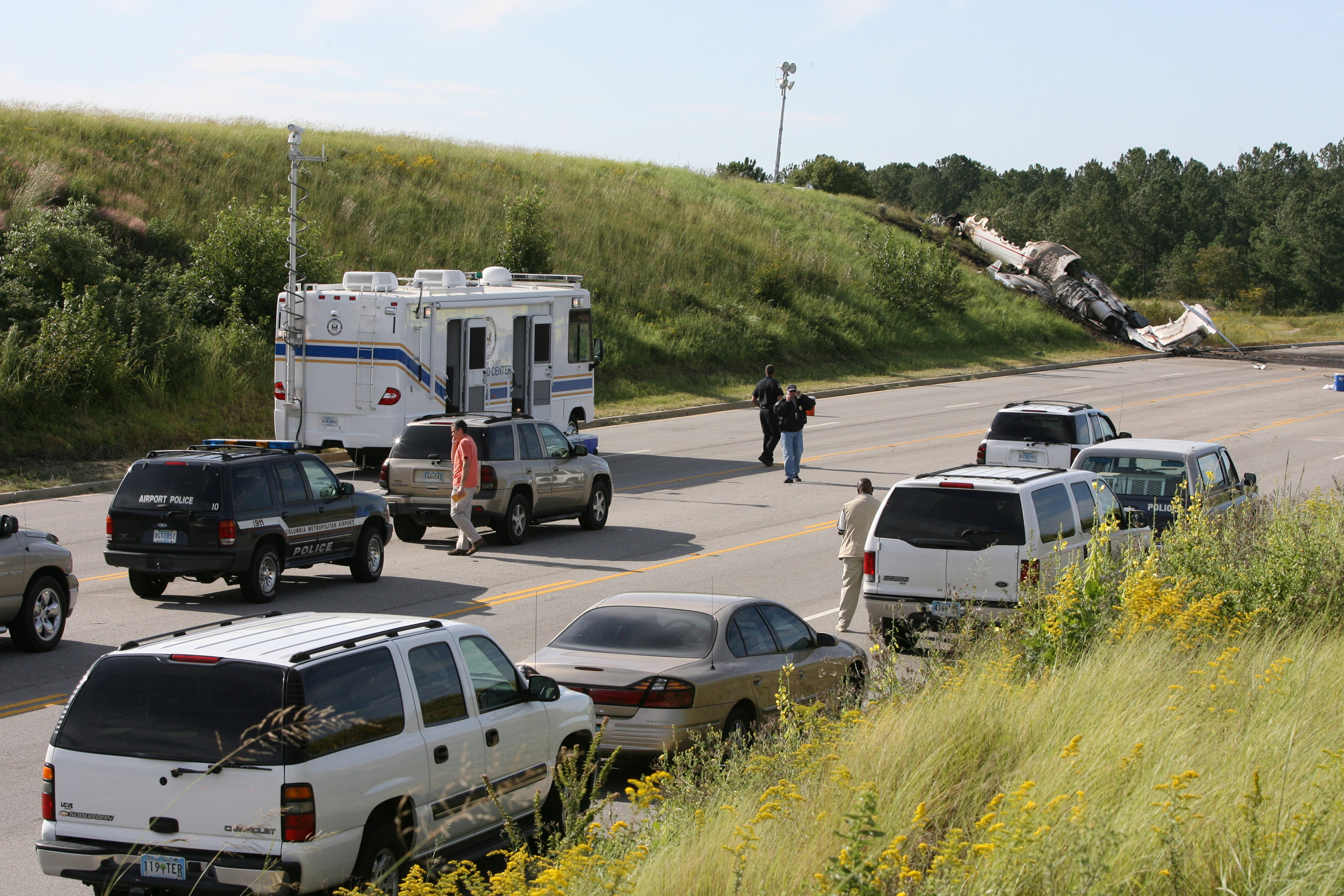
This tragedy has brought renewed scrutiny to the safety record of the Learjet 60, although a previous incident involving this aircraft model occurred under markedly different conditions. On September 19, 2008, another Learjet 60 crashed during its takeoff attempt from Columbia Metropolitan Airport in South Carolina.
As per the investigation into the 2008 crash, the NTSB concluded that severely underinflated tires and the crew’s decision to abort the takeoff after achieving V1 speed were likely the culprits.
During the takeoff roll, all four tires failed, causing fragments to damage a critical component of the aircraft’s thrust-reverser system. This malfunction resulted in the engines producing forward thrust when the captain attempted to stop the plane.
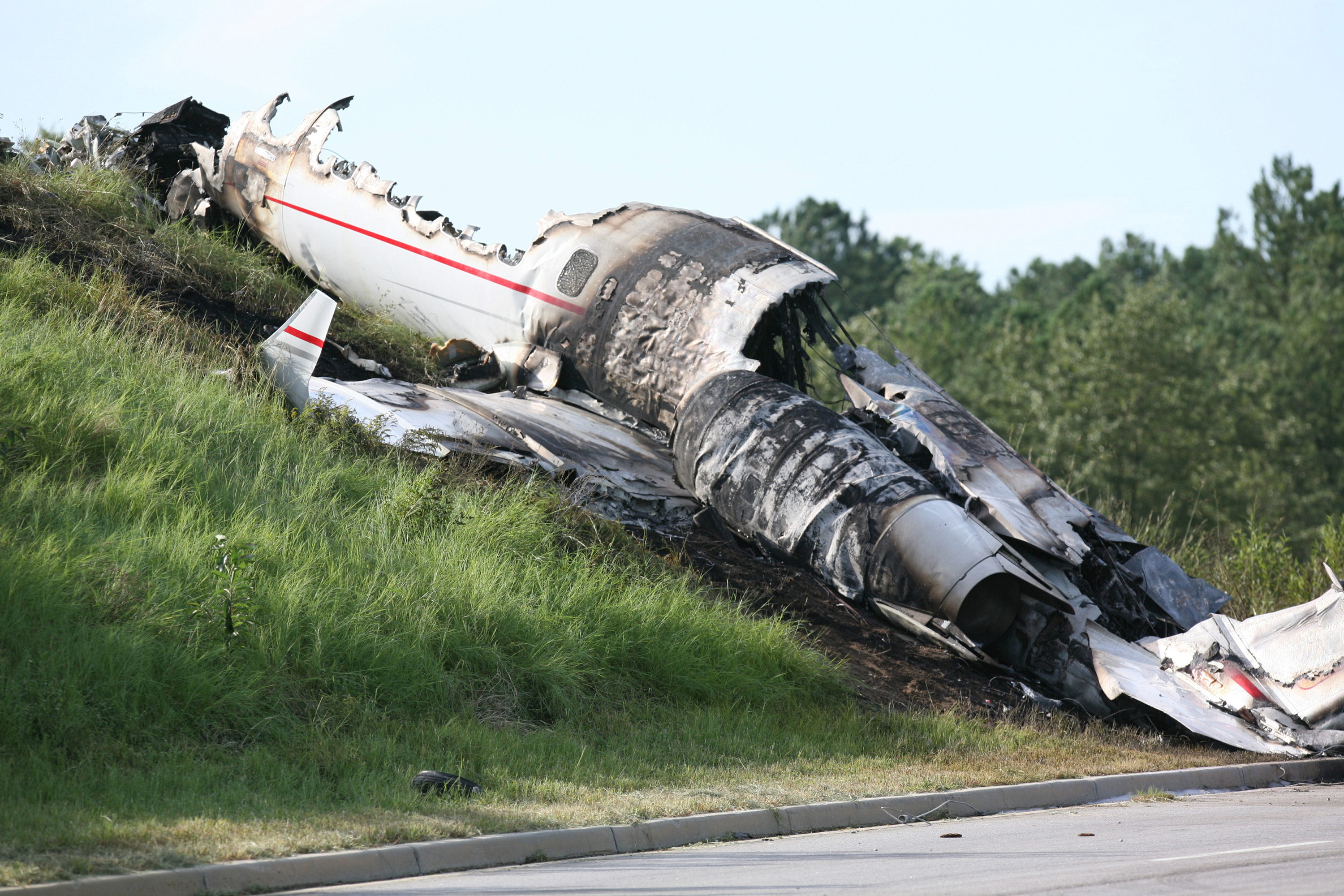
The accident claimed the lives of the captain, first officer, and two passengers, while two others survived with severe injuries. The investigation identified multiple contributing factors, including poor maintenance, flaws in the aircraft’s thrust-reverser design, and issues in crew resource management.
The circumstances of that earlier accident differ significantly from those of the recent crash, and no correlation has been established between the two events. The Learjet 60, debuted in the early 1990s, is a twin-engine business jet capable of carrying a crew of two and between six to nine passengers based on its seating arrangement.
The jet made its inaugural flight in October 1990, obtaining certification in January 1993, as per information from Forecast International.
Another Plane Crash Highlights Ice-Related Risks
The recent Florida crash coincides with another tragic incident in Wisconsin, where a pilot reported icing while navigating through a thunderstorm. On October 13, 2026, six individuals, including a child, perished when a Piper PA-46 Malibu crashed in a wooded area near Mirror Lake State Park, close to Wisconsin Dells.
The aircraft was en route from Kenosha to Menomonie and crashed around 10 p.m. as rain and thunderstorms swept through the Town of Dellona, according to the Sauk County Sheriff’s Department.
Before the crash, the pilot reported to air traffic control that ice was accumulating on the aircraft’s wings at an altitude of 24,000 feet (7,315 meters). The pilot requested to descend, which air traffic control approved.
However, the aircraft subsequently entered a steep right turn during descent until all communication and flight tracking were lost, according to the National Transportation Safety Board (NTSB).
Data from FlightRadar24 indicated that the plane was descending at rates of up to 4,000 feet per minute while its speed nearly doubled to 340 mph. Aviation safety expert Jeff Guzzetti noted that the situation bore all the signs of icing-related loss of control.
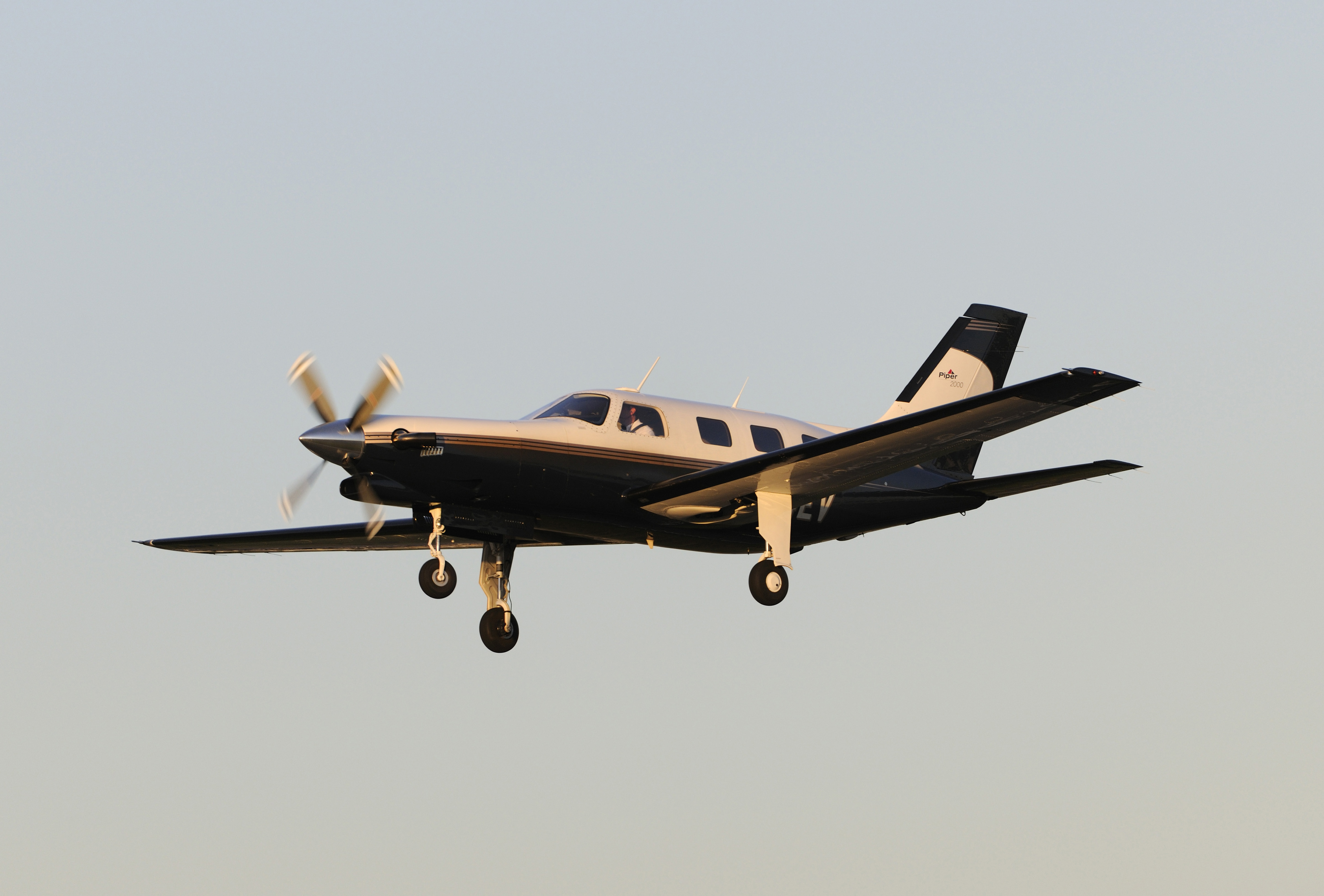
The Wisconsin incident has also drawn attention to previous icing issues associated with the Piper Malibu and Mirage models. The NTSB previously conducted a review of seven icing-related crashes concerning these models between 1989 and 1991.
Many of those incidents involved relatively inexperienced pilots struggling to manage sophisticated aircraft in icing conditions. Following its review, the NTSB recommended enhancements to pilot training, aircraft manuals, and improvements to systems that heat pitot tubes.
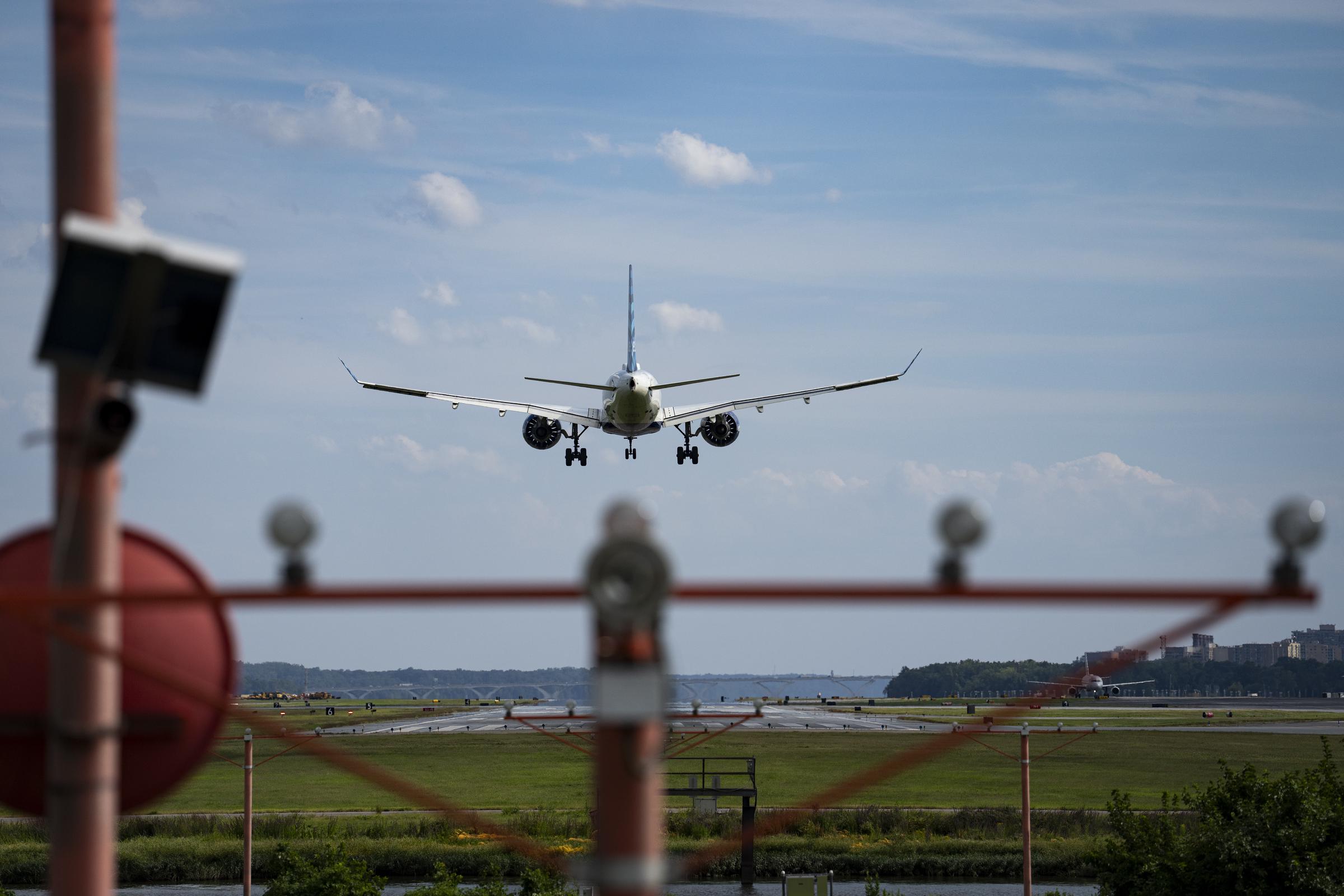
These heating systems help prevent ice from disrupting the instruments that provide pilots with accurate airspeed readings. In the Wisconsin crash, it was confirmed that all six individuals on board lost their lives, while no one on the ground was harmed, and no structures were affected. The NTSB is currently leading the investigation into that incident.
Although the crashes in Florida and Wisconsin involved different aircraft, both incidents underscore the severe risks that inclement weather presents to aviation. Investigators are still working to determine whether icing contributed to either crash.