Inside Burt Reynolds past Romances: The Love of His Life and the Marriage He Admitted Was A Really Dumb Move – Photos & Details
Even after his career had ended, the late actor continued to confront the women who had significantly impacted his life. His own admissions unveil the farewells that troubled him, the emotional scars that lingered, and the chapters that remained painfully unresolved.
While Burt Reynolds famously portrayed self-assured and witty leading men throughout his career, his personal relationships often lacked the same ease. Beneath the charming public facade were difficult breakups, serious accusations, and ongoing conflicts, along with one woman he referred to as the love of his life long after their communication ceased.
The images below showcase Reynolds with five influential women who played vital roles during various phases of his life. Continue reading to discover which romance he wished he had preserved, the marriage that turned into a media spectacle, and which separation left him emotionally paralyzed for several weeks.
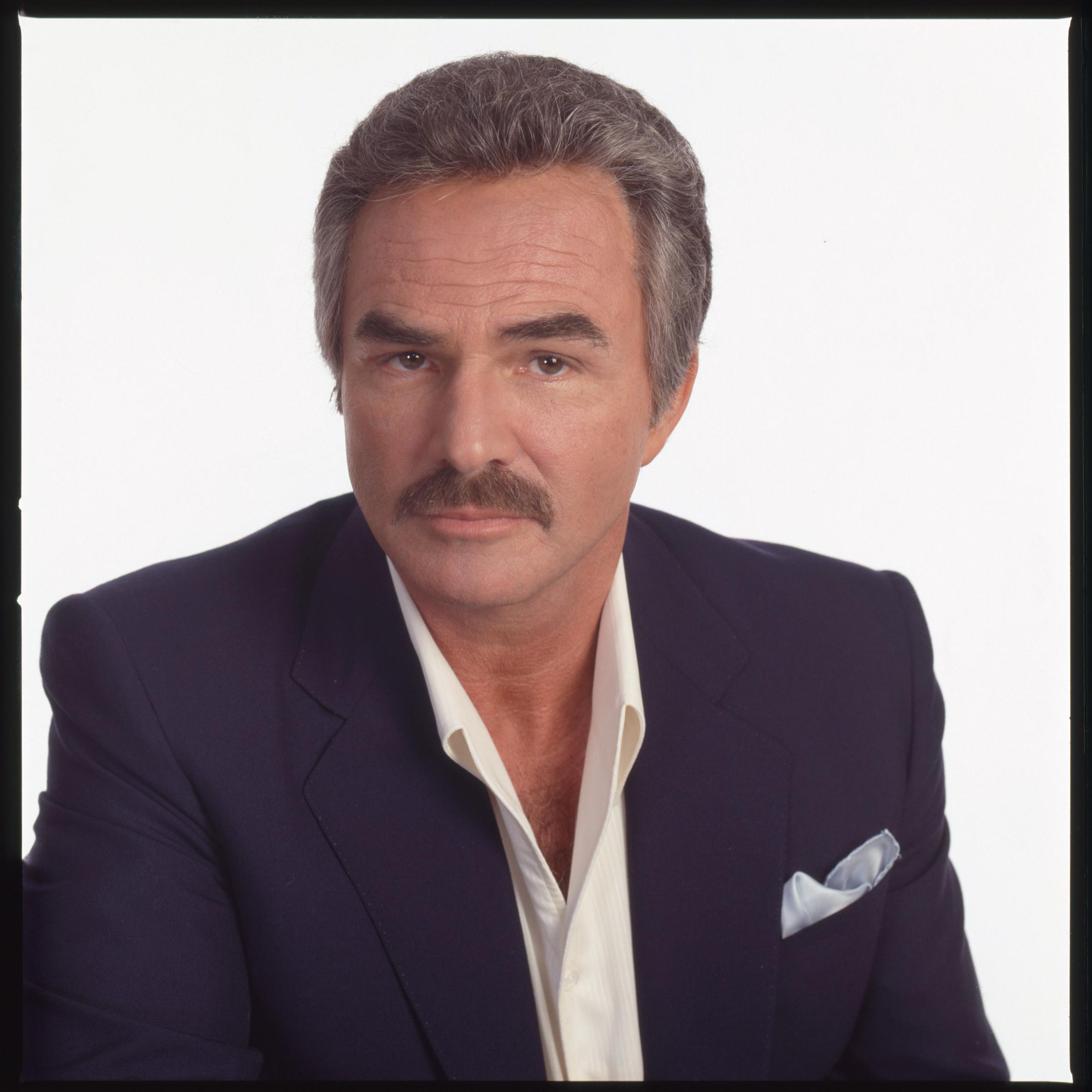
From Football Aspirations to Hollywood Icon
Before emerging as a prominent leading man in Hollywood, Reynolds seemed destined for a career in football. According to his IMDb biography, Burton Leon Reynolds was born in Lansing, Michigan, in 1936, before his family relocated to Riviera Beach, Florida, where his father served as the chief of police.
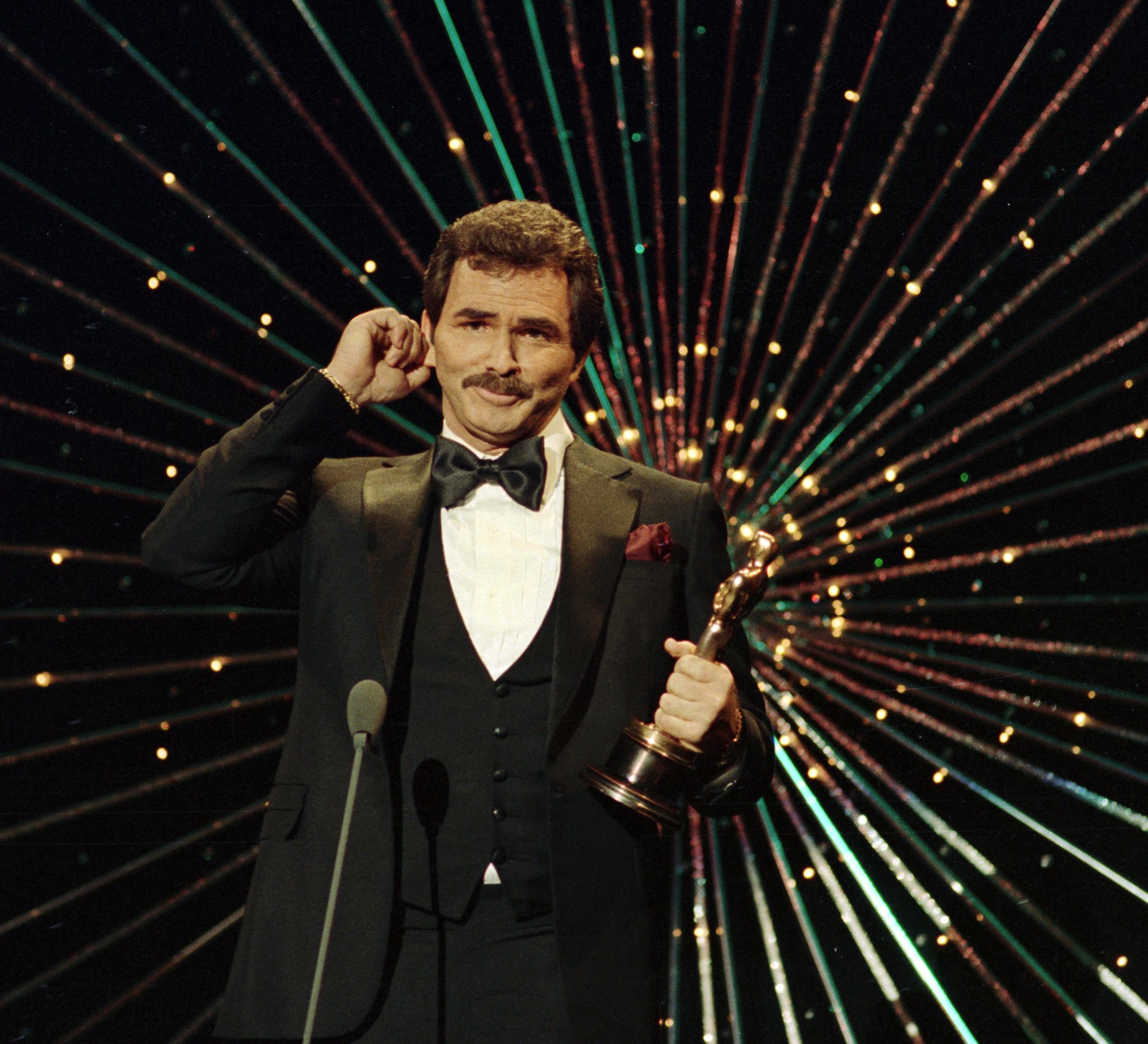
Eventually, he moved to New York City to pursue acting while working restaurant and club jobs. After appearing in a play called ‘Mister Roberts,’ he landed a television contract and secured roles in shows like ‘Riverboat,’ ‘Gunsmoke,’ and ‘Hawk.’
His major breakthrough in film came with ‘Deliverance’ in 1972, followed by successful roles in ‘White Lightning,’ ‘The Longest Yard,’ ‘Gator,’ and ‘Smokey and the Bandit,’ which solidified his status as an emblem of masculinity in 1970s Hollywood.
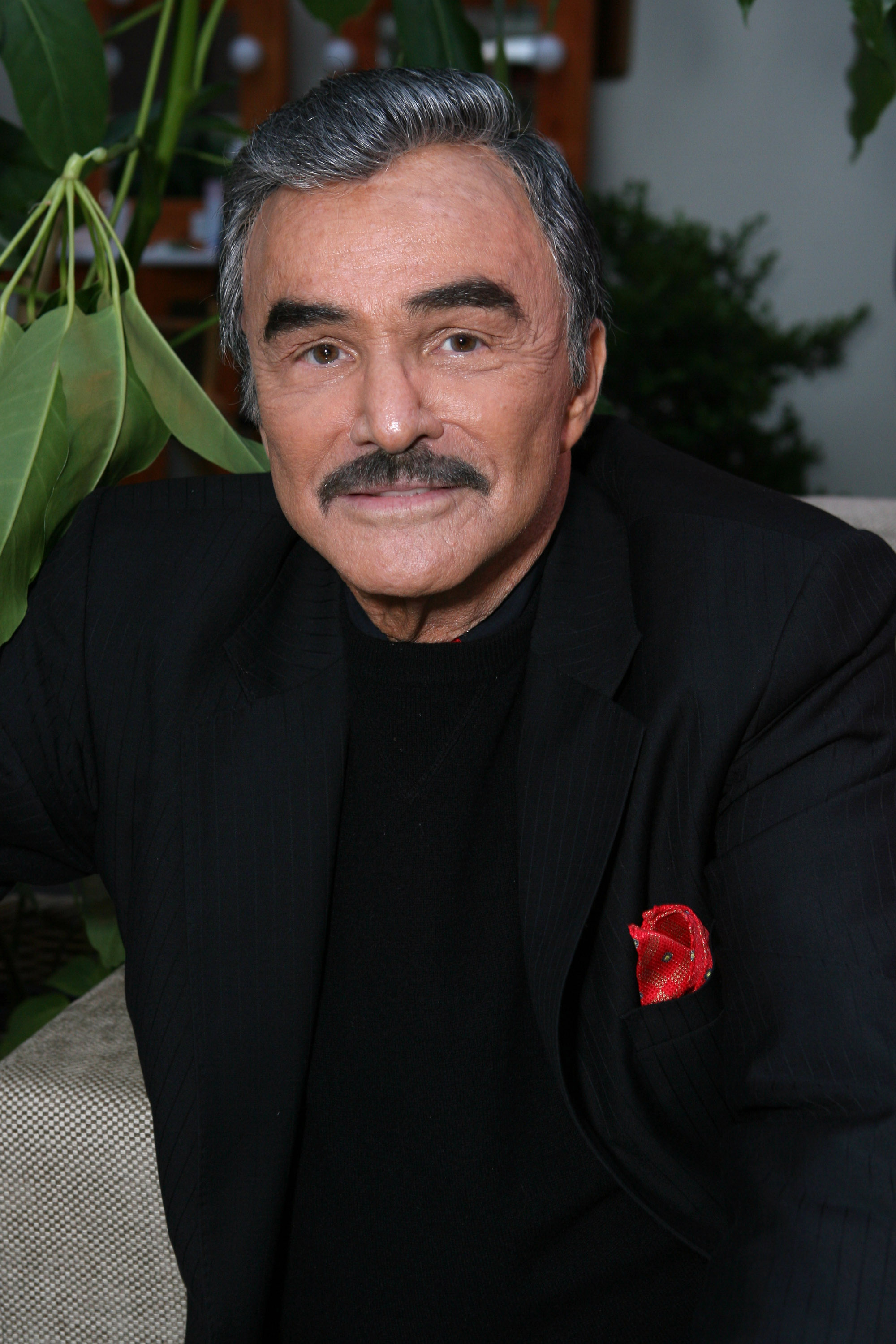
Reynolds later faced some downturns in his career, but his acclaimed role in ‘Boogie Nights’ revitalized his fame and earned him an Academy Award nomination. He passed away from cardiac arrest in Jupiter, Florida, on September 6, 2018, at the age of 82. While his films made him a household name, the stories behind the scenes reveal a much more intricate narrative.
Sally Field: The Love He Cherished Most
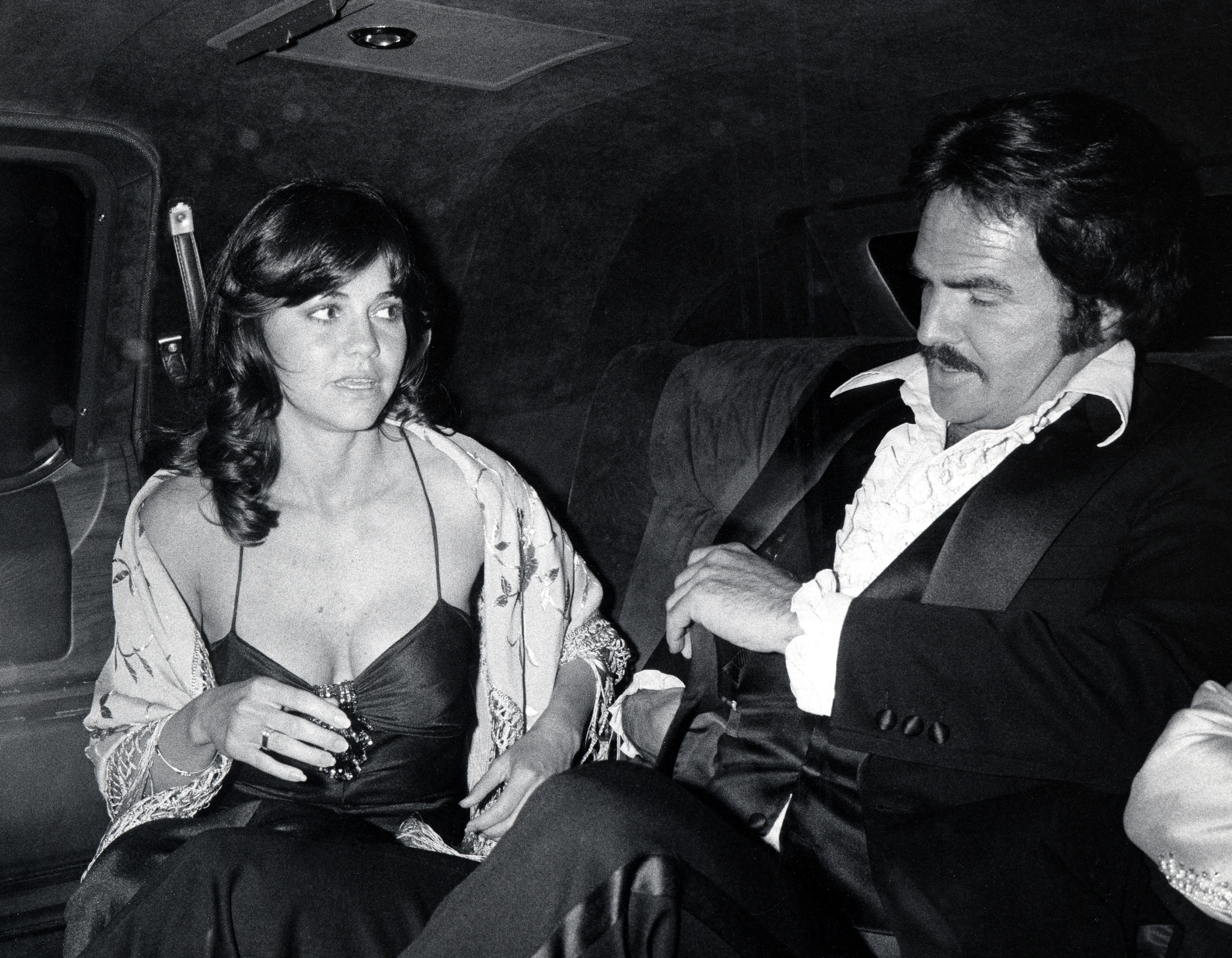
Reynolds first encountered Sally Field during the preparations for the 1977 comedy ‘Smokey and the Bandit.’ As previously detailed, Reynolds was a strong advocate for Field’s casting after executives questioned her appeal for the role. He later admitted he wanted her ‘really bad’ and defended her during the casting process.
The chemistry that audiences observed between Reynolds and Field was not entirely fabricated; they genuinely fell in love while filming.
Their professional collaboration continued with films ‘The End’ and ‘Hooper,’ both released in 1978, and their off-screen romance lasted about five years.
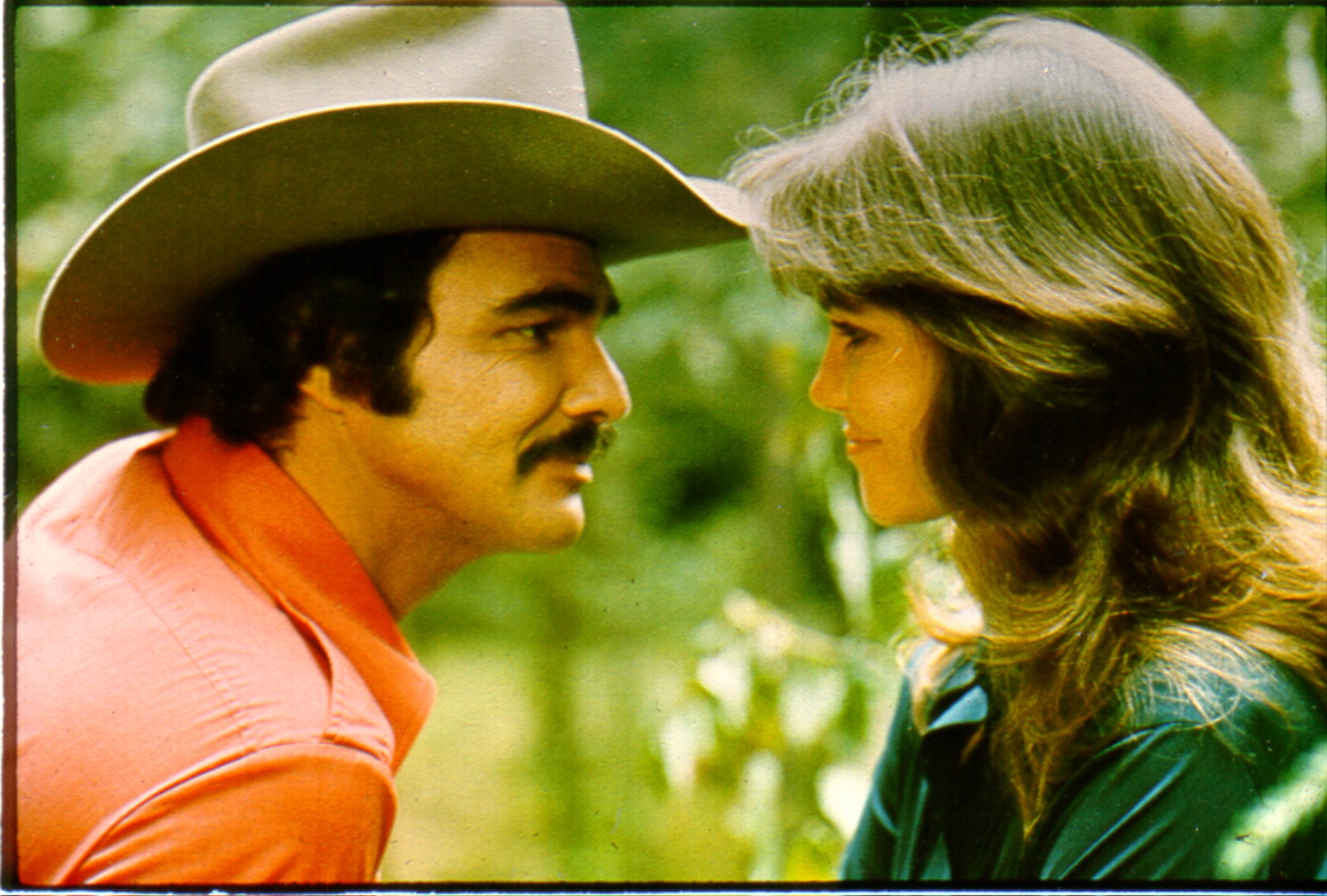
Field later expressed that Reynolds made her feel attractive and valued, but the relationship also had a significant emotional toll on her.
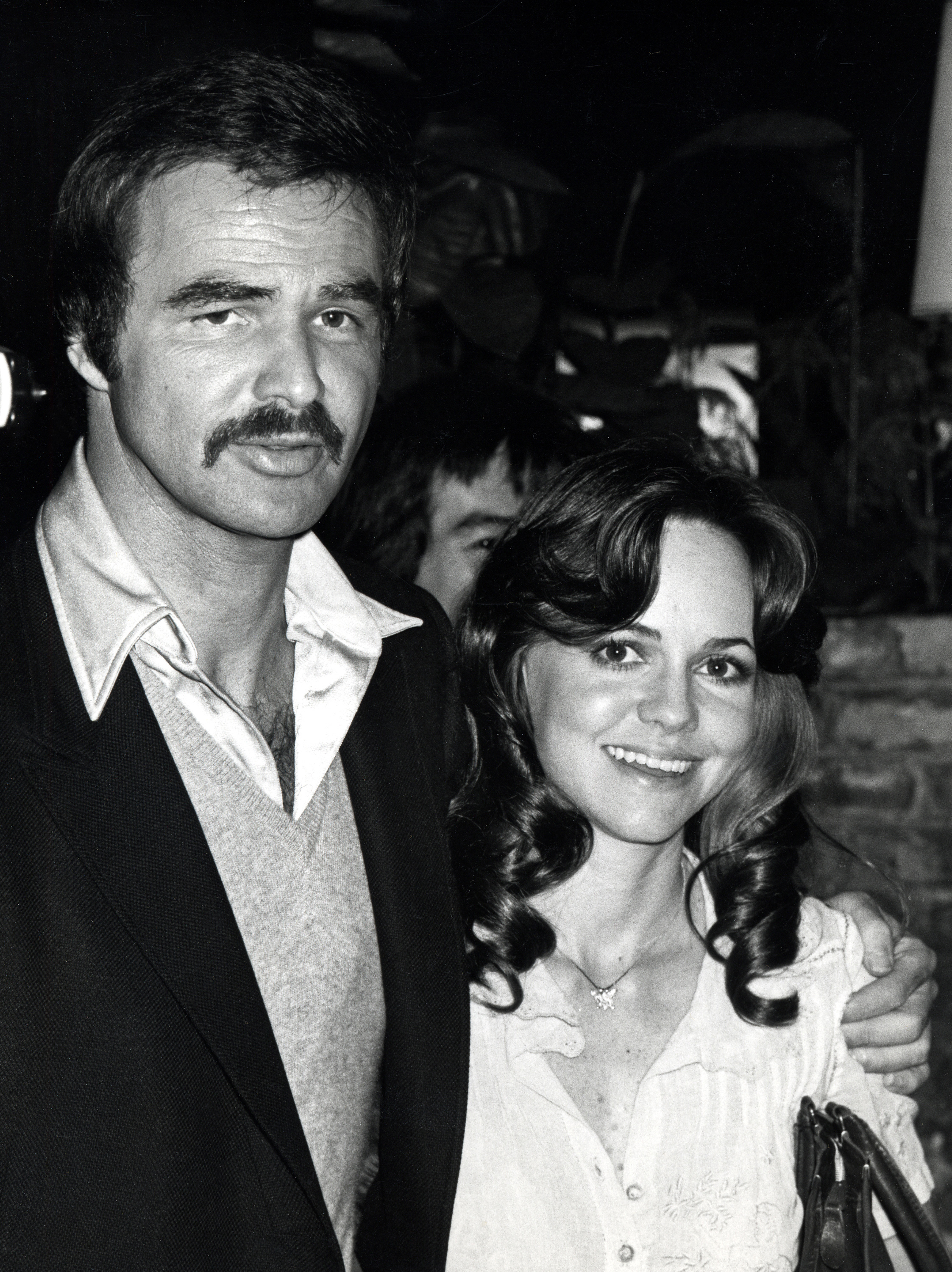
While Reynolds often nostalgically spoke of their romance, Field provided a more nuanced and complex perspective.
Field revealed that she felt like she ceased to exist during their time together. She described Reynolds as ‘confusing, complicated, and hurtful,’ although she acknowledged their bond included genuine affection and care.
In her memoir, ‘In Pieces,’ Field remarked that they were a ‘match of flaws,’ indicating she fell into her typical emotional patterns and compromised too much of her own identity.
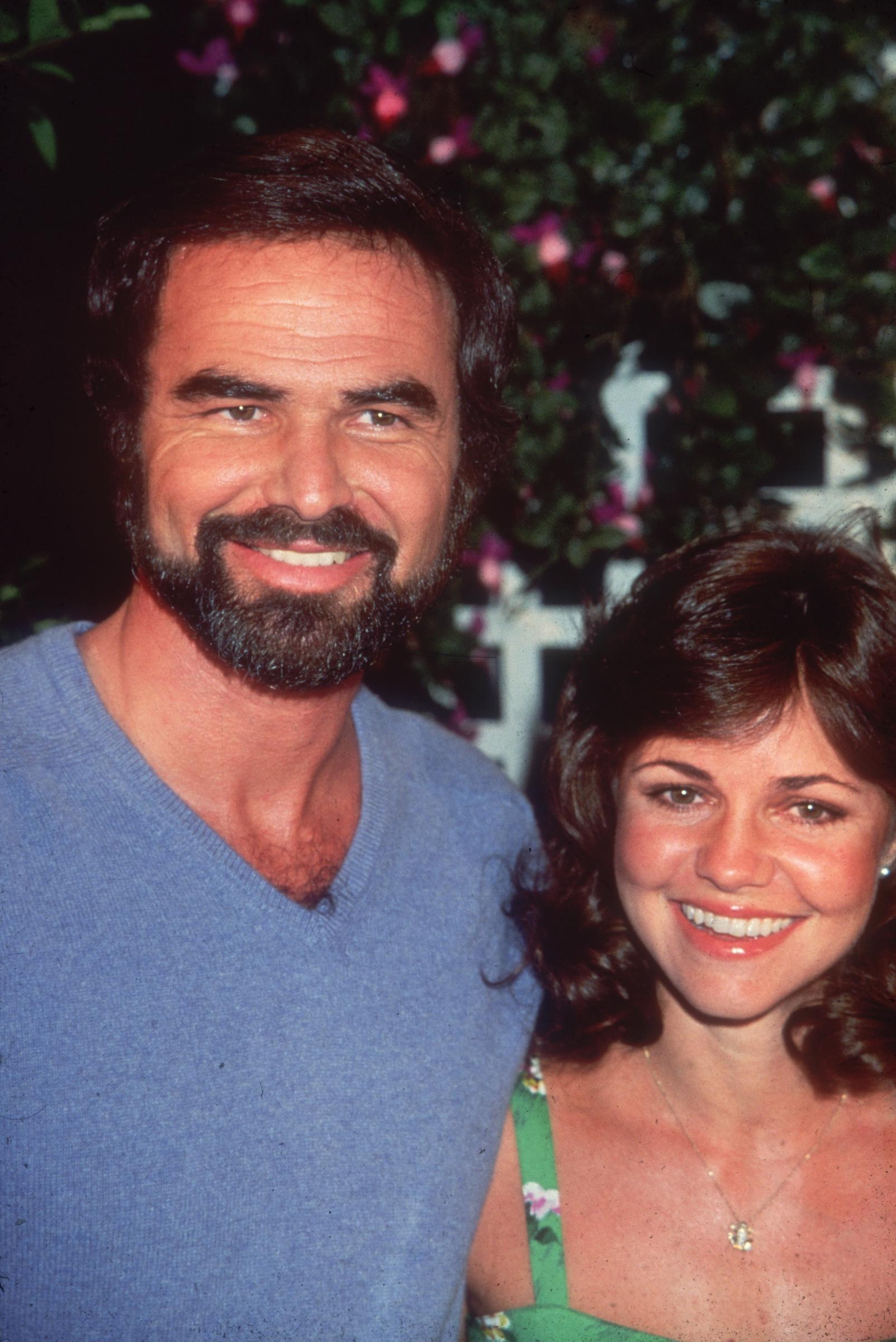
Field pointed out that Reynolds was already affected by his success when they met, suggesting that his controlling behavior eventually seeped into their relationship.
She also recounted feeling humiliated by rumors of his alleged infidelity. Field remembered receiving calls from family members, feeling foolish amidst the gossip.
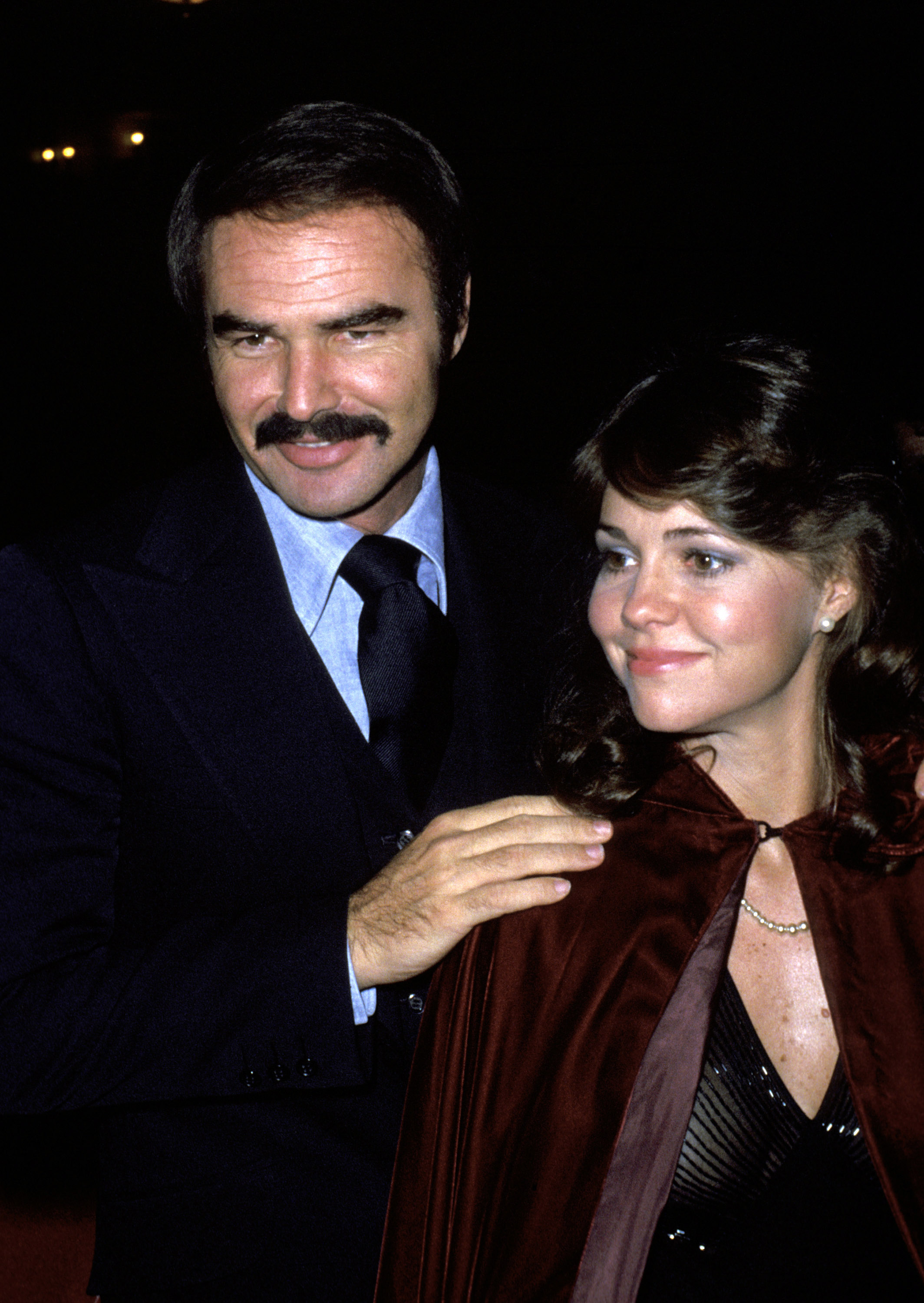
Their relationship ultimately ended after numerous ups and downs. Reynolds later expressed remorse over the separation, admitting that the sense of loss lingered. In 2015, over thirty years since their breakup, he publicly stated that Field was ‘the love of my life.’
Reynolds held himself accountable for their split. He claimed that Field never reached out to him afterward, although he mentioned that one of her sons indicated she still spoke fondly of him.
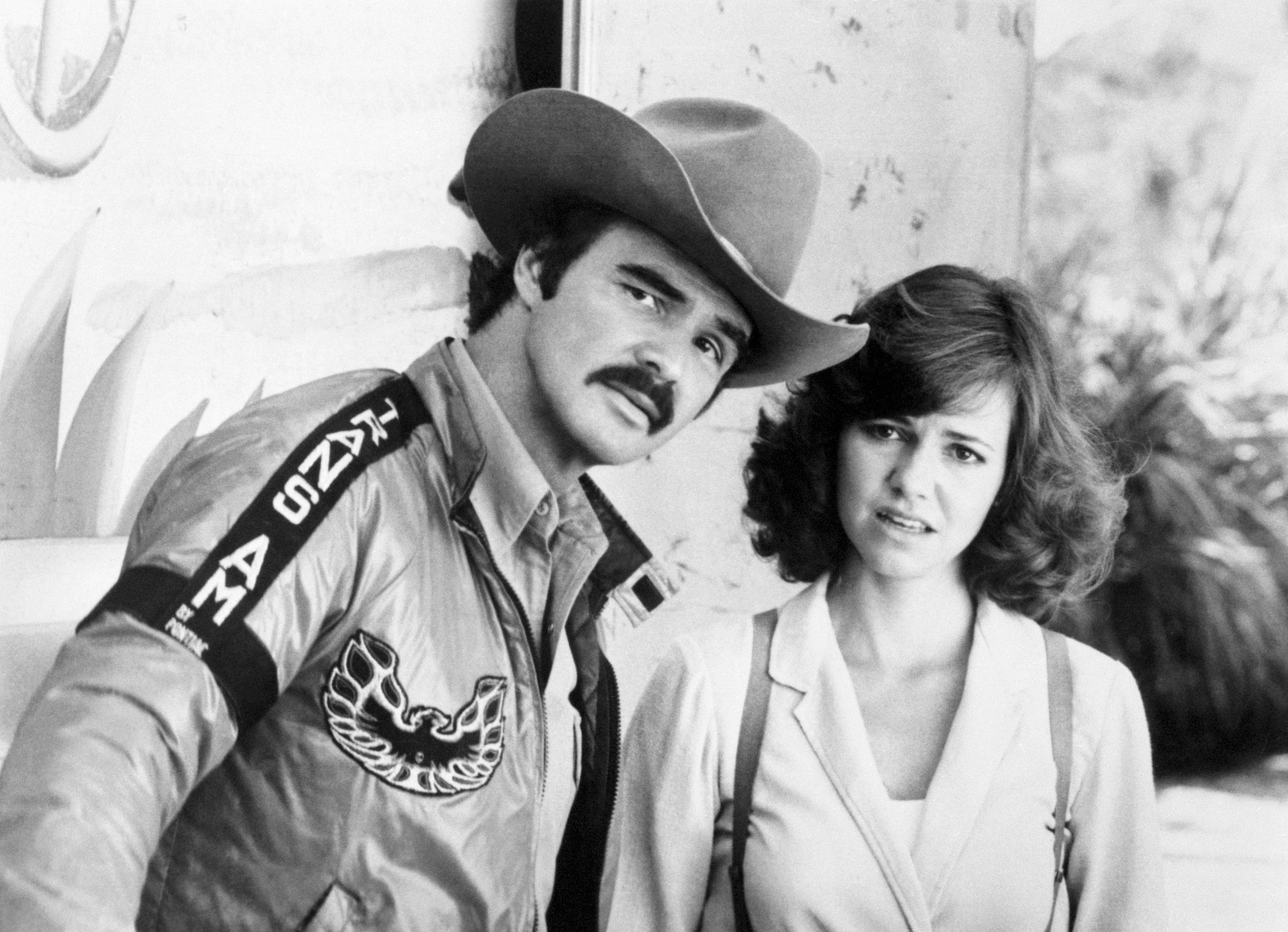
Field chose not to reconnect. She believed Reynolds attempted to communicate with her through interviews and the media, a pattern he had followed during their relationship. They reportedly did not communicate for the last 30 years of Reynolds’ life. However, Field acknowledged his significance in her past.
Despite her hesitance, Field did not fully address Reynolds’ portrayal of her as his great love until after his passing. She mentioned feeling flattered by his affectionate remarks.
Following Reynolds’ death, Field stated that he would always be part of her history and her heart, affirming that she would cherish the years they spent together.
Loni Anderson: The Marriage He Regretted
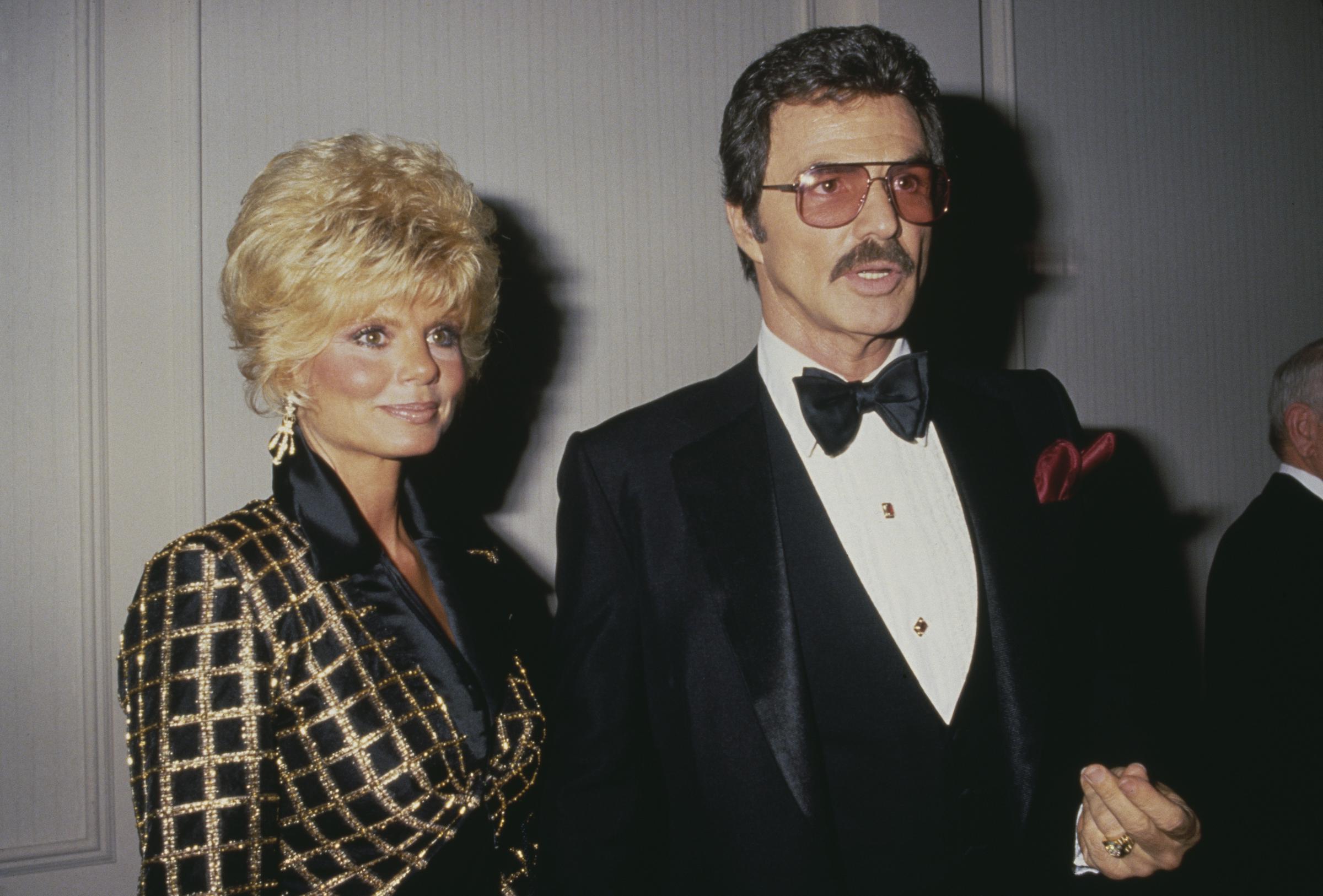
Following his relationship with Field, Reynolds began dating actress Loni Anderson, known for ‘WKRP in Cincinnati.’ They married in 1988 and adopted a son named Quinton.
The couple’s glamorous persona made them one of the most photographed celebrity duos during the late ’80s and early ’90s. However, behind the scenes, their relationship was crumbling.
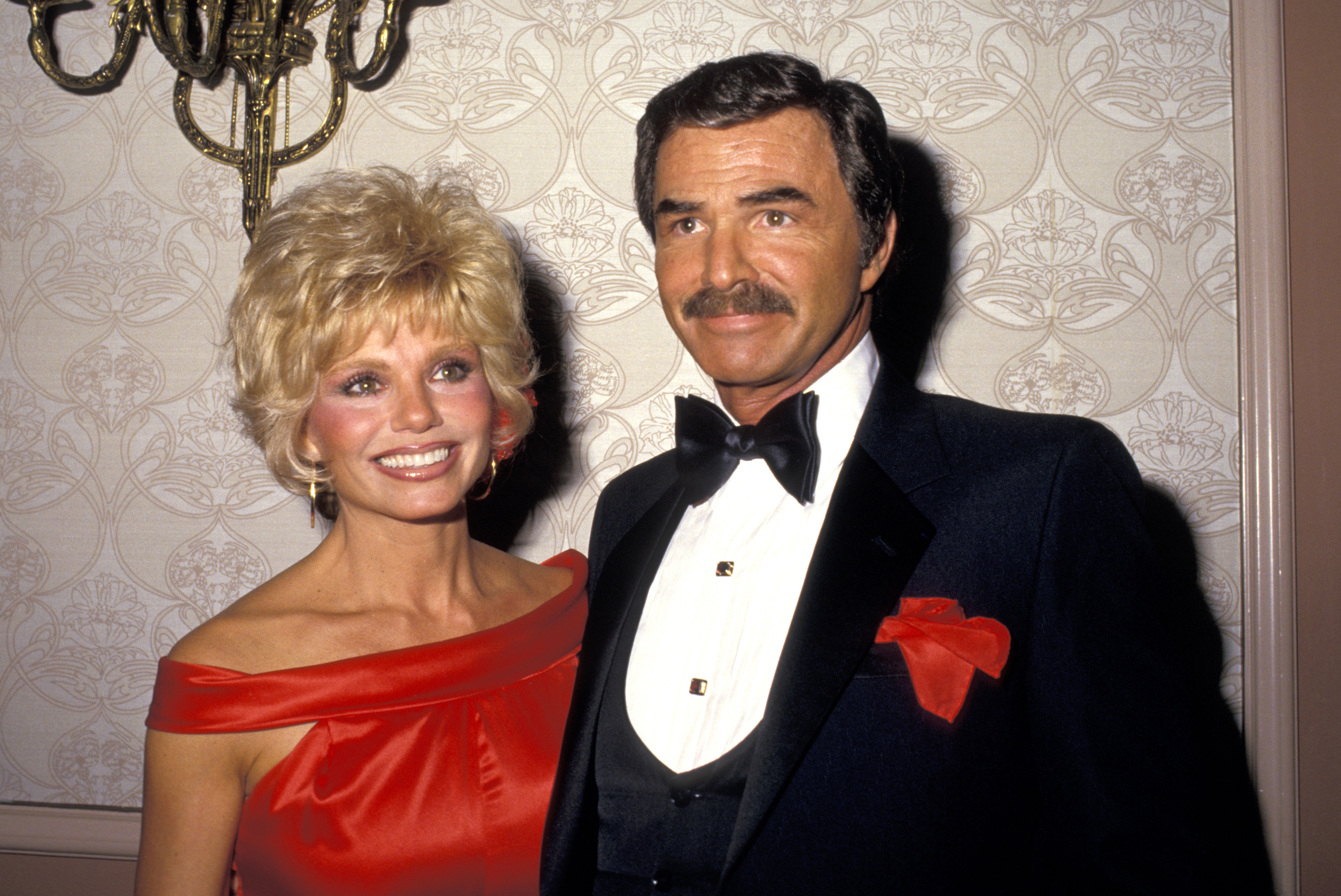
In a 2015 interview with a magazine, Reynolds delivered a shocking evaluation of his choice to marry Anderson. ‘I should have realized that marrying an actress was a mistake,’ he remarked. ‘That was a really dumb move on my part.’
These comments were made while he promoted his memoir, ‘But Enough About Me,’ in which he depicted Anderson as a lavish spender.
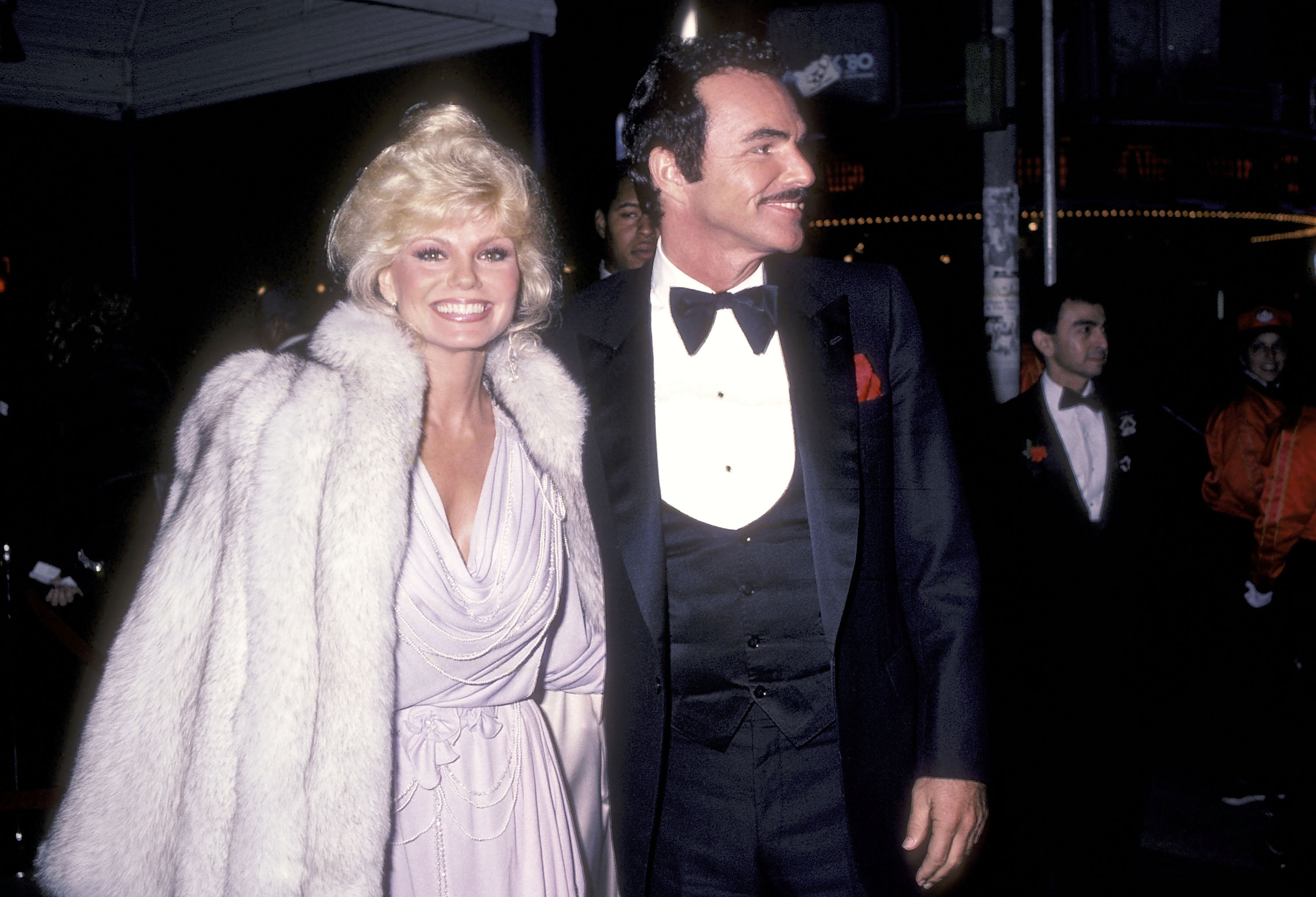
Reynolds claimed that Anderson had a tendency to buy clothing, jewelry, and household items in multiples. He recalled her stating that once a dress had been photographed, she wouldn’t wear it again because she needed to maintain her star image.
He also asserted that after giving her a platinum American Express card with a $45,000 limit, she maxed it out in just half an hour.
These assertions represented Reynolds’ side of the story, which contrasted sharply with Anderson’s public narrative.
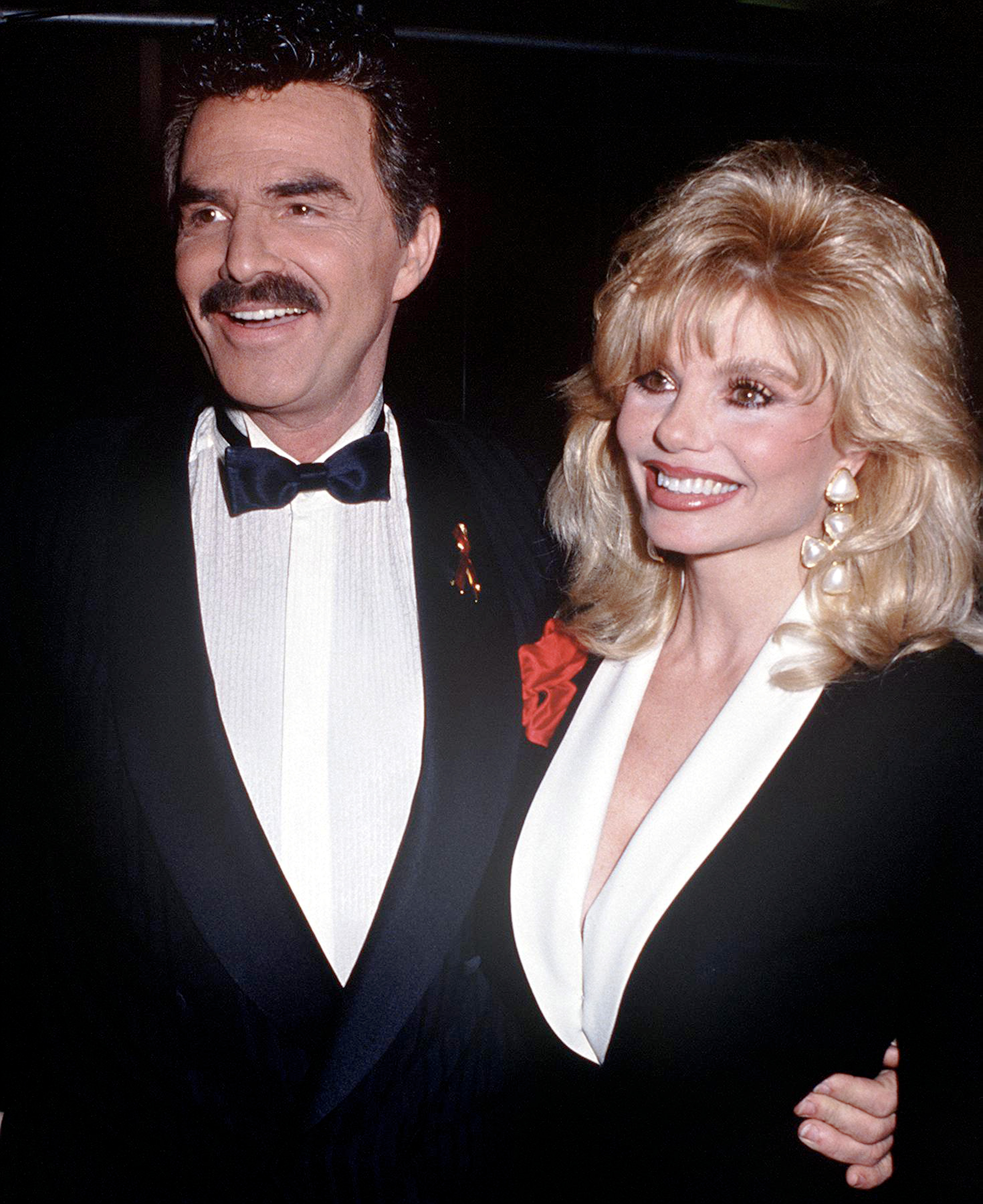
Their separation in 1993 became such a sensational story that Reynolds claimed even Princess Diana took notice. He reported that Diana sent him a thank-you note for preventing her from appearing on the cover of PEOPLE magazine.
Reynolds characterized their relationship as far from idyllic, stating it was not ‘all lollipops and roses.’ When asked how Anderson might react to his memoir, he responded, ‘She’ll be surprised it isn’t more critical.’
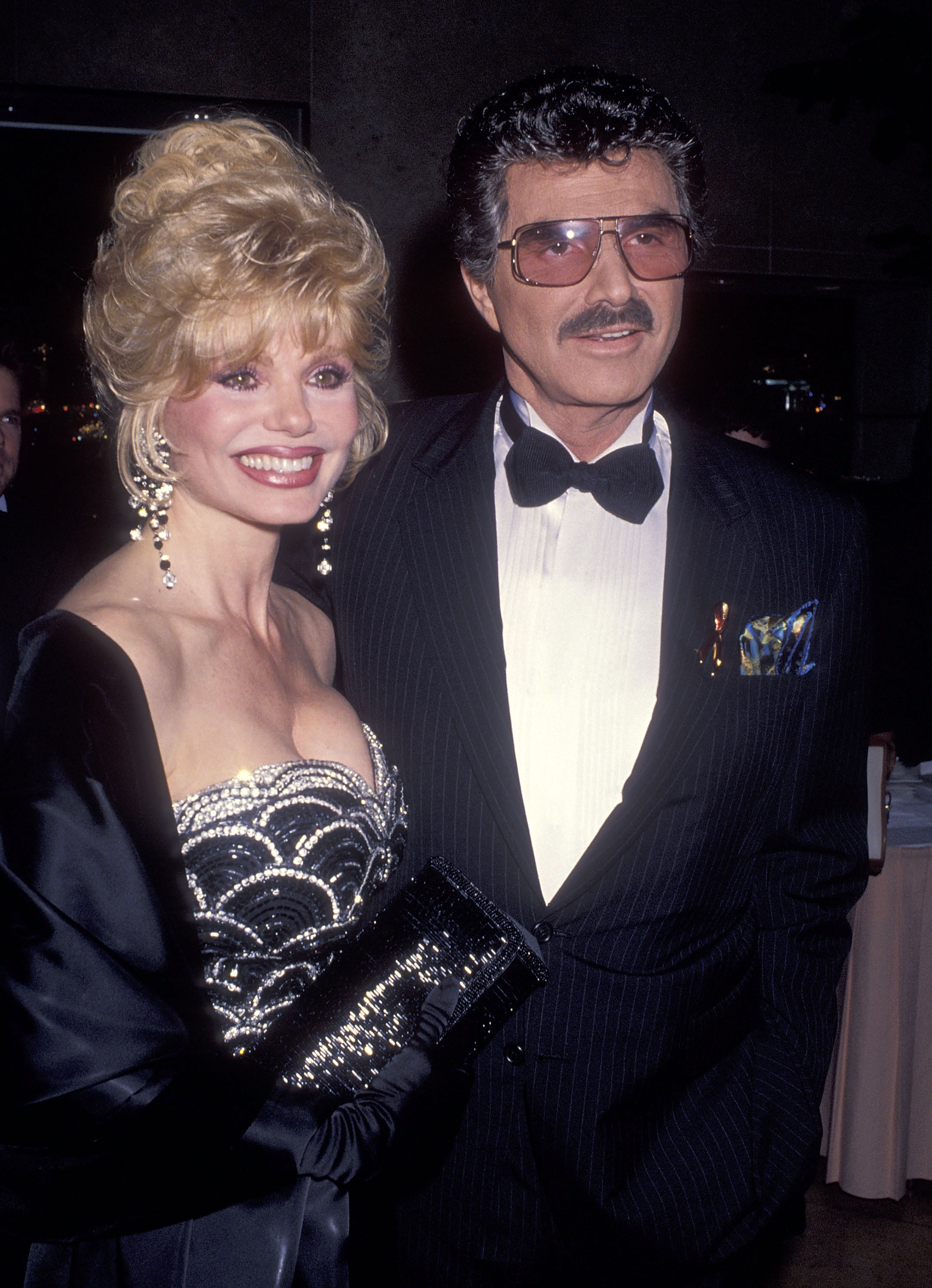
Later, Anderson made alarming accusations about their marriage. In a report from 1995, she claimed that Reynolds had physically abused her, although he disputed these allegations.
Anderson expressed that the physical abuse was often linked to his substance use. She alleged that she endured beatings that left bruises on her body but avoided injury to her face, often fabricating stories to conceal the truth.
Dinah Shore: The Heartbreak That Left Reynolds Devastated
Prior to his relationships with Field and Anderson, Reynolds had a notable romance with singer and television personality Dinah Shore.
Shore was born in 1916, and Reynolds in 1936, creating a significant age gap of around 20 years, which drew public attention. Despite this, Reynolds consistently spoke of Shore with great respect.
Reynolds dated Shore in the 1970s but eventually recognized that he wanted children, a desire that influenced his decision to part ways. Even years later, he found it challenging to say anything negative about her.
Reynolds stated, ‘There’s nobody better. I never heard her speak ill of anyone.’ He marveled at her ability to maintain such positivity.
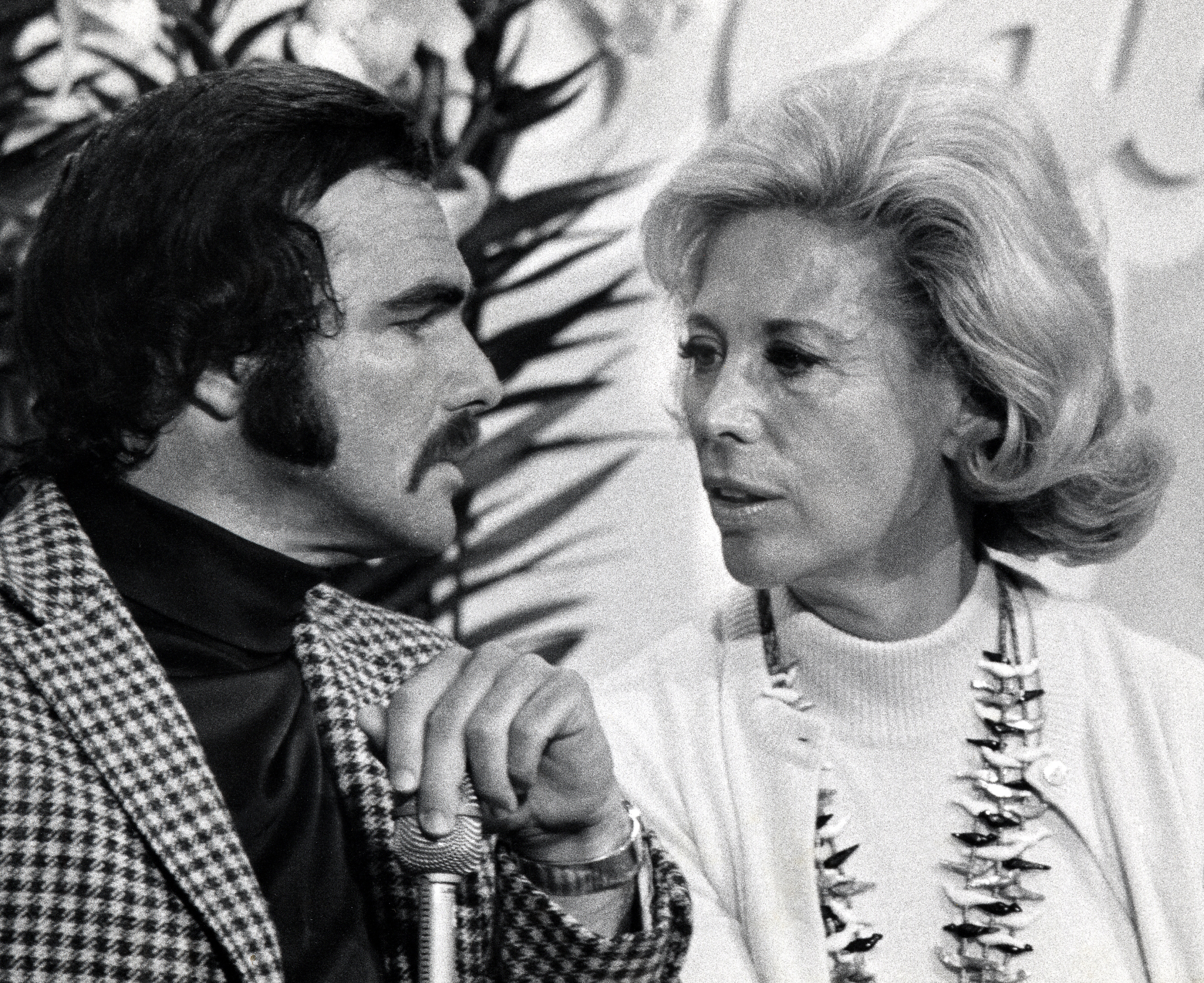
His memoir reveals the sadness surrounding their breakup. In an excerpt from ‘But Enough About Me,’ he described leaving Shore as ‘the hardest thing I’d ever done.’
He recalled Shore sitting calmly with a handkerchief while he struggled to maintain his composure. ‘I missed her the moment I stepped out the door. I could barely cope for weeks,’ he wrote.
His feelings of regret persisted over time. Reflecting on both Shore and Field, Reynolds confessed, ‘I moved on from them much too soon, and they likely moved on a bit too late.’
Shore passed away in 1994, yet Reynolds continued to speak of her with fondness and sorrow until the end of his life.
Pam Seals: A Prolonged Relationship Marked by Legal Disputes
Pam Seals, a former cheerleader for the Tampa Bay Rowdies and a cocktail waitress, became Reynolds’ partner during the decline of his marriage to Anderson.
According to a thorough account, Seals and Reynolds first crossed paths in 1988, shortly before his wedding to Anderson. They maintained a friendship and Seals later visited the set of his show ‘B.L. Stryker’ in 1989.
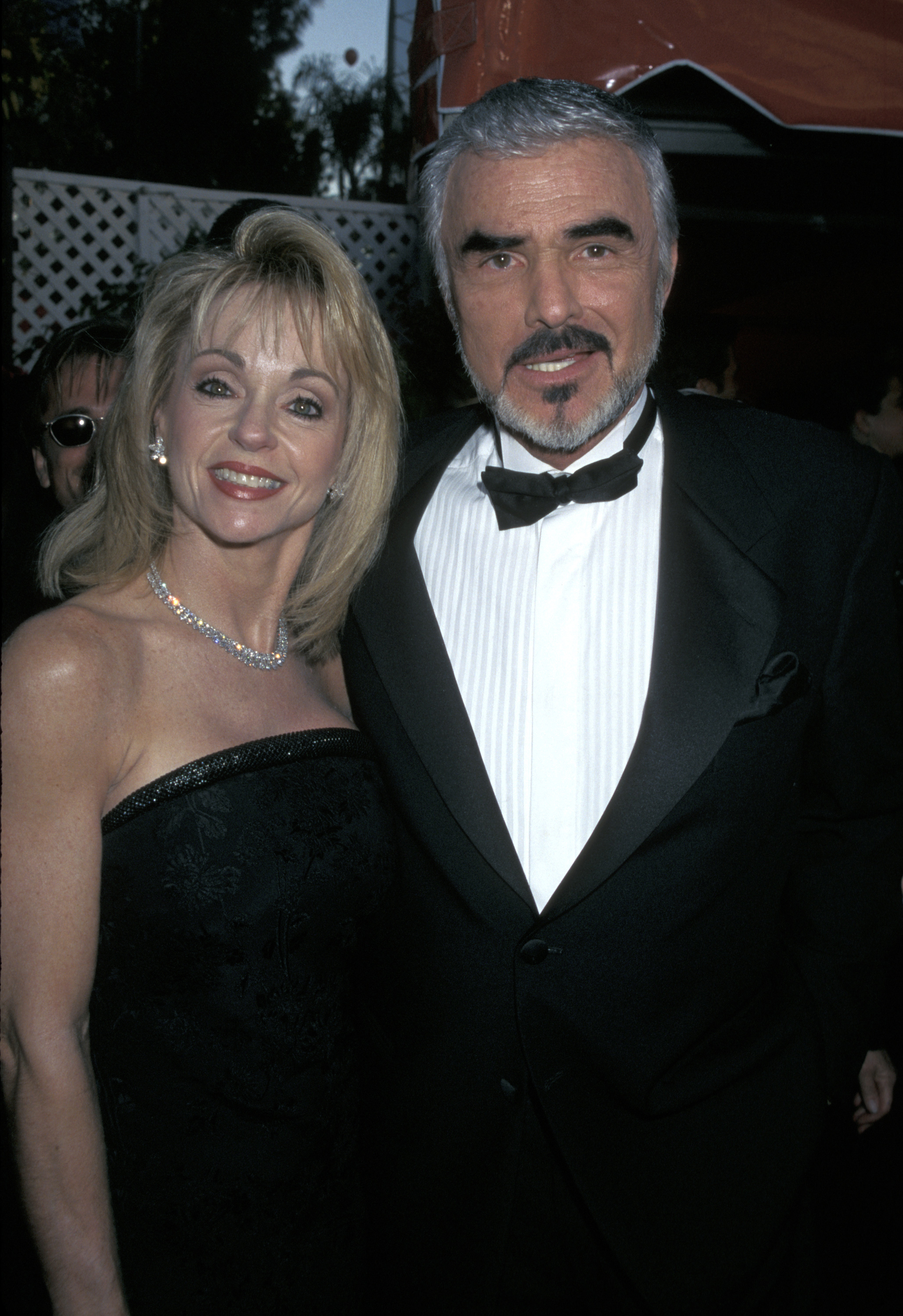
The nature of their relationship reportedly shifted to romantic in 1991 after reconnecting in Flat Rock, North Carolina. Seals reminisced about their first kiss being ‘sweet and gentle.’ By 1993, Reynolds publicly acknowledged their two-year involvement.
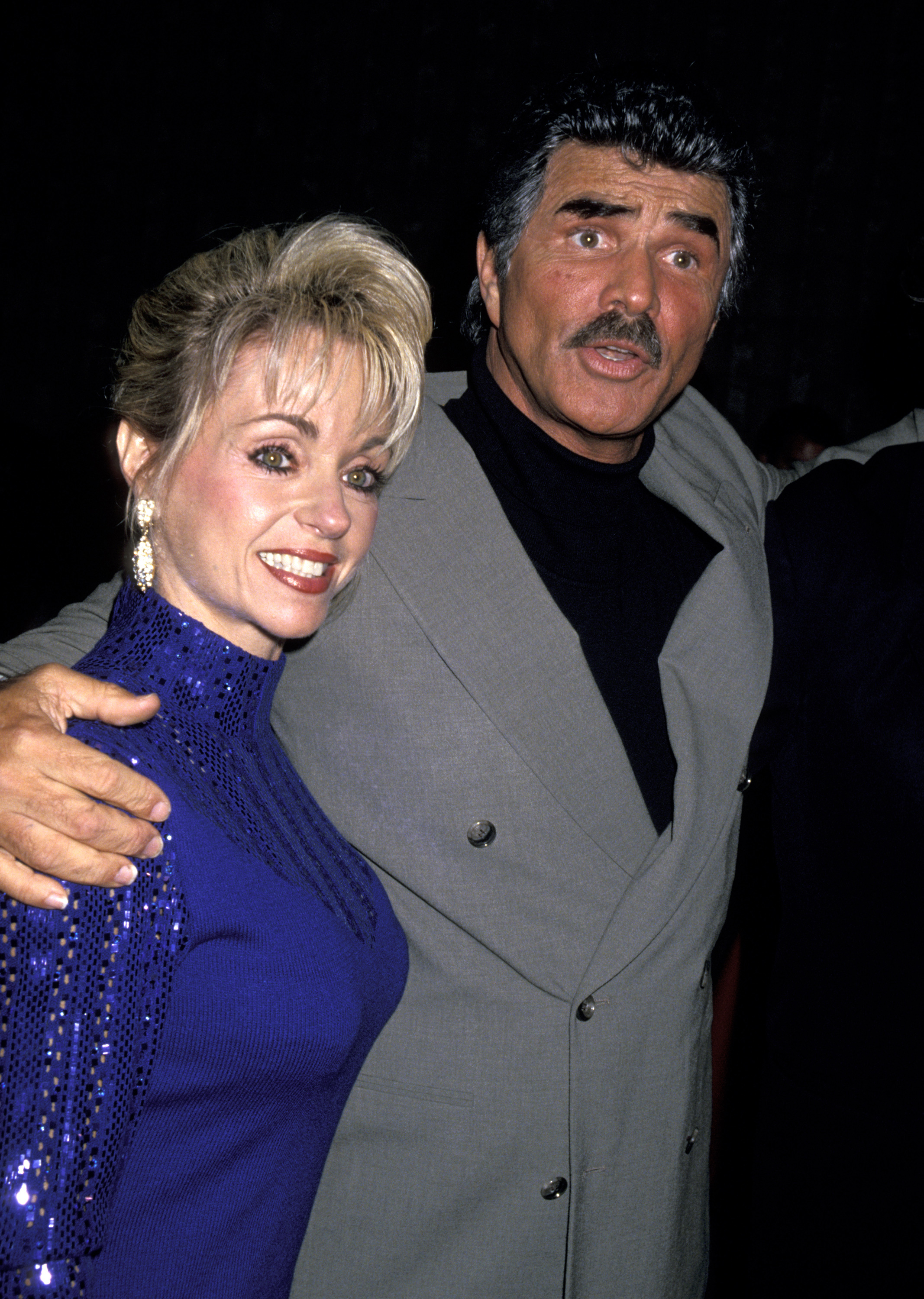
When their affair came to light, Reynolds claimed his marriage to Anderson had already been an ’empty shell’ for two and a half years.
He and Seals were said to have participated in a story for the National Enquirer regarding their relationship. Reynolds alleged that Seals received $150,000 for the article, which he claimed was largely donated to children’s charities.
During an appearance on ‘Good Morning America,’ Reynolds expressed, ‘I like her a lot, and I believe I love her.’
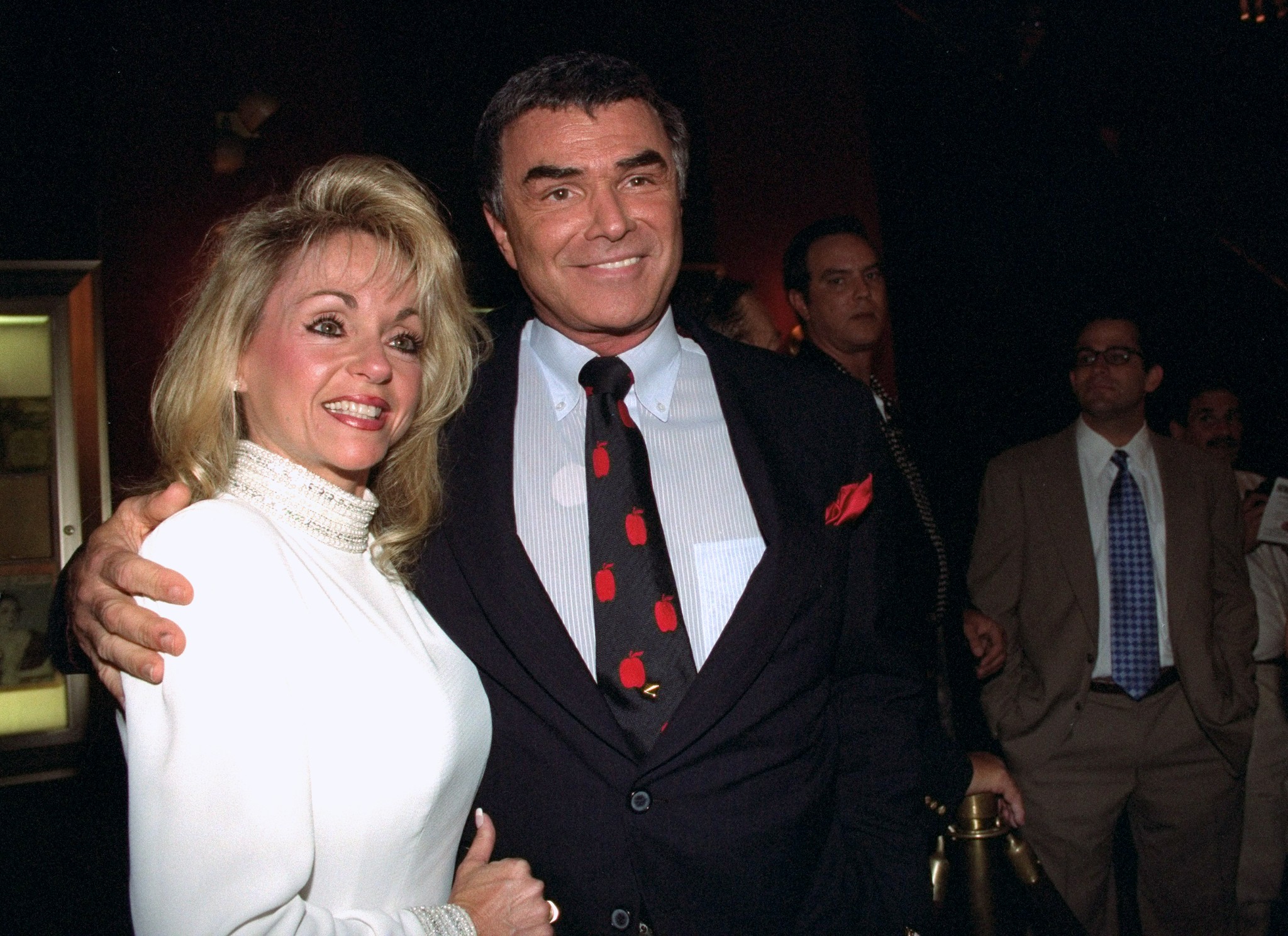
Despite the public acknowledgment, Reynolds initially downplayed the seriousness of their relationship, stating they were not engaged or cohabitating, though they shared a home for around 12 years.
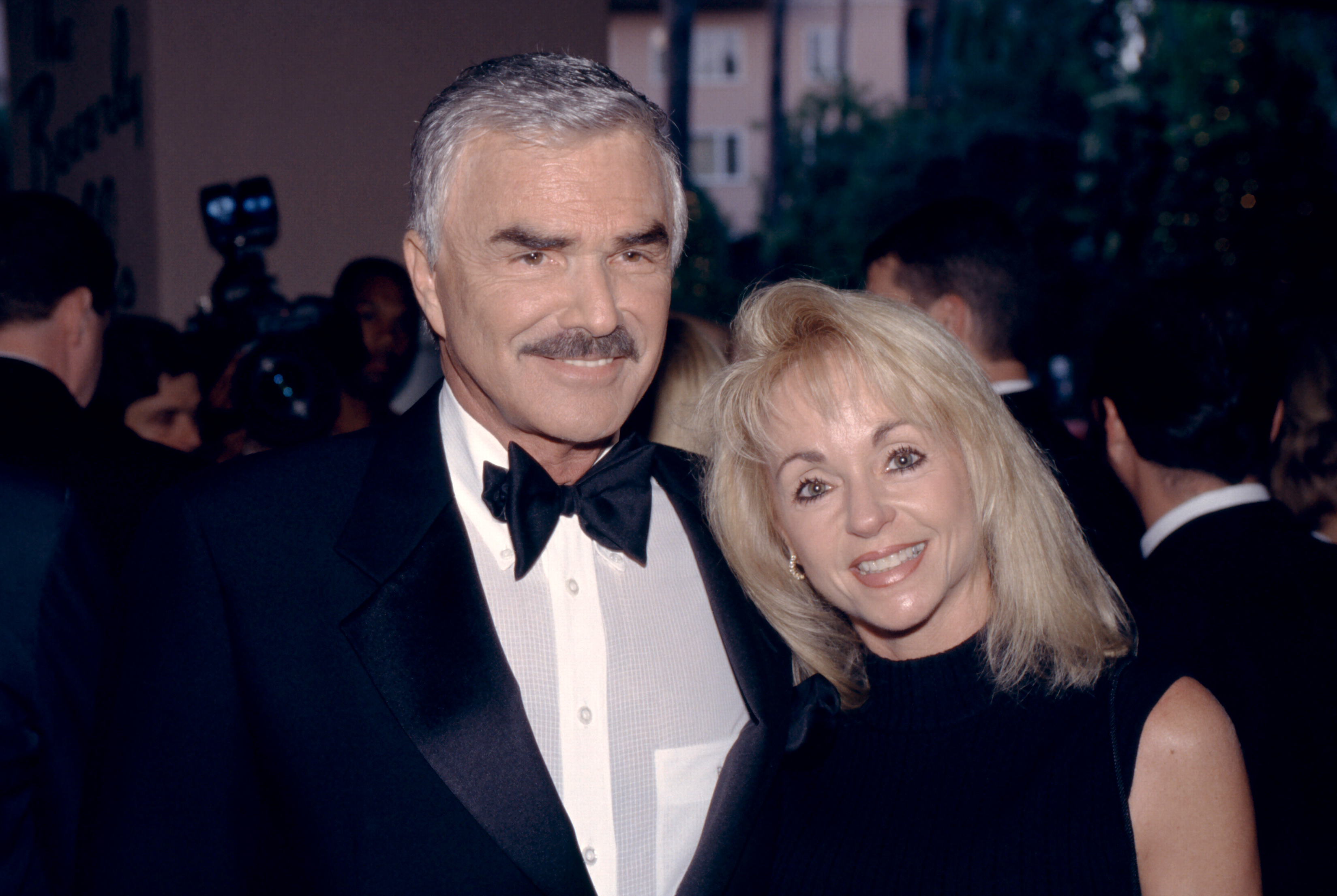
Reynolds’ divorce from Anderson allegedly cost him millions, with reports suggesting he spent over $2 million by December 1994, while monthly divorce-related expenses reached around $47,000.
In 1995, he filed for bankruptcy. Seals remained by his side during much of this challenging financial period, although they never married.
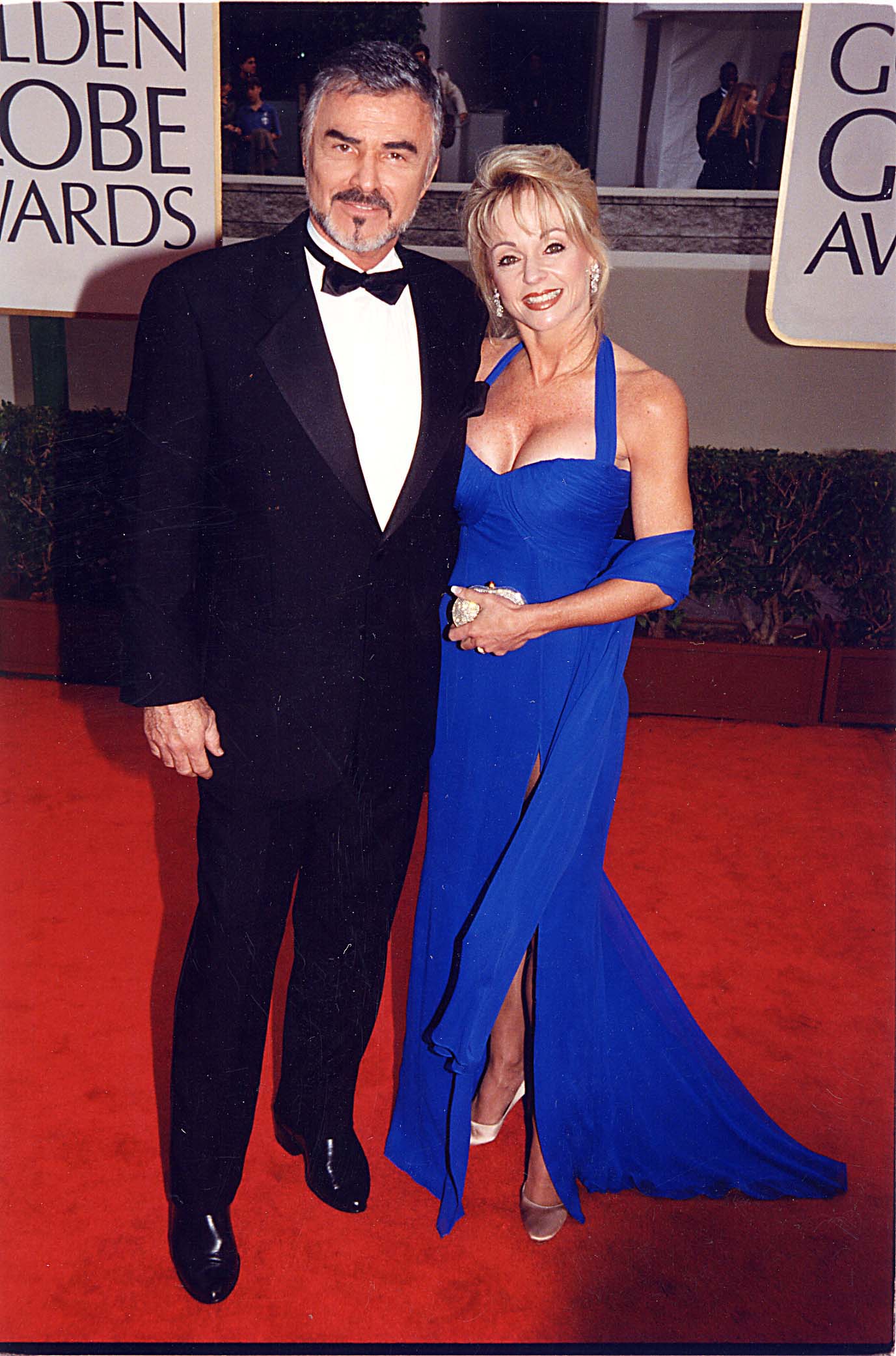
Reynolds did not resolve his financial obligations to Anderson until 2015 when he made a final payment of $154,520. By that point, his relationship with Seals had also come to an end, marked by legal disputes.
Seals and Reynolds parted ways in 2004. His attorney indicated that the split began on amicable terms, and Reynolds even purchased Seals a $500,000 condo in Palm Beach Gardens, Florida, placing it in her name.
However, Reynolds’ side later claimed Seals demanded more money and threatened to expose allegations of abuse and drug addiction.
On November 8, 2004, Reynolds filed a lawsuit against Seals, accusing her of attempting to extort millions of dollars through false allegations. He claimed she fabricated accusations of him yelling and stomping on her toes.
In response, Seals filed her own lawsuit in Los Angeles, pursuing a palimony claim due to California’s recognition of certain financial entitlements between unmarried partners, in contrast to Florida law.
Seals alleged that Reynolds requested she leave her job, move in with him, and serve as his companion and homemaker, promising lifelong financial support for her and her mother. She sought a share of the assets accumulated during their time together, including Reynolds’ Jupiter home, valued at nearly $2.5 million.
Additionally, she sought approximately $50,000 for credit card debt she claimed to have incurred on Reynolds’ behalf. Her lawsuit also stated that she had acted as a homemaker, social partner, and caretaker for his child, while accusing Reynolds of physical and verbal abuse between 1998 and 2000.
Court documents attributed to Seals detailed instances of alleged physical abuse, which Reynolds firmly denied, viewing the accusations as tactics for financial gain.
Disputes also arose regarding the condominium, with Seals’ attorney asserting Reynolds had only covered the down payment before halting mortgage payments, leaving her unable to keep the property. Reynolds’ representatives contended that Florida law did not obligate him to provide further support since they were never married.
In June 2005, both parties agreed to a settlement regarding their Florida and California cases. Neither Reynolds nor Seals admitted any wrongdoing, with the financial details kept confidential, bringing an end to their roughly 16-year relationship through legal resolution rather than emotional closure.
Judy Carne: Reynolds’ First Spouse
Long before Field, Anderson, Shore, or Seals, Reynolds was married to British actress Judy Carne. Their marriage, which ended in divorce during the mid-1960s, gained recognition after Carne became famous as the ‘sock-it-to-me’ girl on ‘Rowan & Martin’s Laugh-In.’
This relationship belonged to an earlier period in Reynolds’ life, predating his major successes with ‘Deliverance,’ ‘The Longest Yard,’ and ‘Smokey and the Bandit’ that propelled him to stardom.
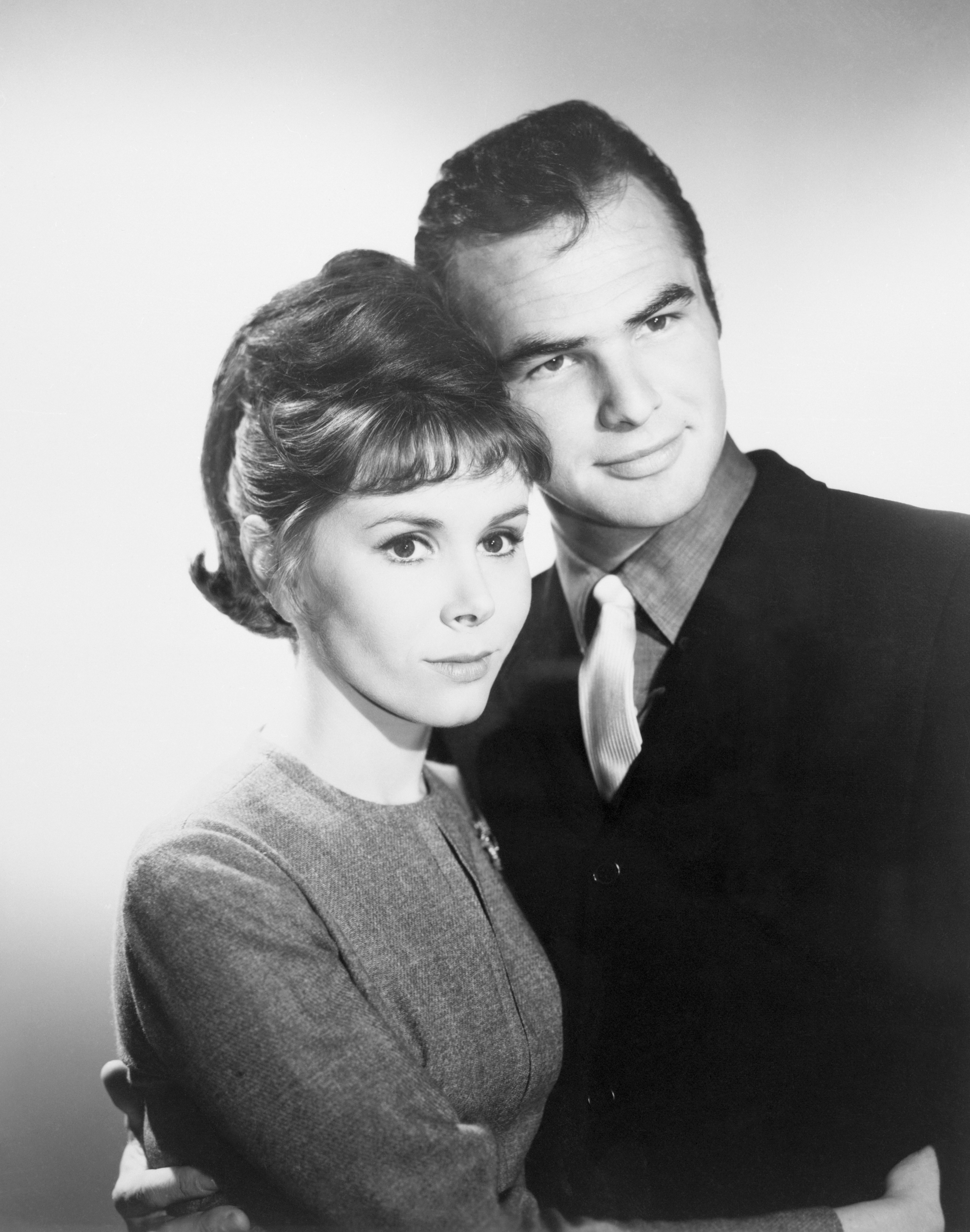
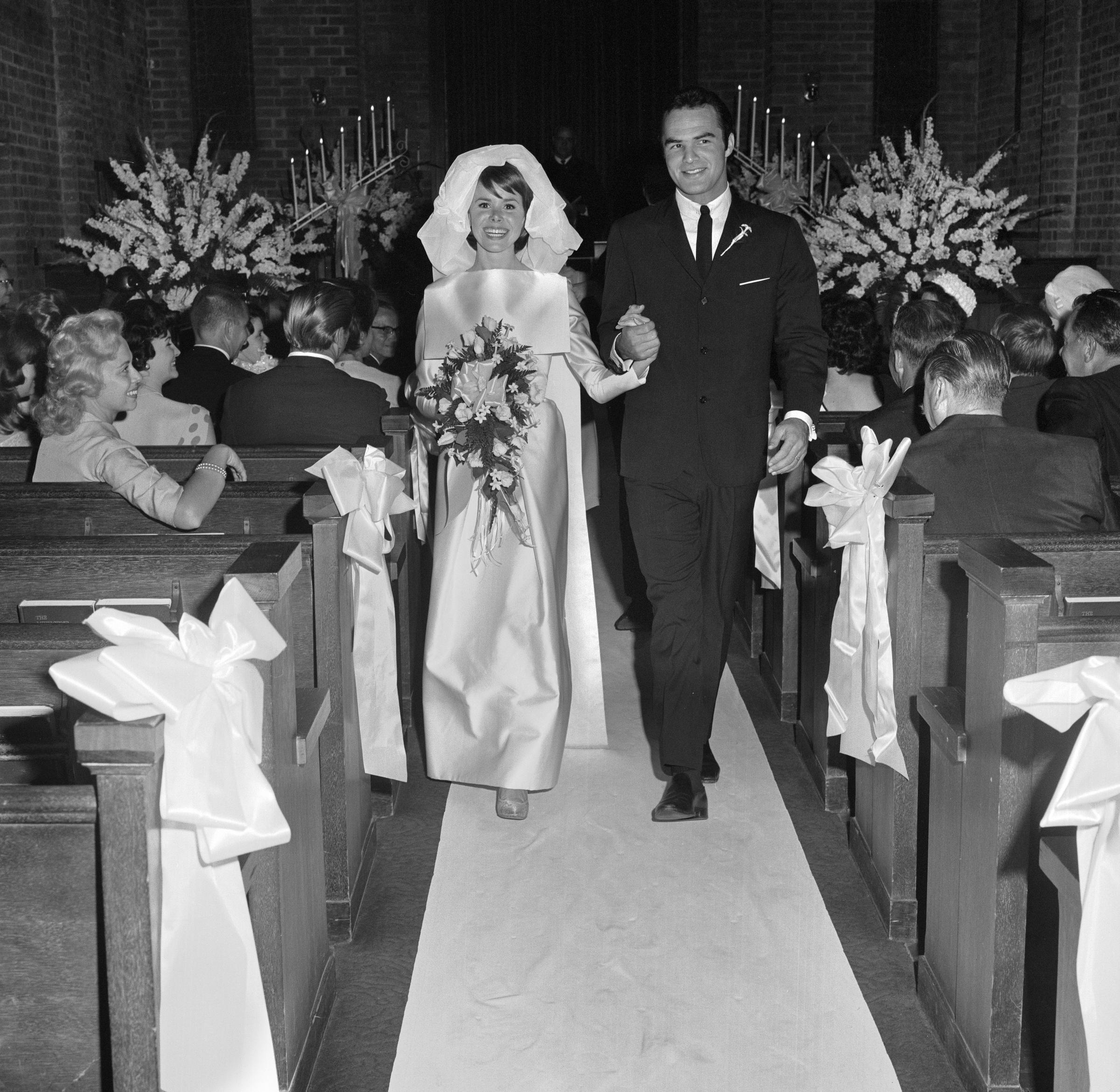
Burt Reynolds’ love life was filled with contradictions, illustrating his capacity for tenderness and regret. He remembered Shore as someone who was almost incapable of cruelty, whereas he often viewed Field as the woman he should have cherished, despite Field’s feelings of losing her identity in their relationship.
His marriage to Anderson resulted in their beloved son, Quinton, but also led to severe allegations, financial challenges, and Reynolds’ own acknowledgment that marrying her had been ‘a really dumb move.’
The lengthy partnership with Seals endured bankruptcy and career struggles before culminating in competing lawsuits, while his initial marriage to Carne belonged to a younger era of Reynolds, before fame complicated his private choices.
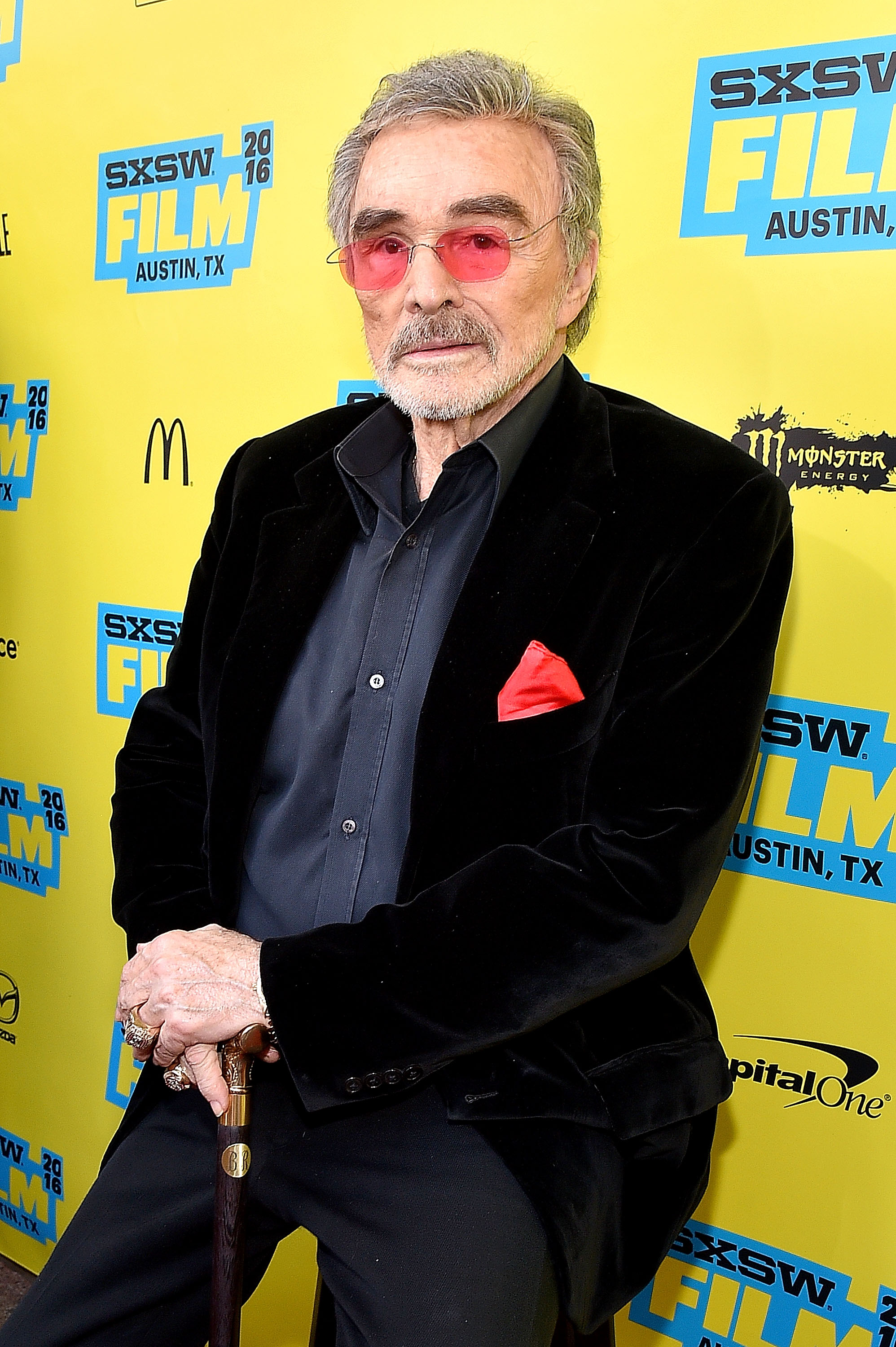
Though Reynolds often portrayed characters with perfect comebacks in his films, in his actual romantic life, his most revealing admissions often reflected on his regrets and what he wished he had done differently.