Madonnas Unforgettable Moment at the 2026 MTV VMAs Has Everyone Wondering What Happened on Stage
After a 23-year hiatus, Madonna finally graced the MTV VMAs stage again, and her return seemed crafted for a triumphant celebration. However, the cameras recorded some unexpected moments that caught everyone off guard.
By the end of the night, the 68-year-old singer had snagged seven awards, including a highlight honor of the evening. Nevertheless, many viewers found themselves fixated on a different aspect of her performance and were left pondering the same question.
On September 27, Madonna made her highly anticipated return to the MTV Video Music Awards, marking her first appearance since 2003. This lengthy hiatus allowed a new generation of pop stars to emerge, influenced by the iconic performances she had popularized.
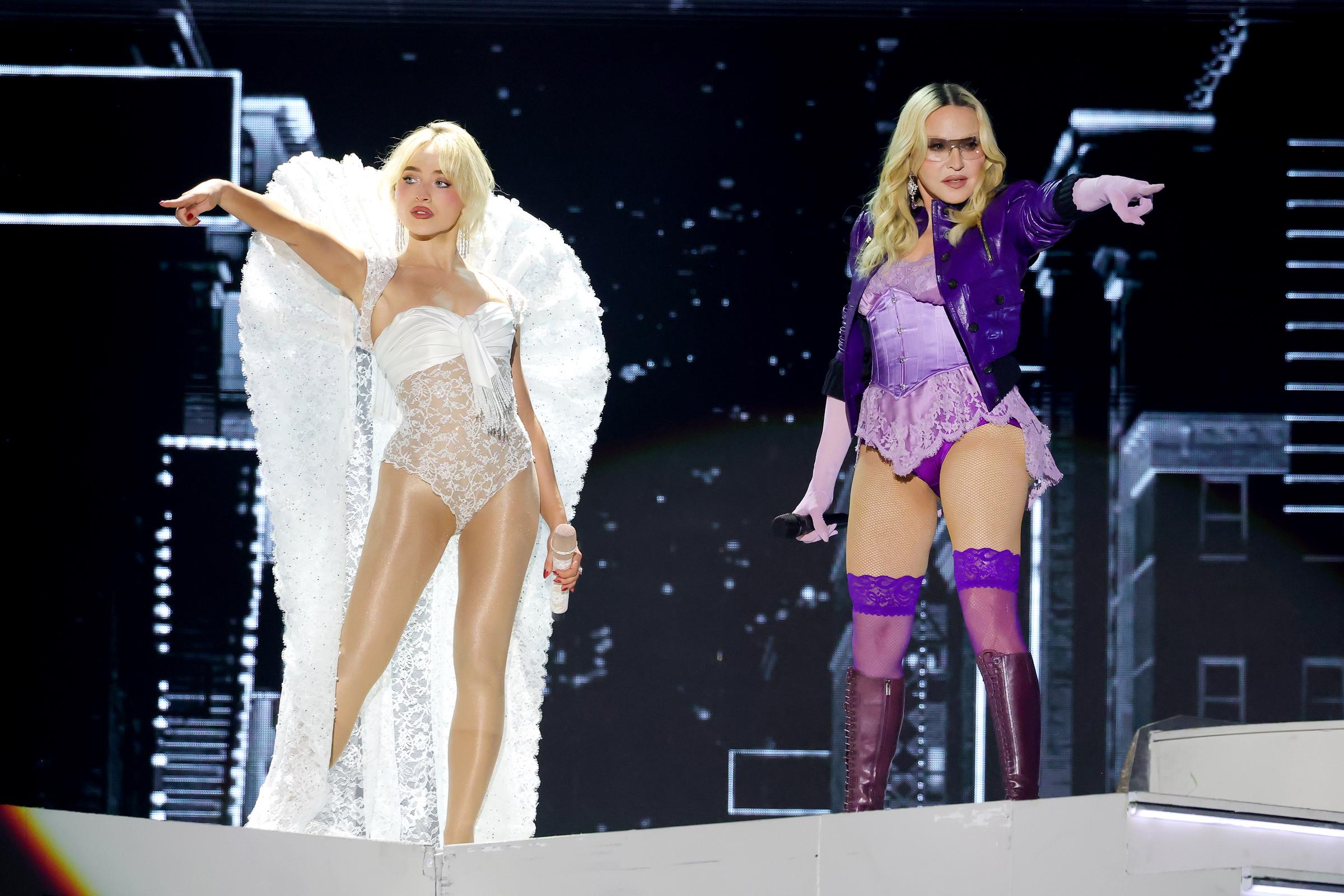
Her comeback was anything but subtle. She kicked off the show alongside Sabrina Carpenter and Charli XCX, transforming her appearance into a vibrant, theatrical pop extravaganza that has characterized her career for over 40 years.
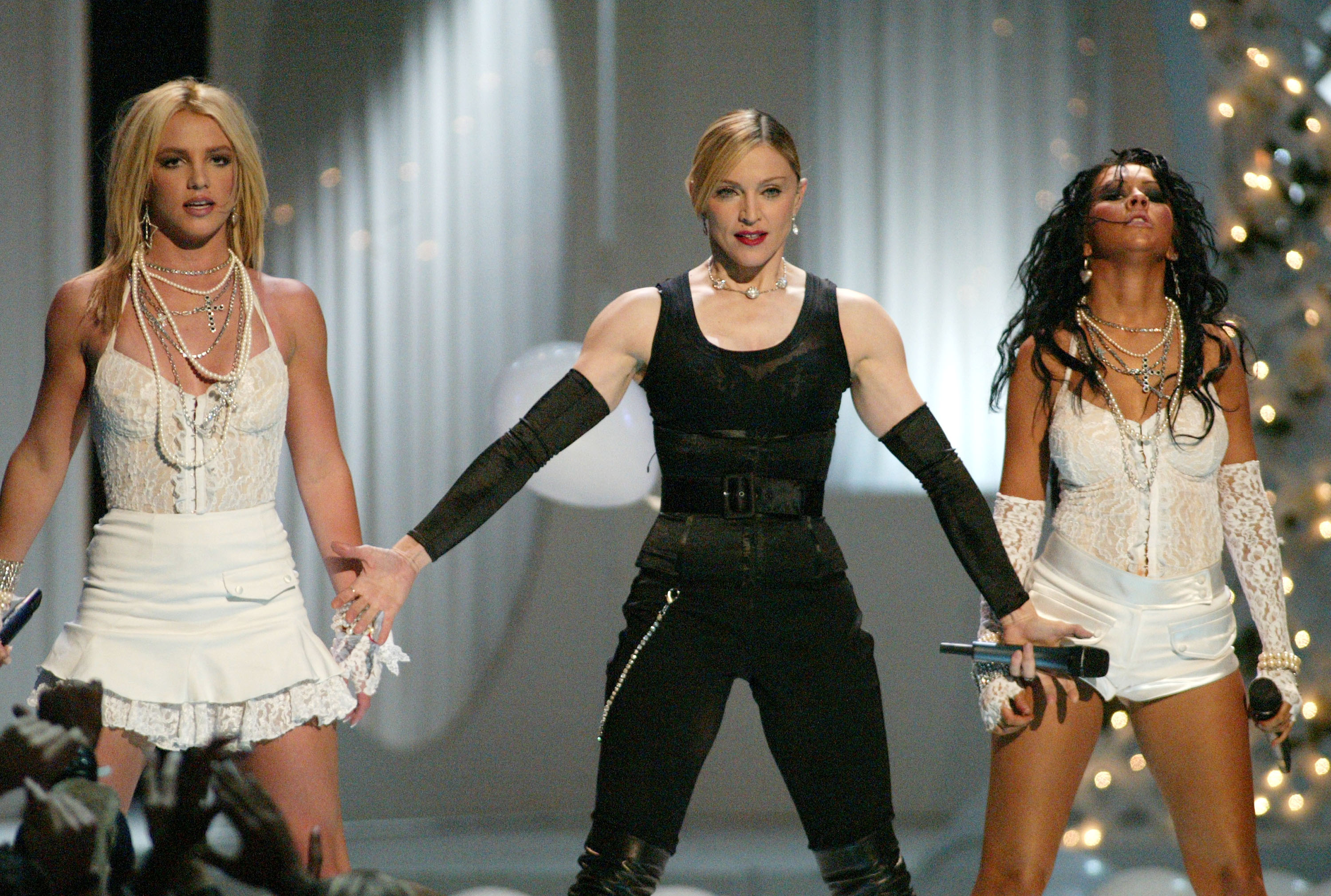
The performance commenced with Madonna and Carpenter delivering “Bring Your Love,” a collaboration from Confessions II, which would later provide them with another reason to take the stage together.
Charli XCX later teamed up with Madonna for “Danceteria Afterhours,” while Julia Garner, Debi Mazar, Sombr, Seth Rogen, and others contributed to the elaborate opening. The impressive guest lineup felt like a reunion of different eras from Madonna’s career.
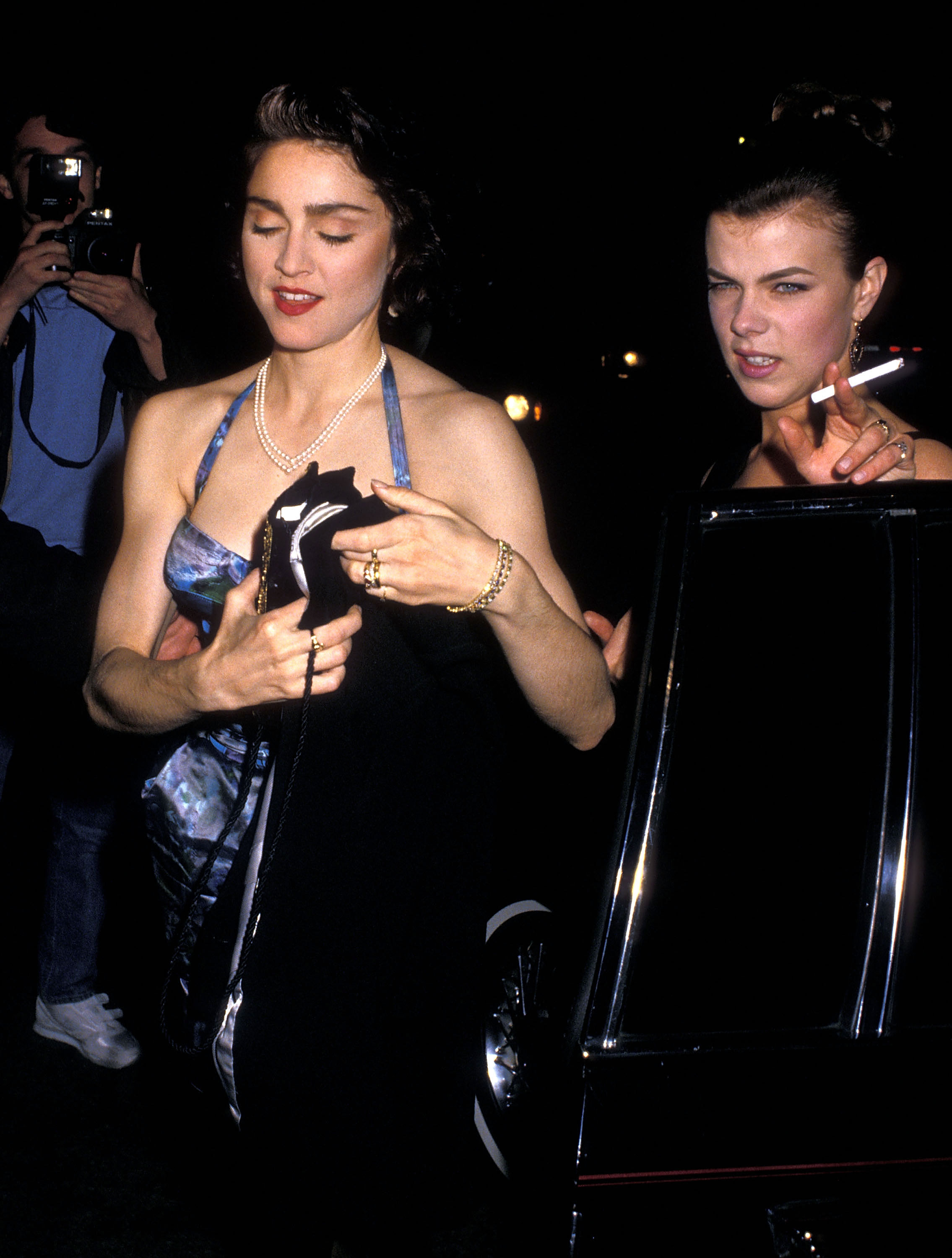
Seeing Debi Mazar on stage was particularly poignant, as Madonna has often recounted their chance meeting during her early days in New York, where clubs and dance floors became her creative birthplace and community.
Julia Garner also represented a connection to both Madonna’s past and future, given her involvement in a long-anticipated film project focused on the singer’s life, which added another layer for devoted fans to appreciate.
Initially, the evening seemed to embody every expectation of a Madonna comeback: a fusion of her historical significance with young talent, grand staging, notable friends, and a reminder of how the VMAs have intertwined with her journey since its inception.
However, as shorter clips from the show circulated online, the narrative shifted away from the meticulously curated spectacle. Audiences began to focus on unscripted moments that revealed unexpected vulnerabilities.
Unexpected Moments
Madonna has a long history of sparking conversations at the VMAs. Since her debut in 1984, she has created memorable moments that are often spontaneous, edgy, or just slightly chaotic.
In 2026, that trend resurfaced, but not in the anticipated manner. Footage of Madonna’s movements, speech, and reactions on stage started garnering attention almost eclipsing the actual performances.
One notable clip depicted Madonna being assisted by dancers as they lifted her onto the platform. Viewers began to scrutinize her movements, questioning whether she was struggling during that segment.
One social media post captured the sentiment: “Why was Madonna struggling so much right here 😭 #vmas 🫠”.

Another response felt more uneasy: “Gotta be honest Madonna makes me very uncomfortable,” while others commented on her appearance, asking, “Why does she look like she’s lost her neck?”.


Viewer reactions were unfiltered, and opinions varied significantly. One person condemned the treatment she received, remarking, “That’s messed up that they did that to her. They just threw her there.”.

As various clips continued to circulate, the discussion evolved. Some perceived a seasoned performer having a rough moment on live television, others expressed genuine concern, while some felt the reactions were overly critical.
If only a single moment had gone viral, the conversation may have subsided. Yet, Madonna soon returned to the microphone, and her words left many surprised.
A Surprising Acceptance Speech
Upon accepting another award, Madonna’s speech began with an uncharacteristic tone, as she seemed momentarily distracted by the microphone’s height, humorously stating, “I’m short, but not that short.”.
She also appeared to be uncertain about the award she was receiving, asking, “What is this for, again?” Charli XCX then helped clarify the category for her.
The award was for Best Dance, recognizing Confessions II – The Film.
Once she regained her composure, Madonna shifted her focus to discuss the importance of the dance floor in her life and career.
“I came to New York to be a dancer,” she shared, emphasizing how dance had shaped her existence, helped her build connections, and also led to heartache.
“We are all equal on the dance floor,” she concluded, providing a poignant reflection that contrasted with her initial uncertainty.
The footage brought back earlier discussions regarding Madonna’s physical movements. Months prior to the VMAs, she had already opened up about an existing physical challenge.
Challenges Acknowledged
In a June interview discussing Confessions II, Madonna candidly addressed her workout regimen and the physical impacts of years of dancing.
“Well, I have a bad knee now. I have no cartilage in it,” she explained, attributing this to extensive dancing in high heels, jogging on hard surfaces, and practicing Ashtanga yoga.
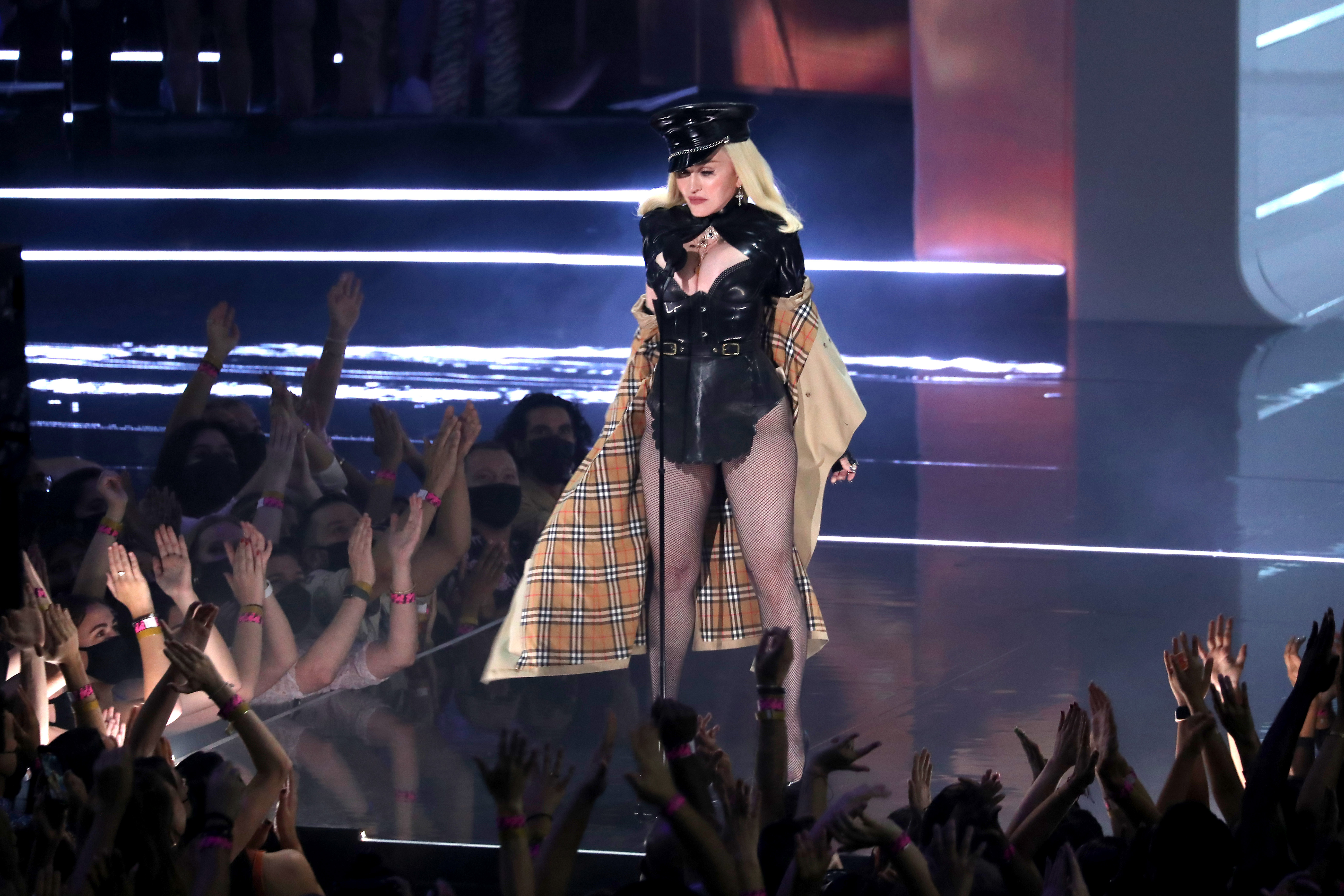
She mentioned that until about a year prior, she had still been engaging in trampoline exercises and dance cardio, but could no longer handle the repetitive strain on her joints, prompting her to modify her training approach.
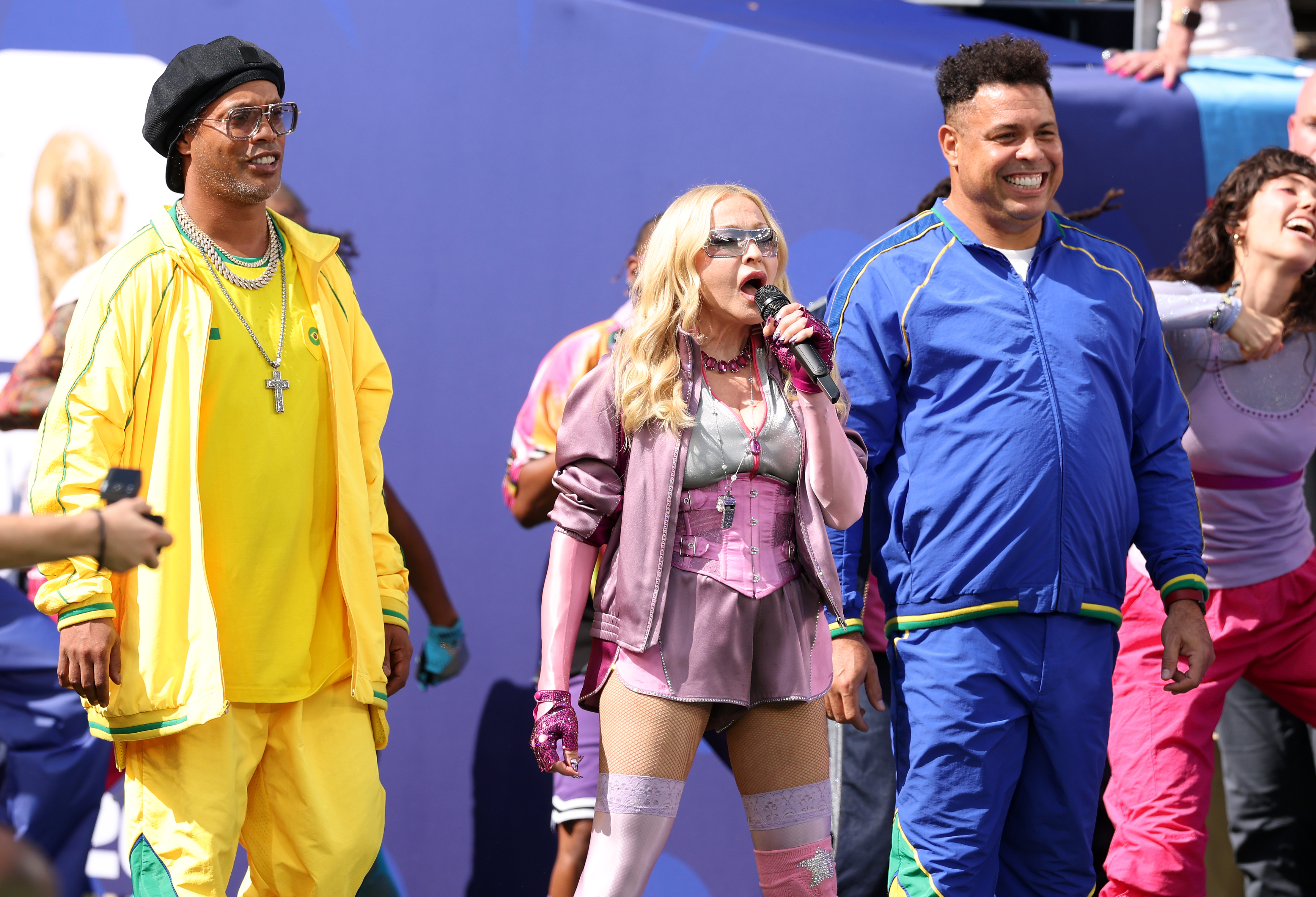
Madonna’s 2026 VMAs performance featured an elaborate opening act, multiple guest artists, choreographed routines, and several returns to the stage for award acceptance.
However, the viral moments revealed only one facet of her evening. A later speech during the same ceremony showcased a more collected side of the iconic performer.
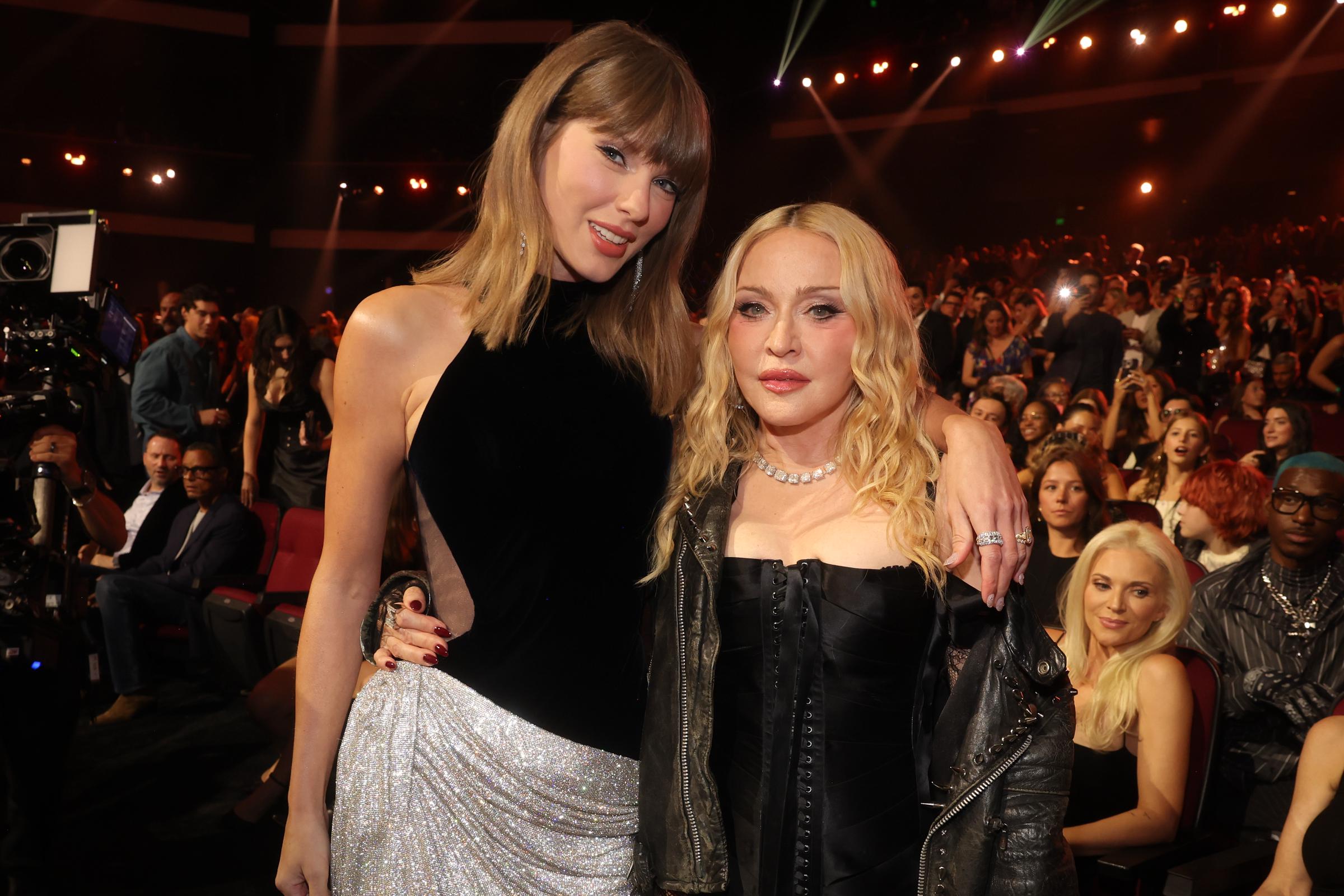
This occurred when she accepted one of the most significant honors of her career.
A Different Tone in a Major Speech
When Madonna received the Artist of the Year award, there was no need for explanation from anyone nearby regarding her achievement. She took the moment to express a deeper reflection on her journey, which had led her back to the VMAs over four decades after her debut.
She began with humor, saying, “First of all, I would like to thank my fingers because I can always count on them,” before delving into stories fans have heard snippets of over the years.
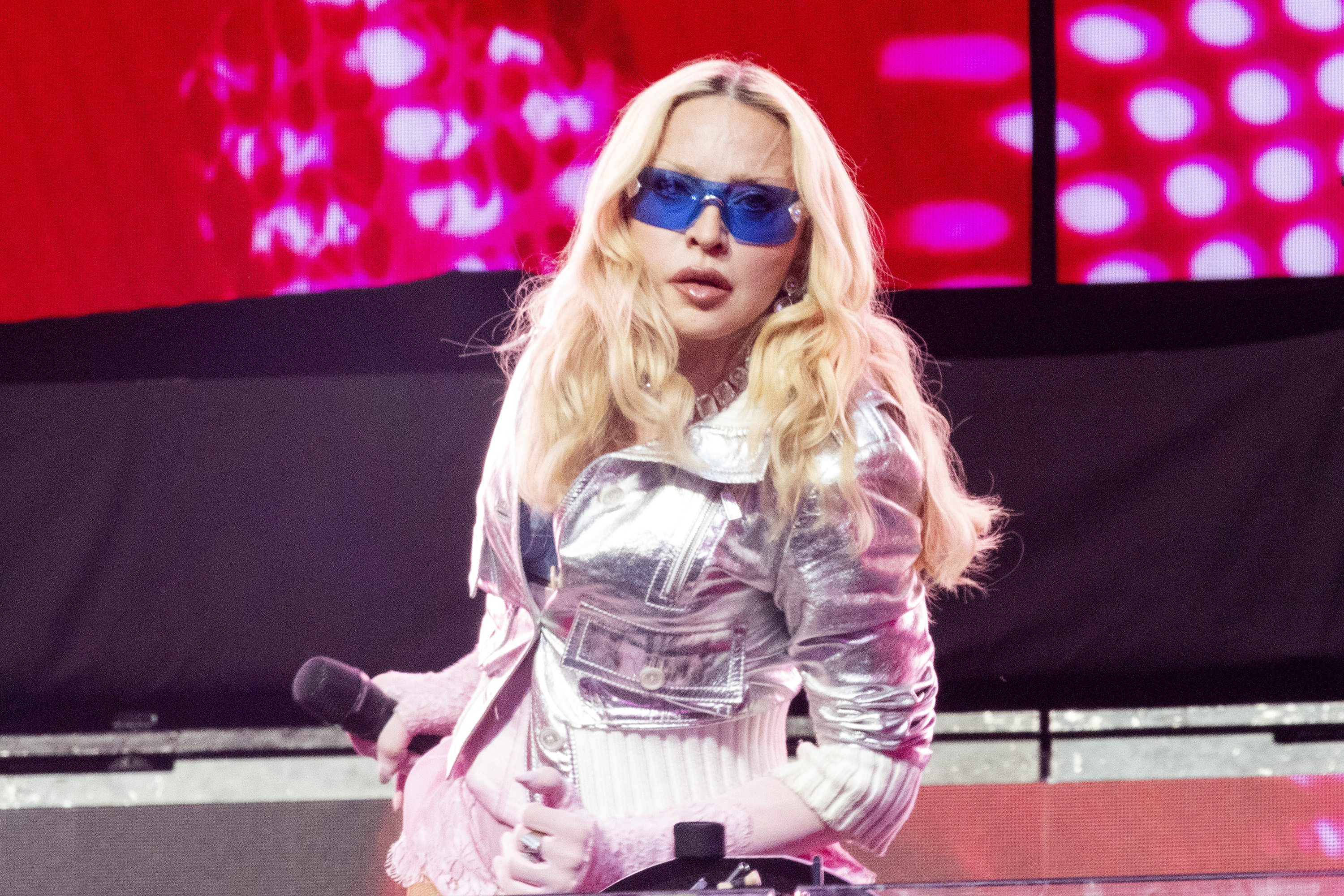
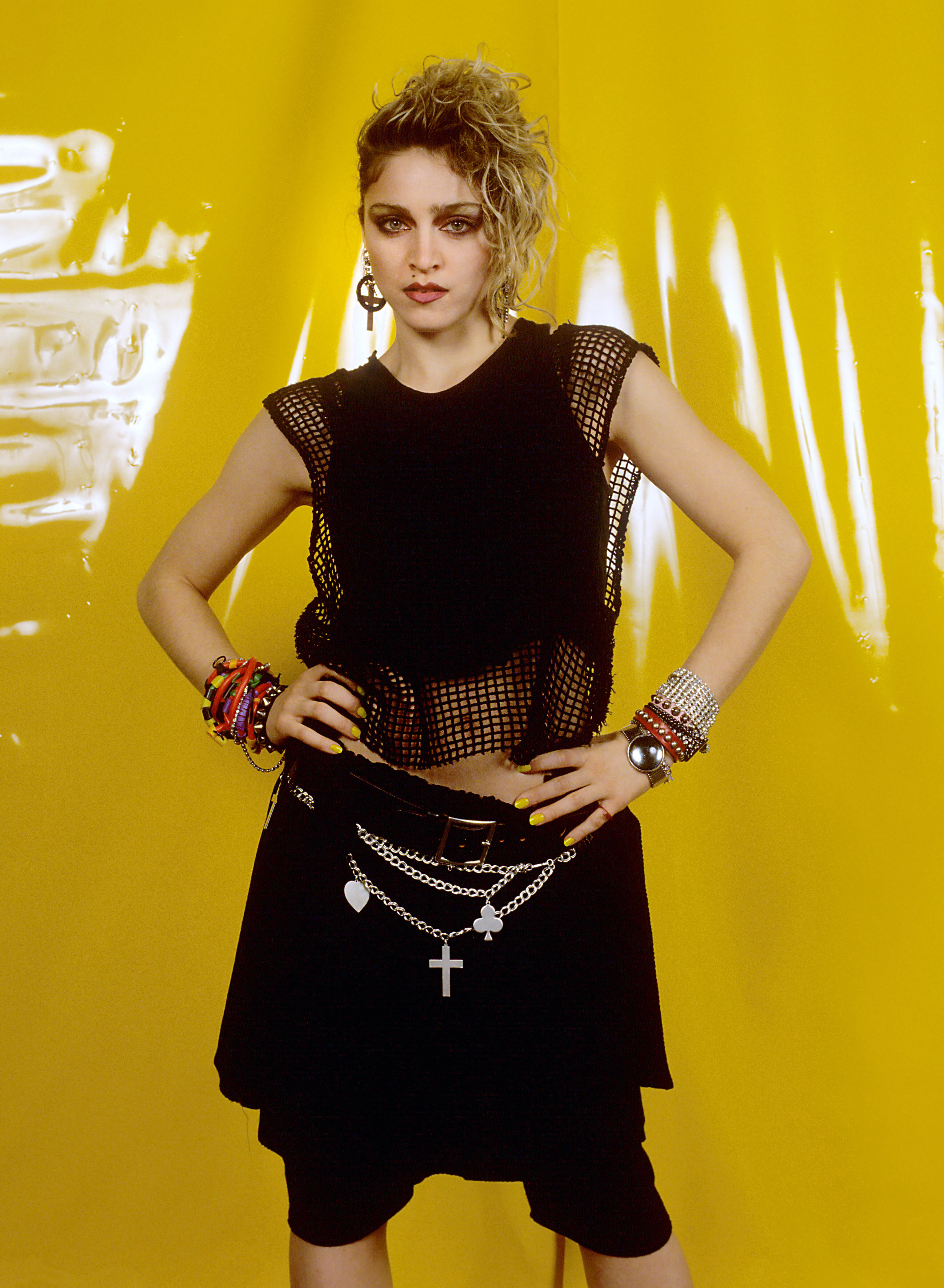
Madonna reminisced about her first VMAs performance in 1984, which featured the notorious “Like a Virgin” number, during which she famously lost a shoe and fell, creating an instantly memorable and controversial moment.
Following that performance, she recalled her manager warning her that it could potentially ruin her career. Instead, it became an iconic moment closely tied to the VMAs’ legacy.
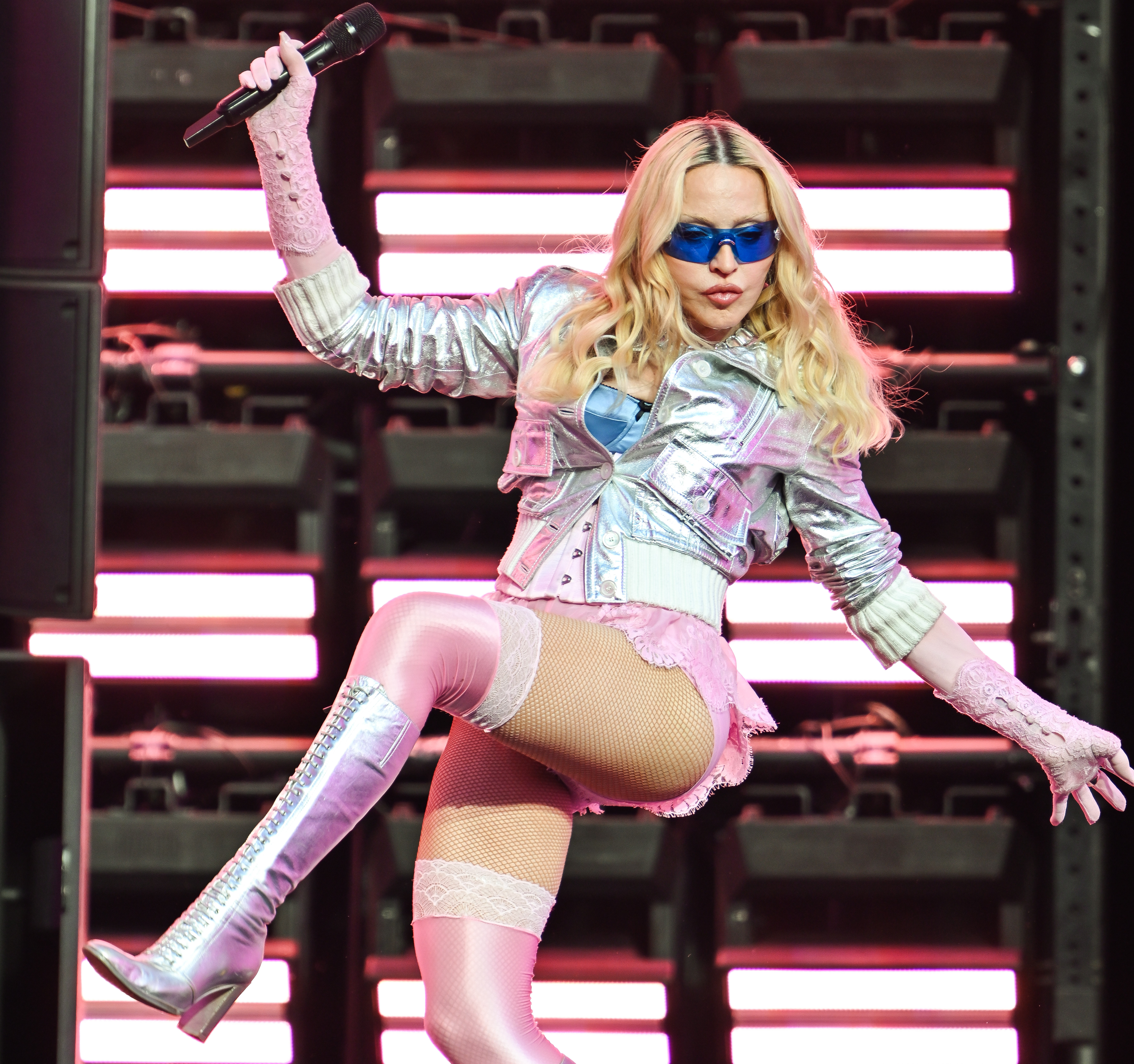
In 2026, her speech shifted gears, as she stated, “I spent the last year and a half finding myself, believing in myself and making the music I want to make.”.
The contrast between this speech and her earlier acceptance moment was evident. In one instance, she momentarily forgot the award category; in the other, she articulated her memories, her career journey, and the music she crafted over the last year and a half.
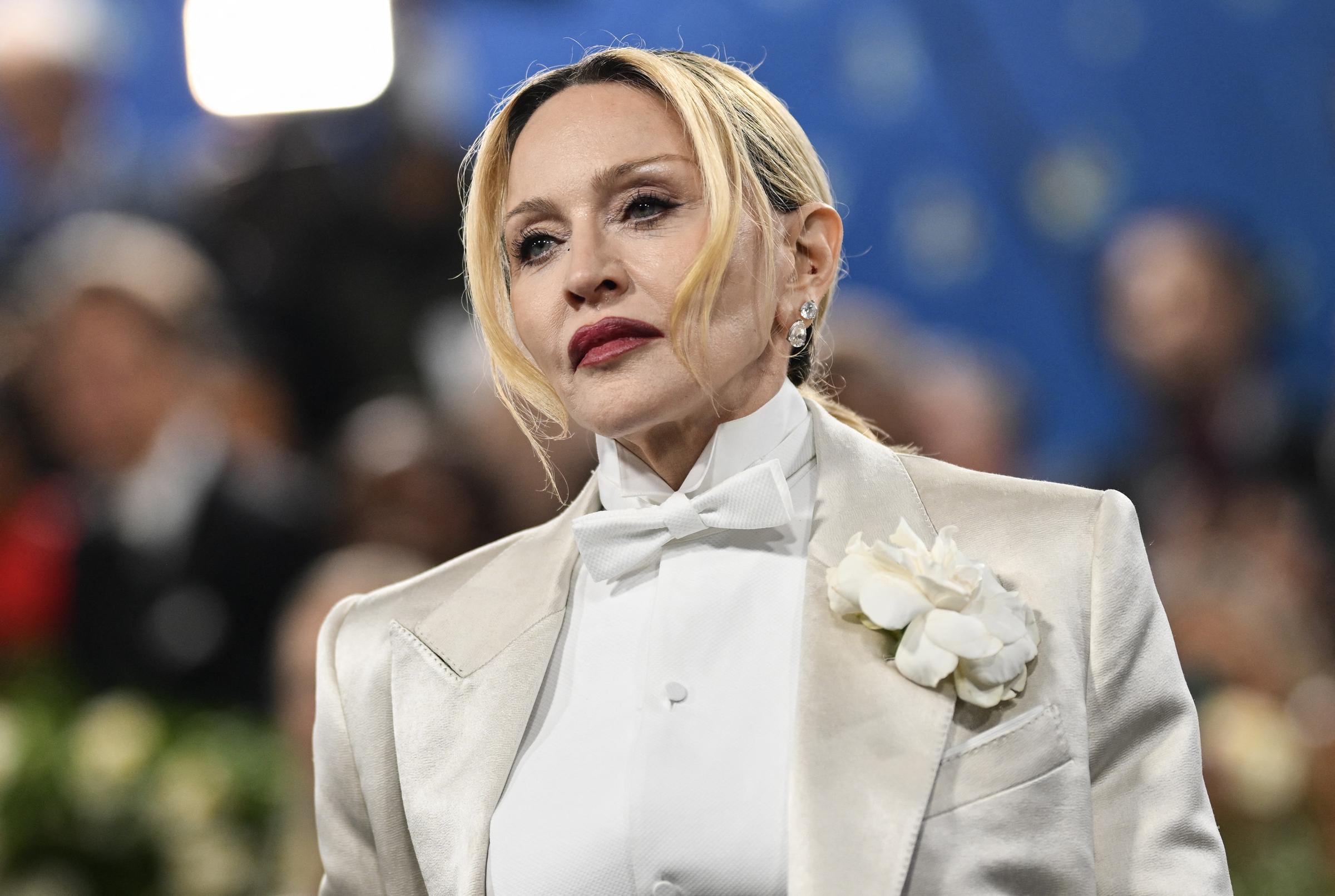
This speech was particularly appropriate for an artist whose comeback had taken an unexpected turn. Originally, Confessions II wasn’t part of her intended path.
After years of attempting to create a film about her life, which faced numerous obstacles, she found herself returning to her roots in dance music.
The Emotional Background of Her Return
Madonna revealed to Interview that she reached out to producer Stuart Price with a straightforward concept: a return to the sound of Confessions on a Dance Floor.
This decision came during a challenging time in her life, as she dealt with her brother’s serious illness, the passing of her stepmother, and other family struggles while writing new music.
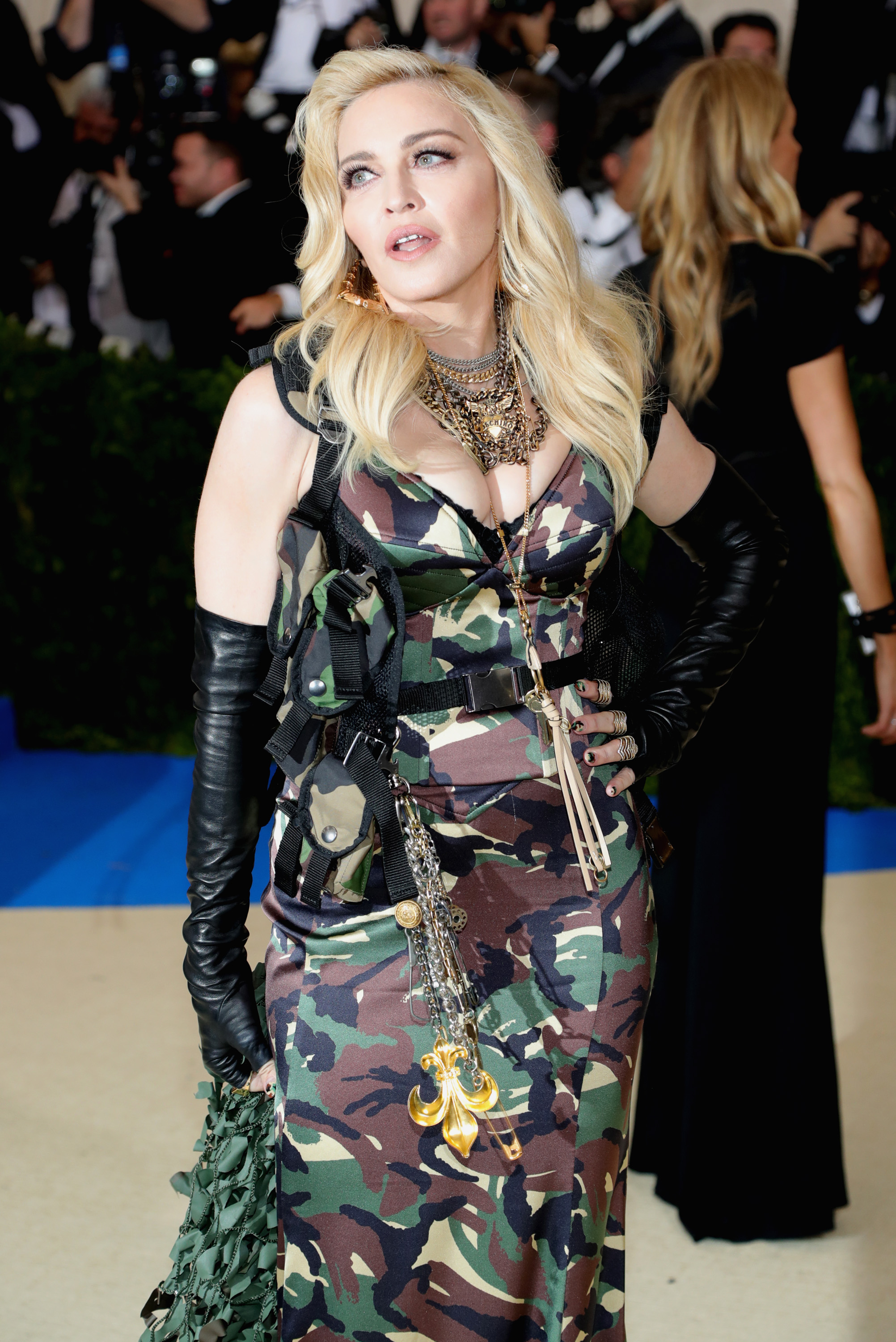
“It’s hard for me to write a song about nothing. I have to tell a story,” Madonna remarked regarding her creative process.
Confessions II was born during this tumultuous period, as she faced familial losses, stalled film projects, and ultimately returned to her musical roots with a producer closely associated with one of her most successful dance eras.
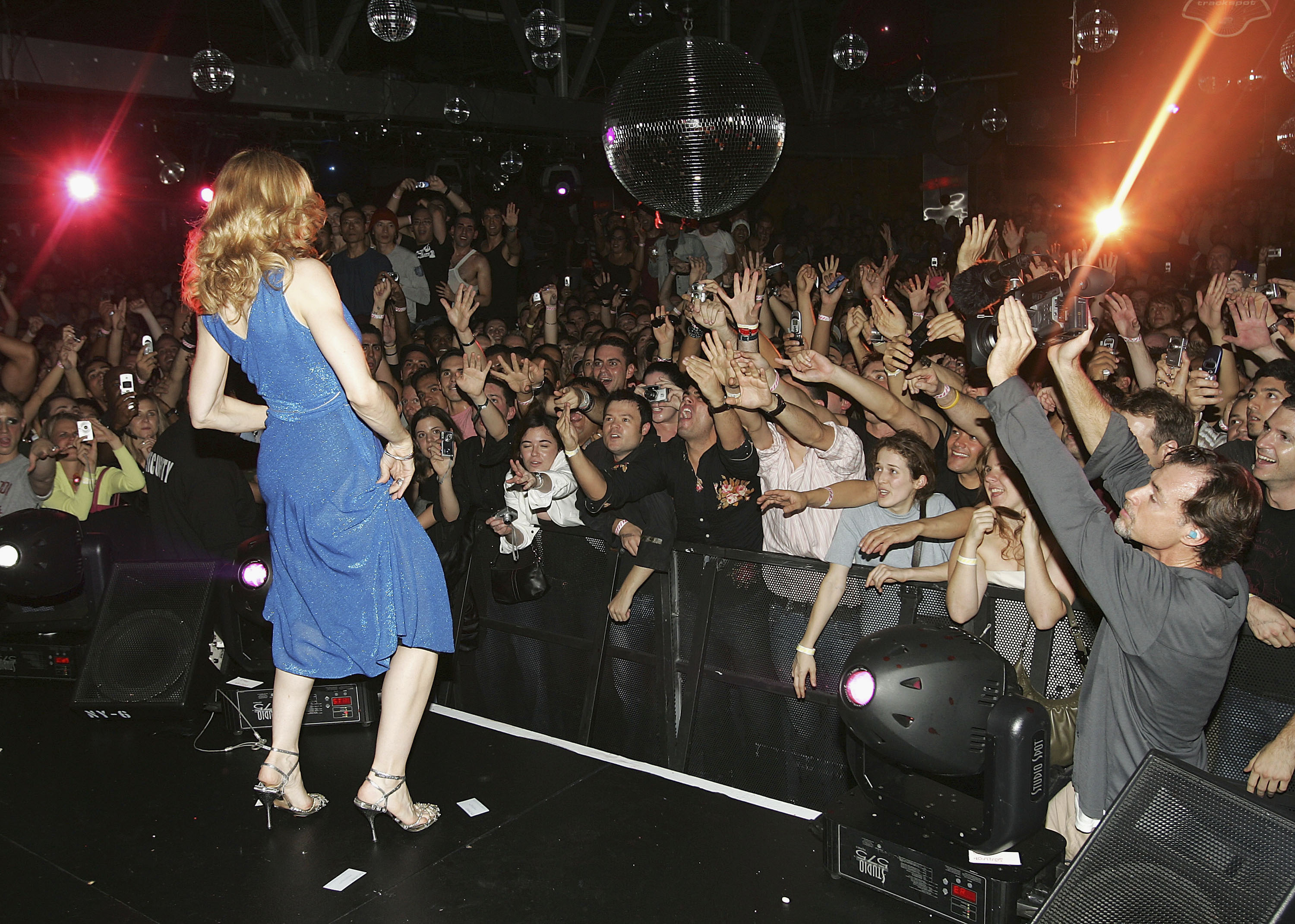
According to information surrounding the album’s release, Confessions II marked her first studio album in seven years, following 2019’s Madame X, and debuted at No. 1 on the Billboard 200 charts.
This new album also marked her return to dance music over two decades after her original Confessions on a Dance Floor, which defined a significant chapter in her career.
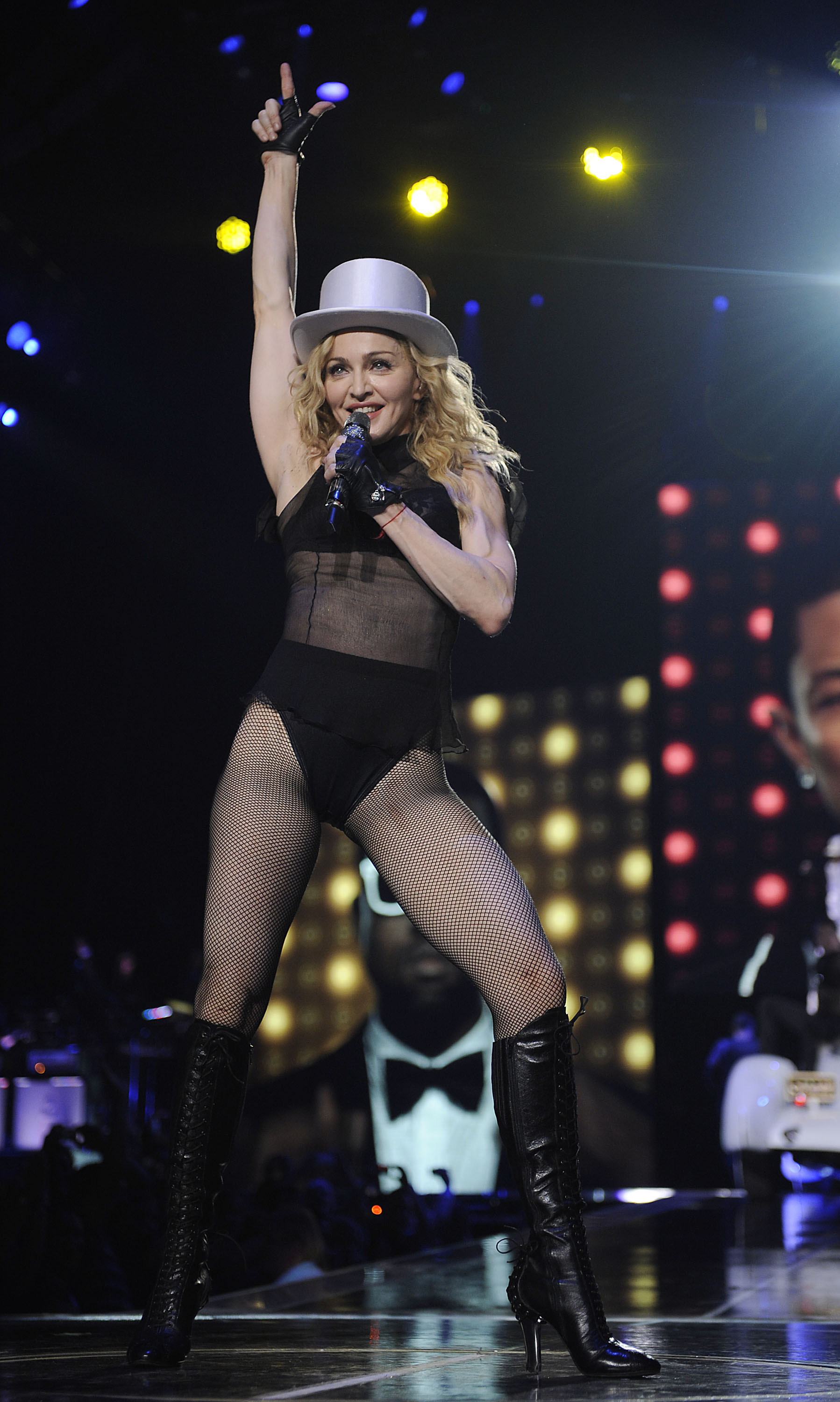
By the time Madonna arrived at the VMAs, her album had already landed her back in the top position, and the event added to her list of achievements.
However, the viral acceptance speeches nearly overshadowed the extent of Madonna’s success that night.
Madonna didn’t just walk away from the 2026 VMAs with a sentimental award; she secured seven Moon Persons, the most significant haul of the evening.
Among her accolades were Artist of the Year, Best Collaboration for “Bring Your Love” with Sabrina Carpenter, Best Dance, Best Cinematography, Best Choreography, Best Long Form Video for Confessions II – The Film, and Best Album for Confessions II.
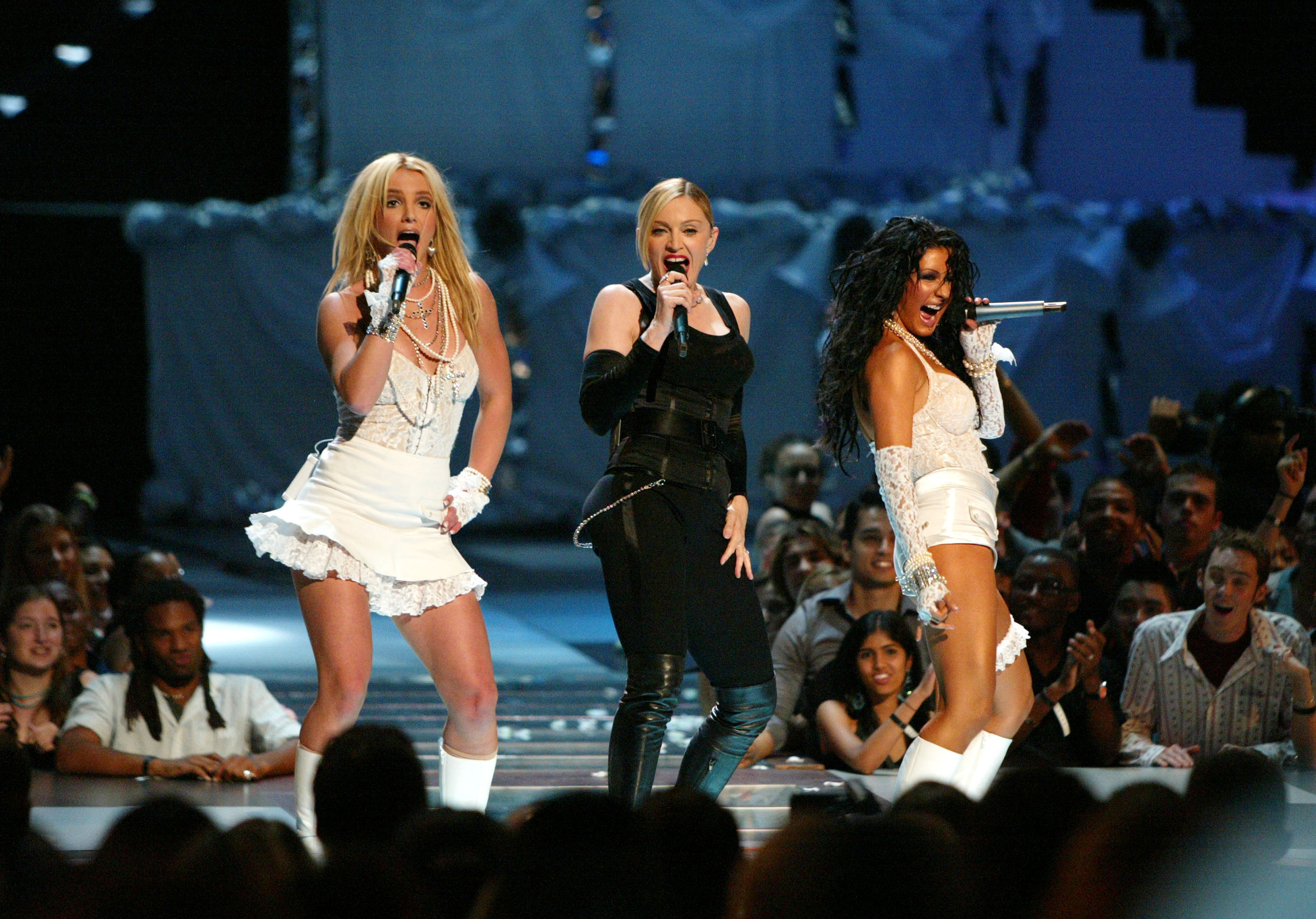
One of these accolades produced another amusing Madonna anecdote. As she accepted the Best Collaboration award with Carpenter, she confessed that getting the younger singer to join her on “Bring Your Love” required a bit of persistence.
“Everybody who knows me knows how impatient I am,” Madonna admitted, sharing that after waiting five days for a response from Carpenter regarding the collaboration, she opted for a direct message instead.
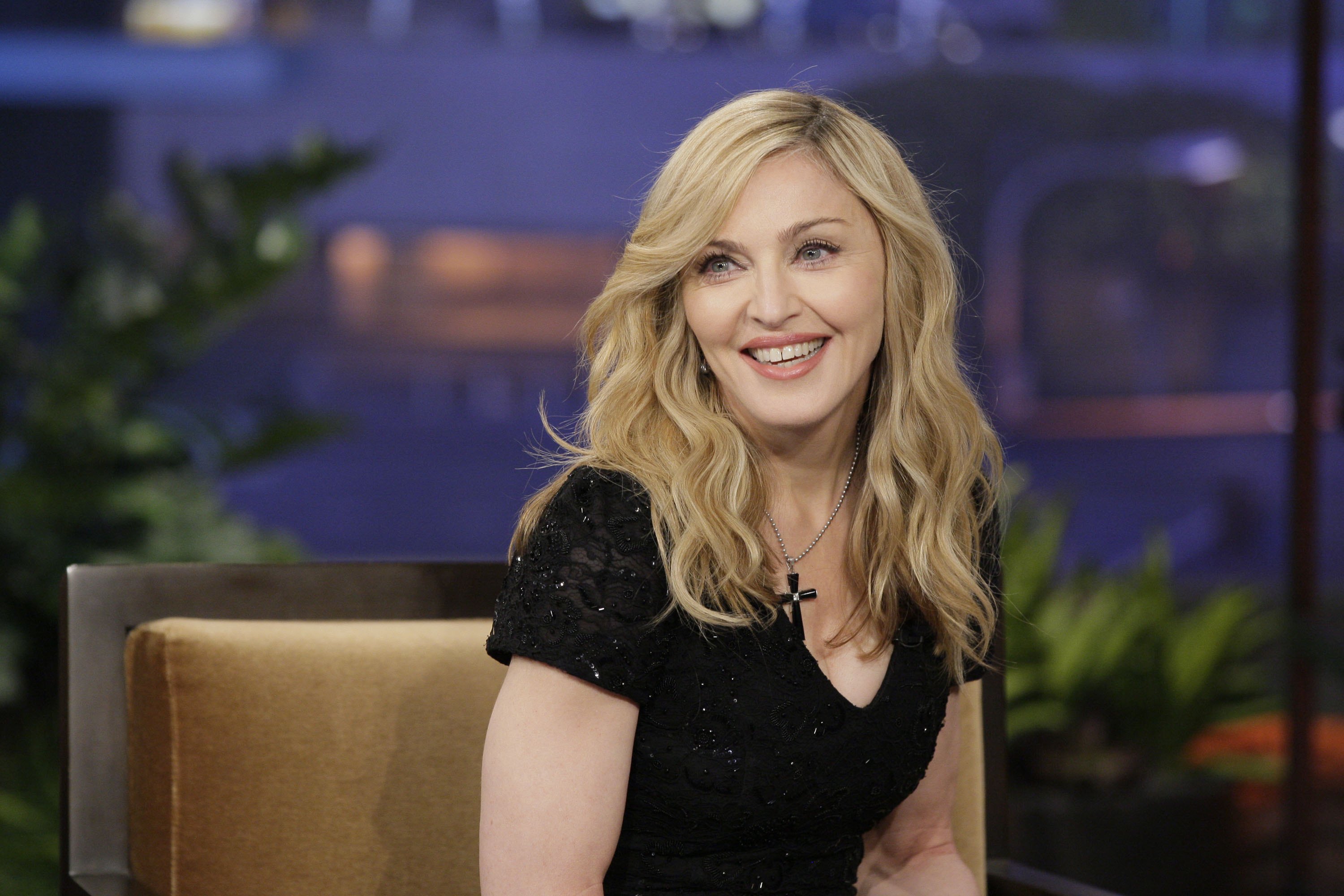
This streak of unplanned moments continued throughout the night. Madonna forgot the specifics of one award, casually mentioned messaging another artist out of impatience, and concluded as Artist of the Year.
At 68, she also made history as the oldest winner in the Artist of the Year category, achieving this milestone on a night when clips of her movements and speeches circulated widely online.
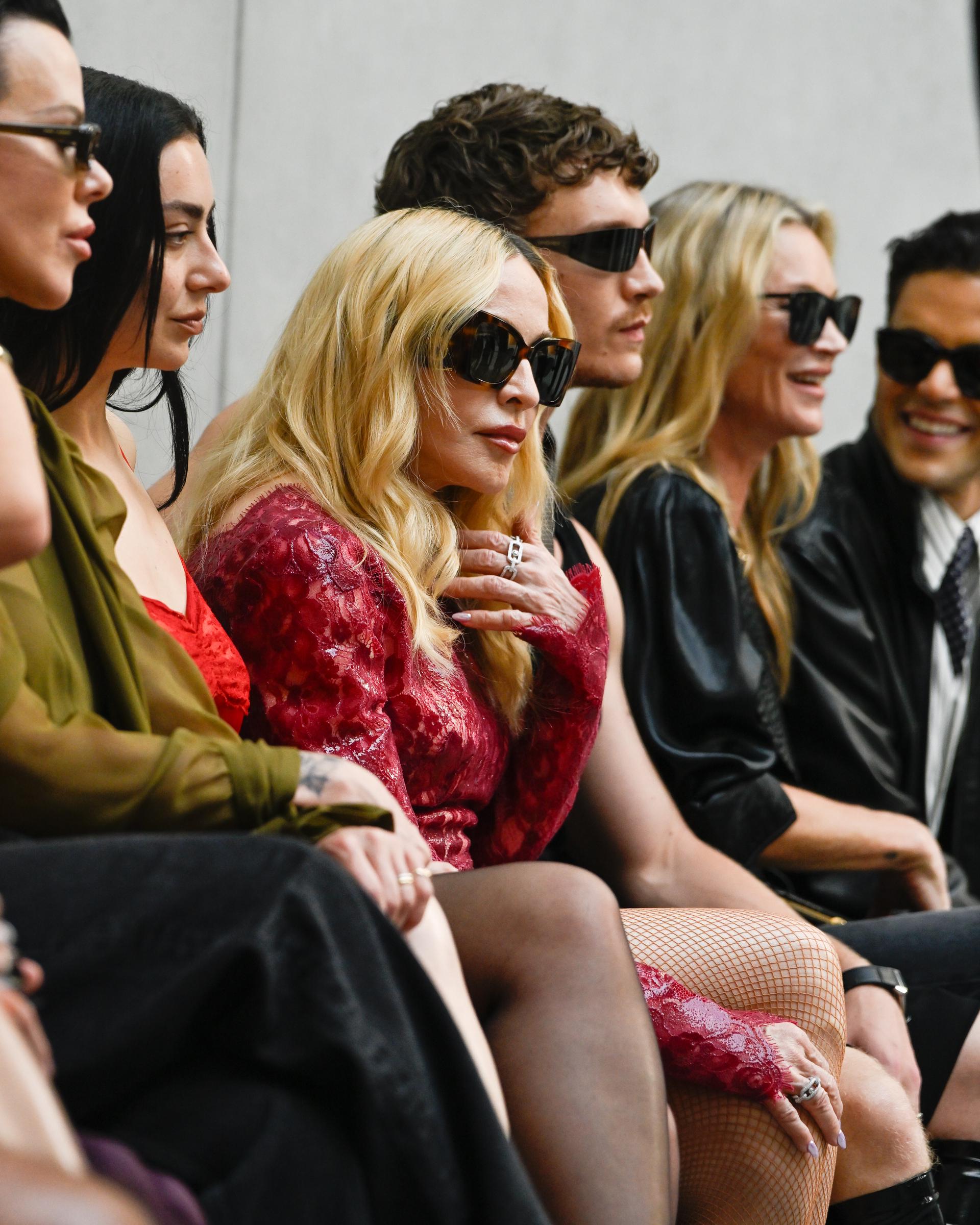
Madonna has engaged in similar VMA discussions before.
Her debut at the ceremony occurred 42 years prior, and it too became one of the most talked-about moments of that night.
Madonna’s initial performance at the 1984 VMAs was anything but a straightforward affair. A wardrobe malfunction and a spontaneous decision to keep going turned the “Like a Virgin” performance into one of the most memorable in history.
Critics were not entirely kind in their assessments. Madonna’s own recollections often include the caution that this performance could have been detrimental to her career.
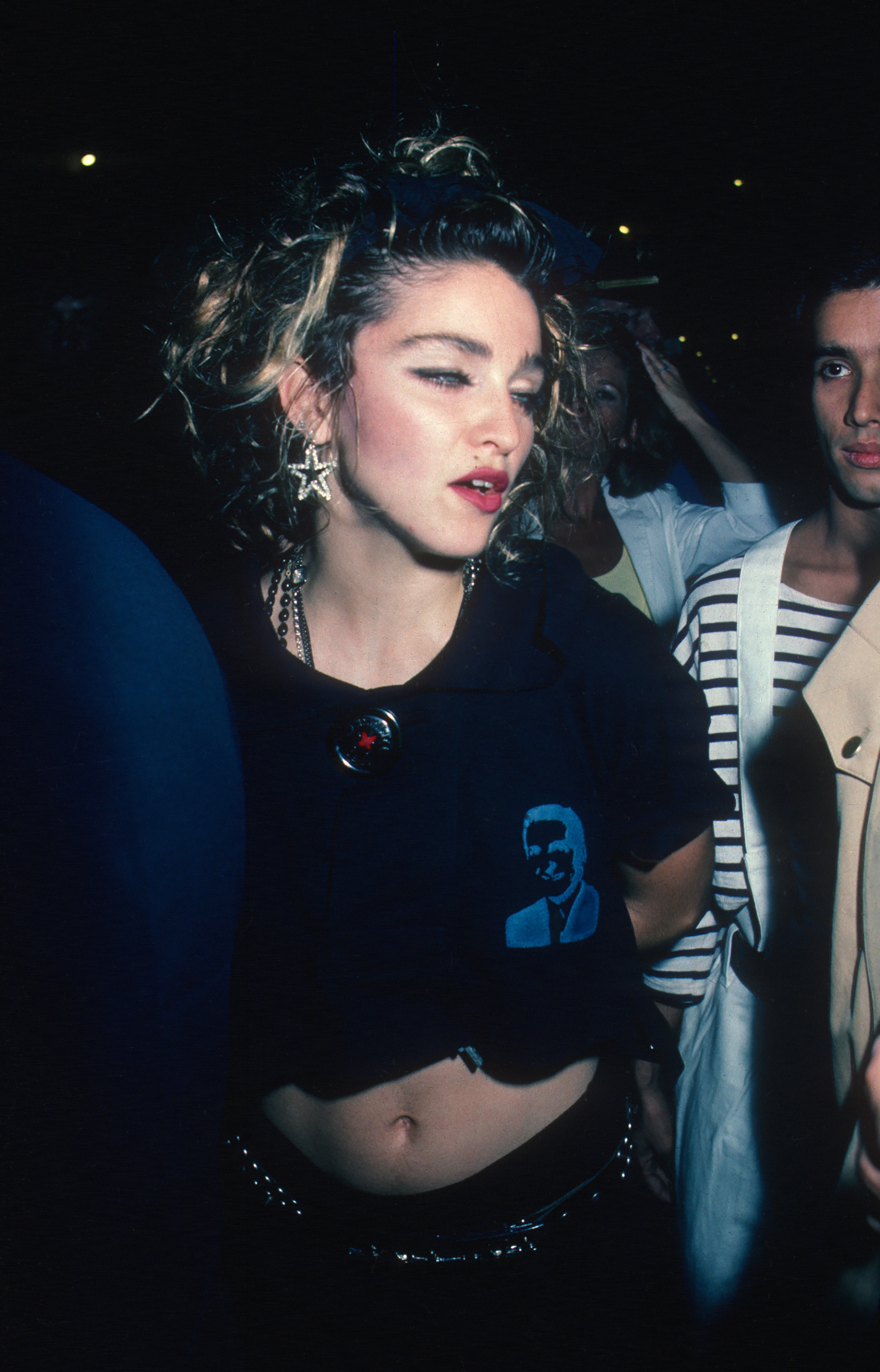
Decades later, Madonna’s comeback once again triggered widespread discussions online. This time, it revolved around a night filled with performances, multiple award acceptances, heartfelt reflections on loss, and a nostalgic look back at her beginnings.
The Best Dance acceptance speech emerged as one of the most widely replayed moments, featuring Madonna momentarily forgetting the award she was accepting before discussing the significant impact of dance on her life.
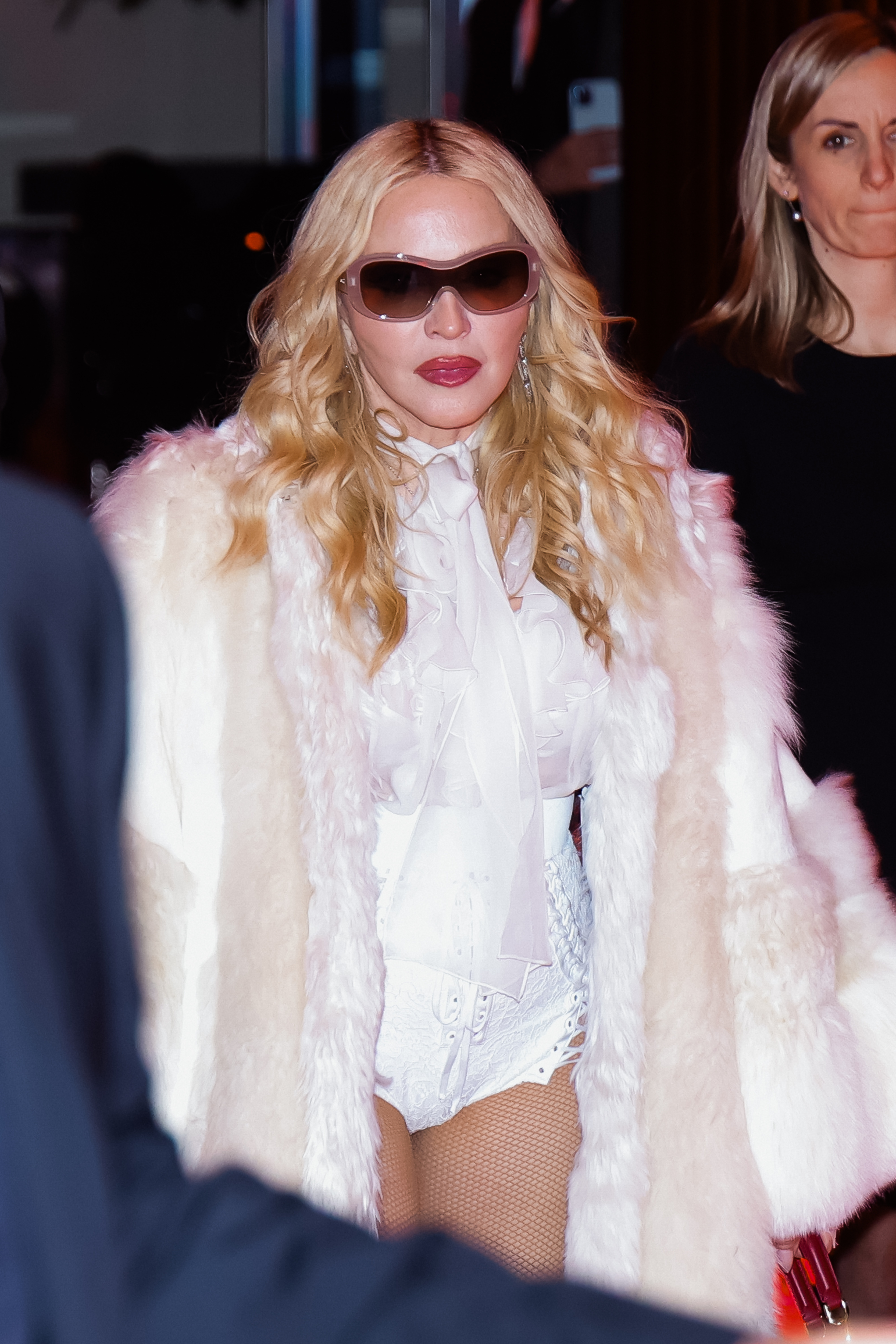
The line, “What is this for, again?” quickly spread across social media as one of the memorable quotes from the show. The award was for Best Dance — one of the seven awards Madonna earned that night.
Additionally, she made history as the oldest recipient of the Artist of the Year award while celebrating a dance-centric album that had already climbed to No. 1.
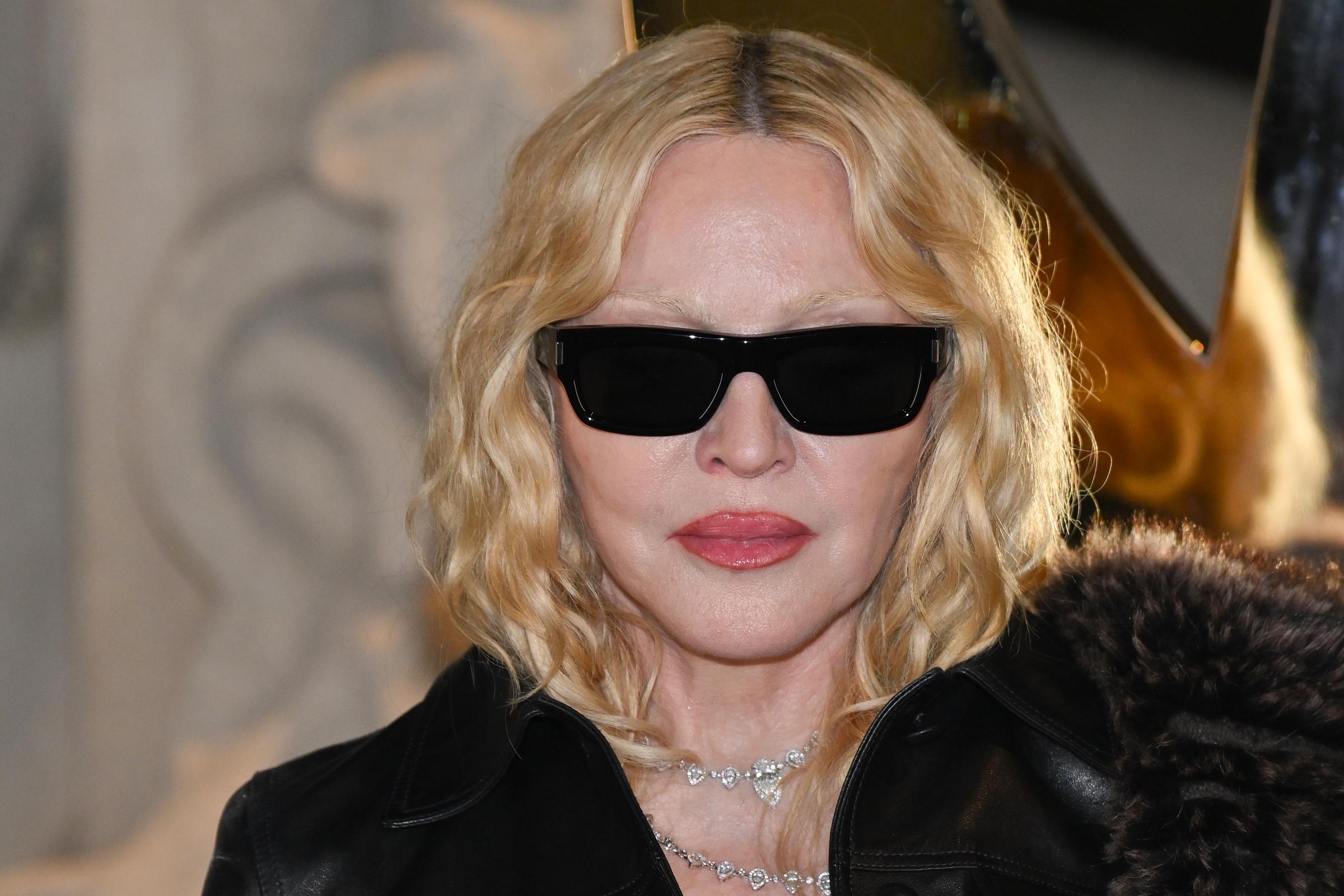
By the close of the evening, the 2026 VMAs showcased multiple facets of Madonna for the audience to reflect on: the opening performer, the award recipient in confusion, the woman discussing loss and dance, and finally, the Artist of the Year recalling 1984.
Ultimately, her heartfelt message during the speech returned the narrative to the foundational element of her story from decades past: “We are all equal on the dance floor.”