What Happened to This 70s TV Icon, Left Paralyzed on One Side After an Accident & Stepped Away from Tinseltown for a Time?
From caring for her mother during her last days to advocating for environmental causes and nurturing her children, this actress, who once enchanted viewers with her genuine talent, stepped back from Hollywood at the peak of her career.
Debra Winger, born on May 16, 1955, in Cleveland, Ohio, to parents Ruth and Robert, demonstrated remarkable potential from a young age. As a brilliant child, she completed high school at just 15, subsequently enrolling in college to study criminology.
However, her passion for acting remained a concealed ambition. It wasn’t until a near-fatal incident that she decided to embrace her true calling.
At the age of 17, while working at an amusement park in California to supplement her income, she endured an accident that forever changed her life.
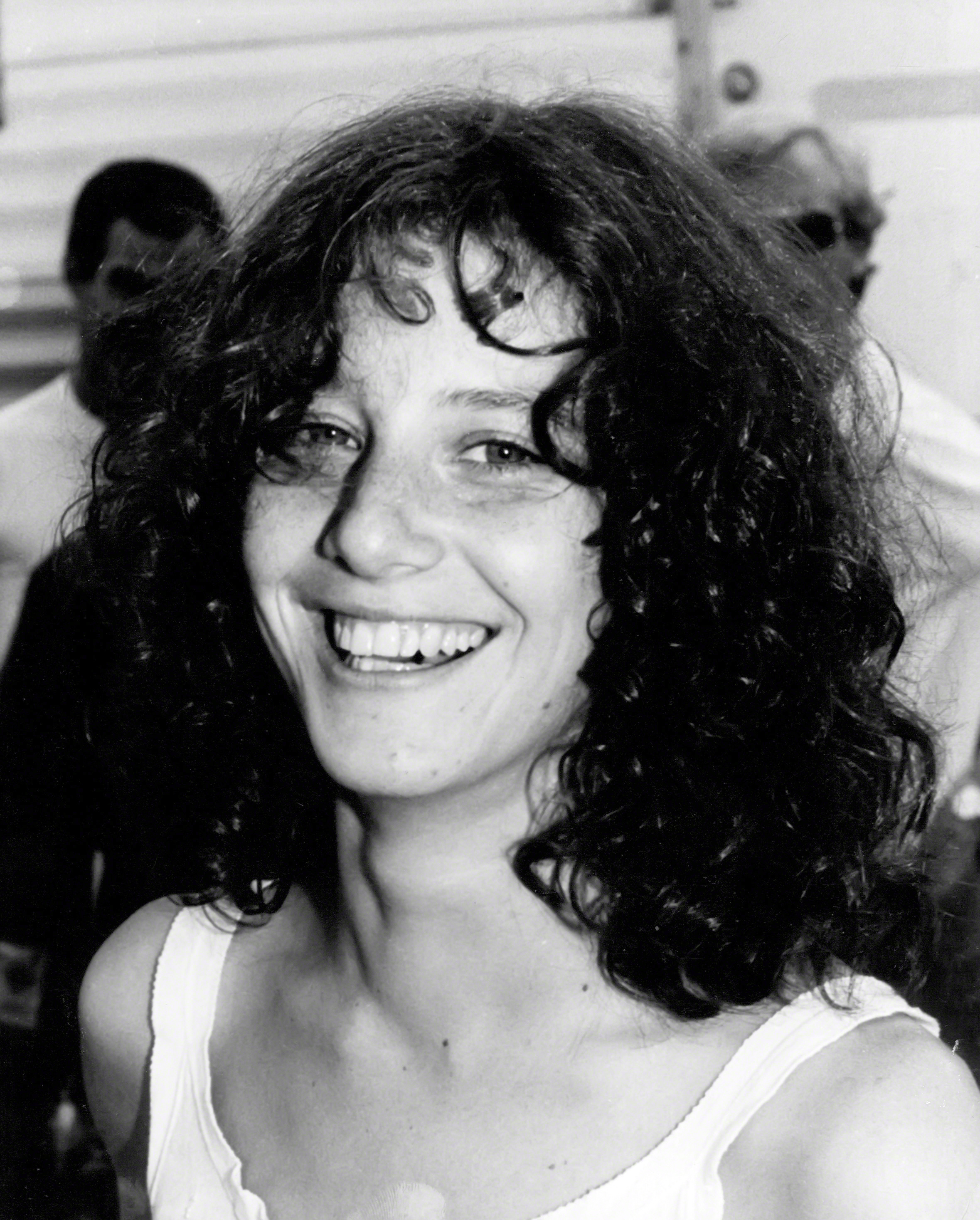
Winger, dressed as a troll for a Christmas production, was advised to be cautious with the costume since it was quite valuable and her responsibility.
While seated in the back of a small truck, she noticed the costume slipping. “[…] I reached for it,” she recalled. Just as she rose to adjust it, the driver took a sharp turn, causing her to be thrown from the vehicle onto the pavement.
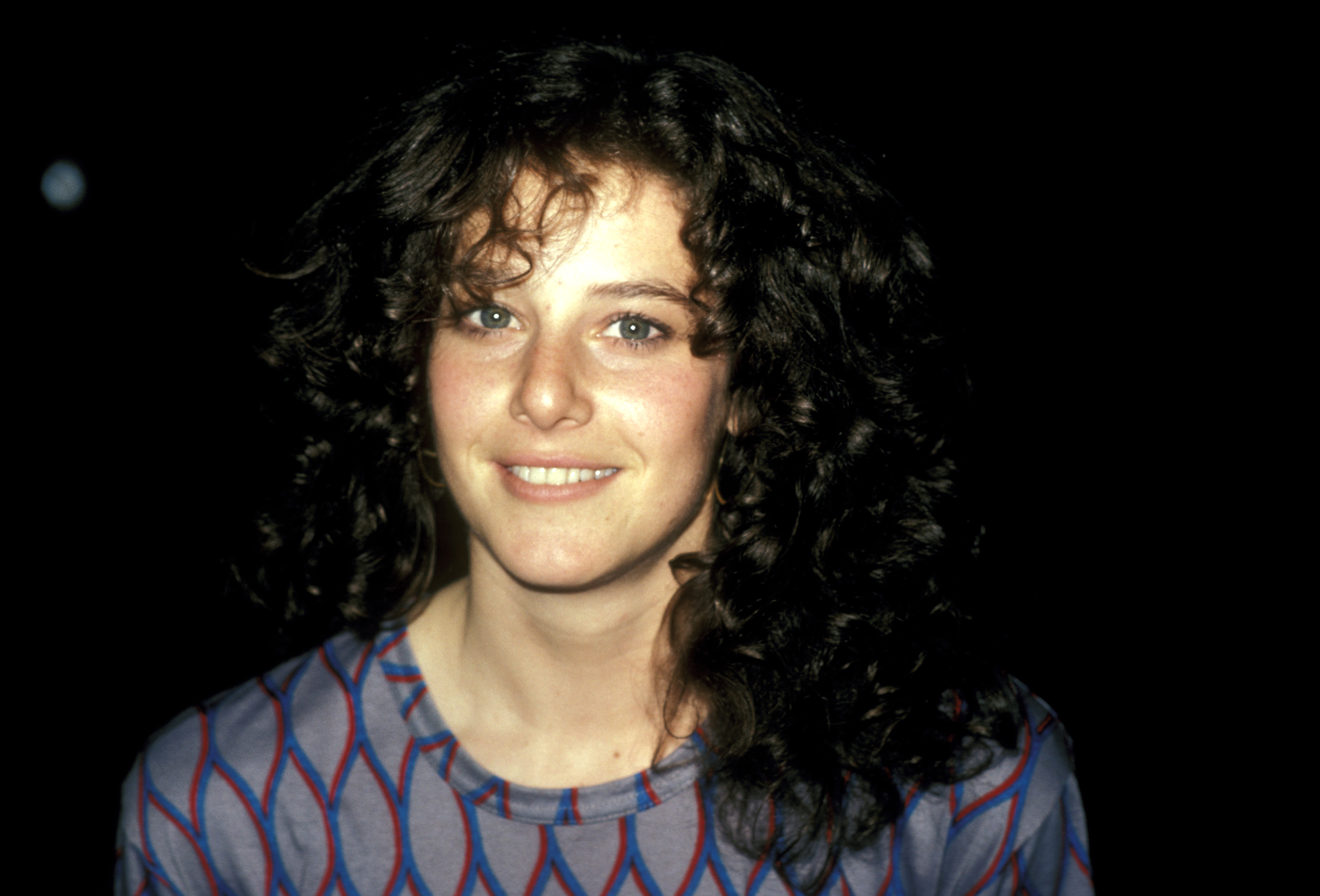
Waking up in a hospital, she was disoriented and terrified, confronted with severe injuries. The accident resulted in a brain hemorrhage, which left her blind and paralyzed on one side.
Recovery took several months, during which she oscillated in and out of a light coma. At times, her perception of time felt distorted, leading her to describe the ordeal as surreal.
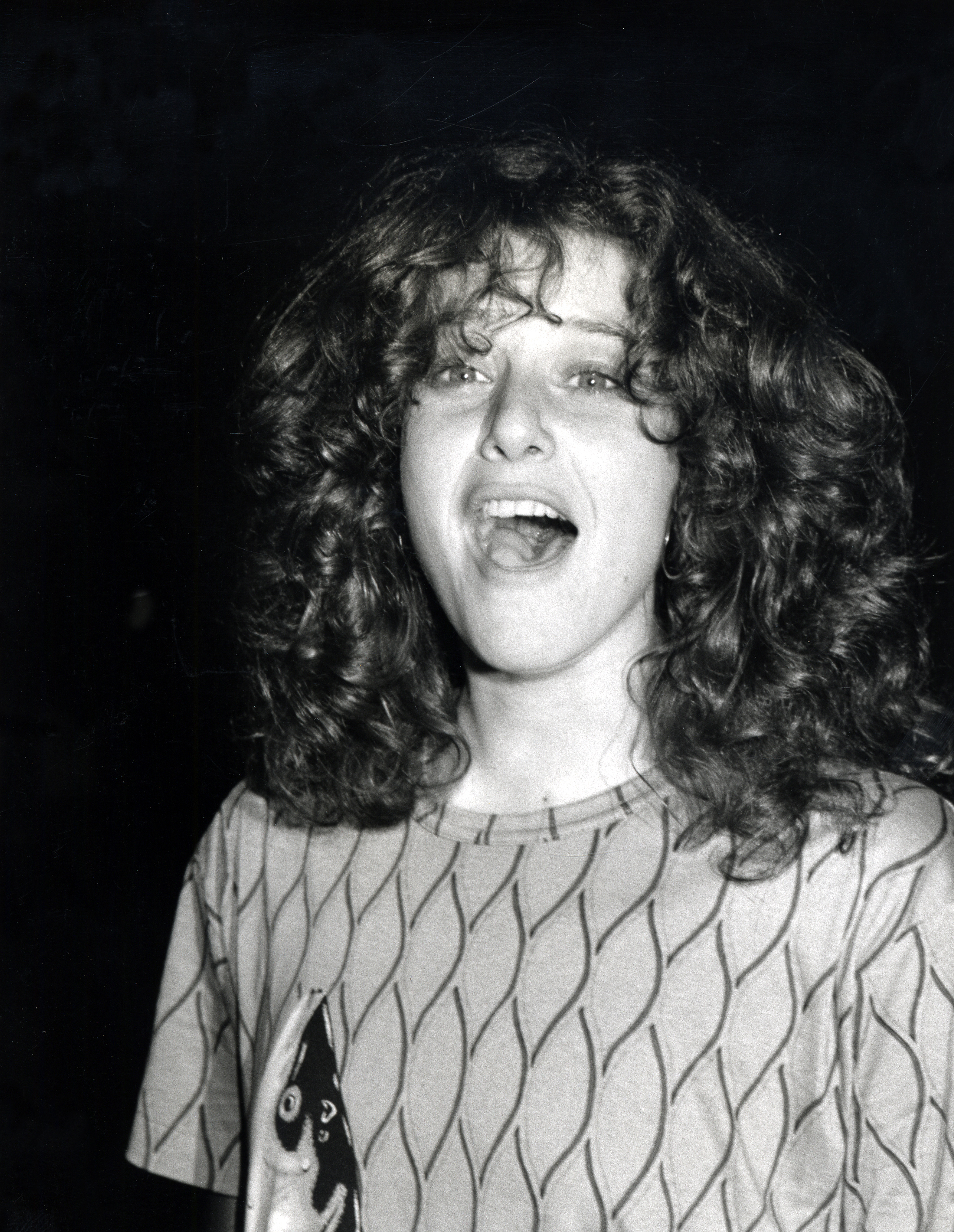
“The organization of time seemed less linear and more spatial,” she reflected. Even after her physical healing, the emotional scars lingered. “I have no separation, timewise, from that experience. It doesn’t get softer. It doesn’t fade,” she confessed.
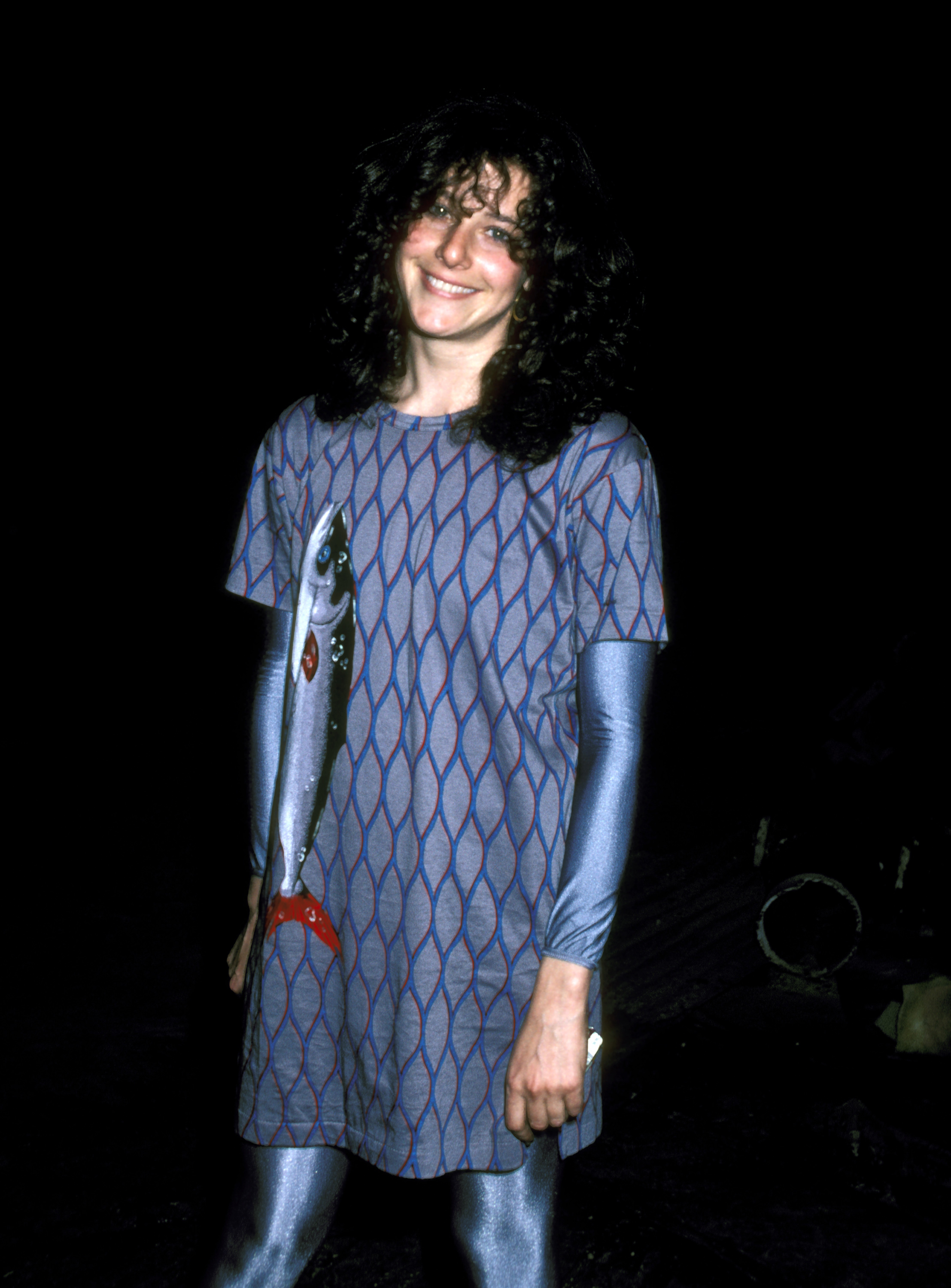
Medical professionals warned her that she might never walk again, much less return to a normal life. However, upon regaining her strength, Winger made a courageous choice to pursue acting full-time.
This brush with death instilled in her a revived purpose. Realizing life’s fragility, she resolved not to squander any more time hiding her passion.
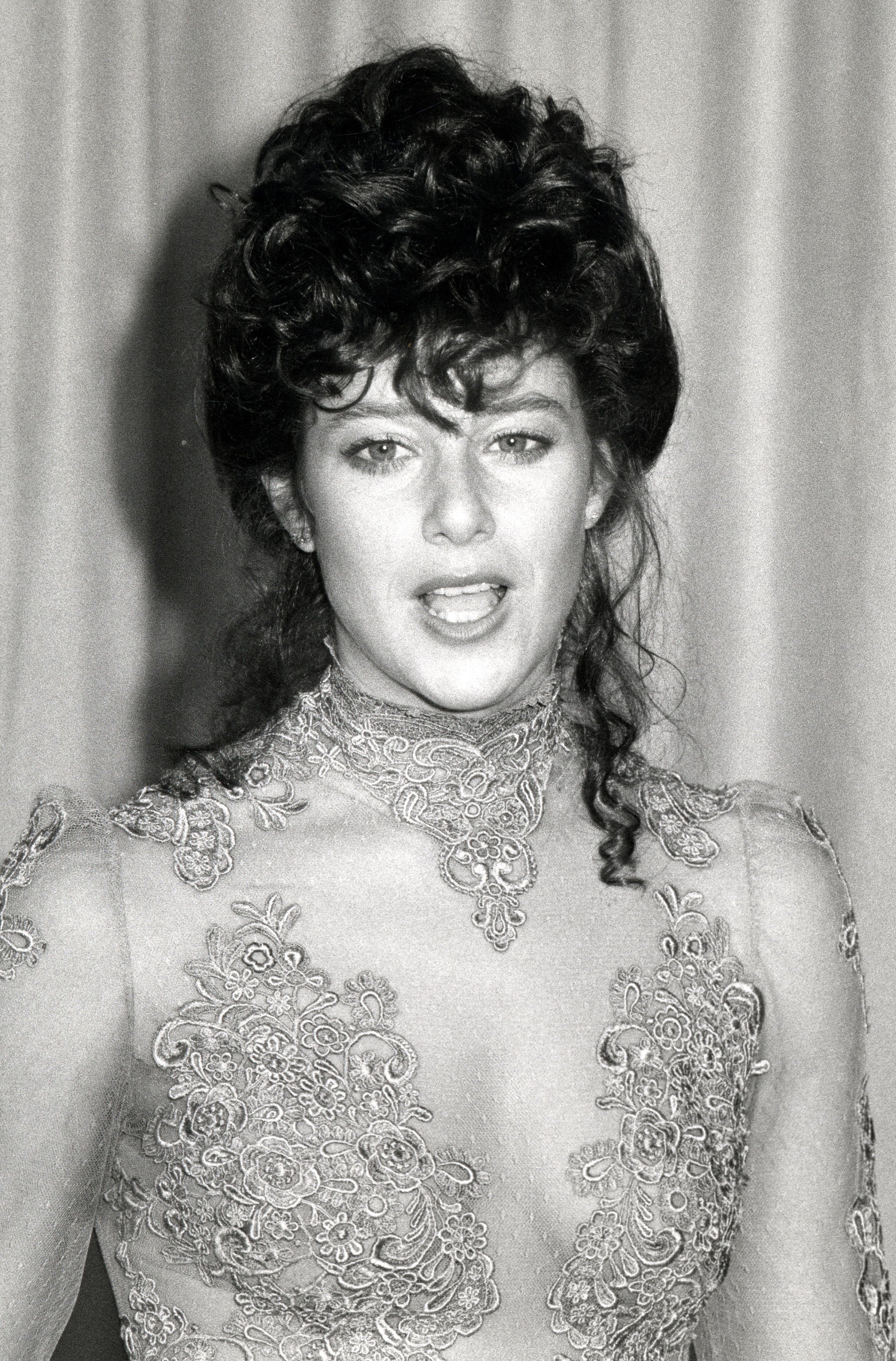
Relocating to Los Angeles to follow her dream, she soon landed a significant role in the television series “Wonder Woman,” portraying the superhero’s younger sister, Drusilla. Although her time on the show was short, it paved the way for further film opportunities.
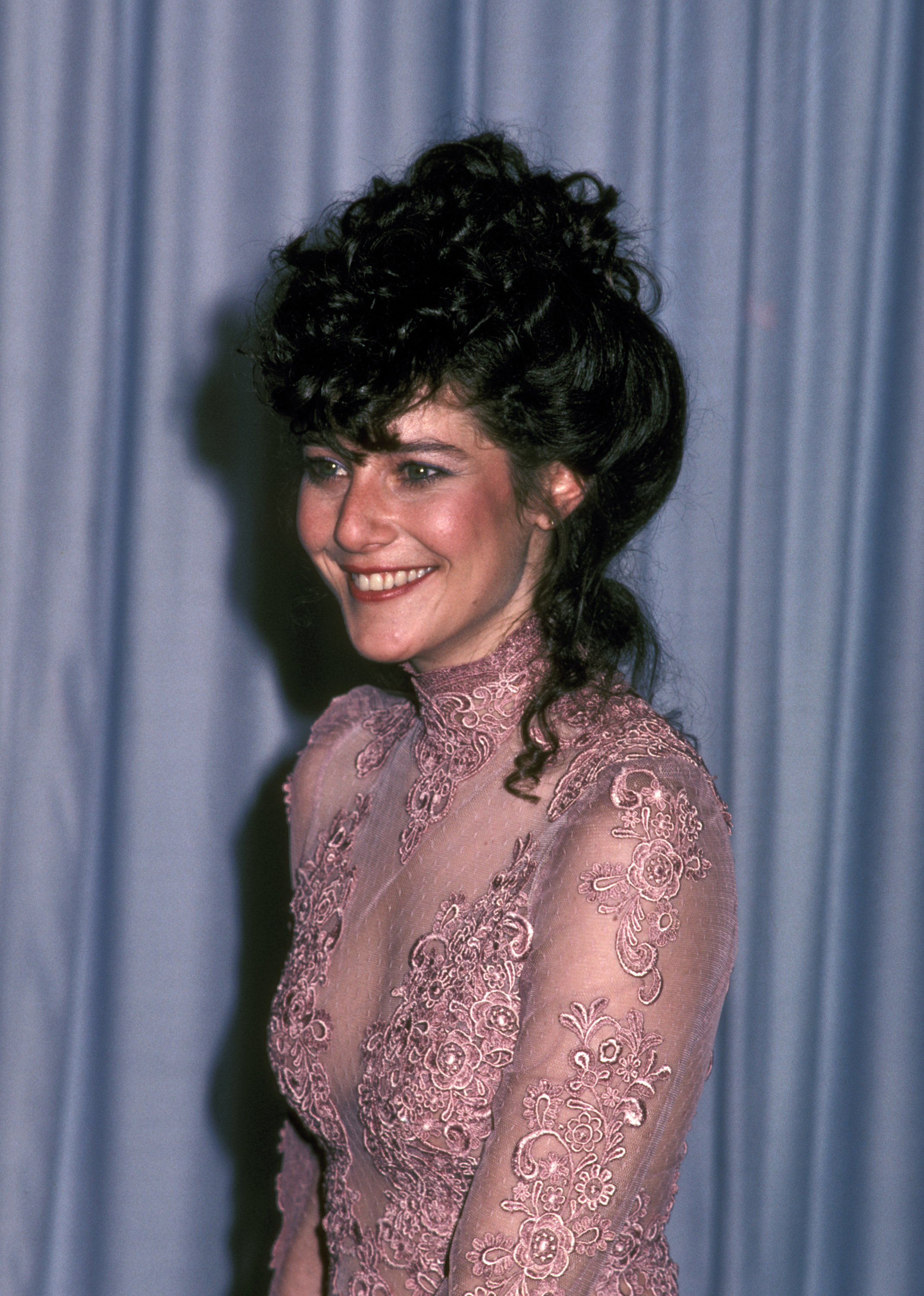
Yet, Hollywood had difficulty categorizing her at first. As a newcomer who didn’t fit neatly into any mold, she faced this challenge head-on. Her undeniable talent soon made her a notable figure, and her rapid rise to fame was remarkable.
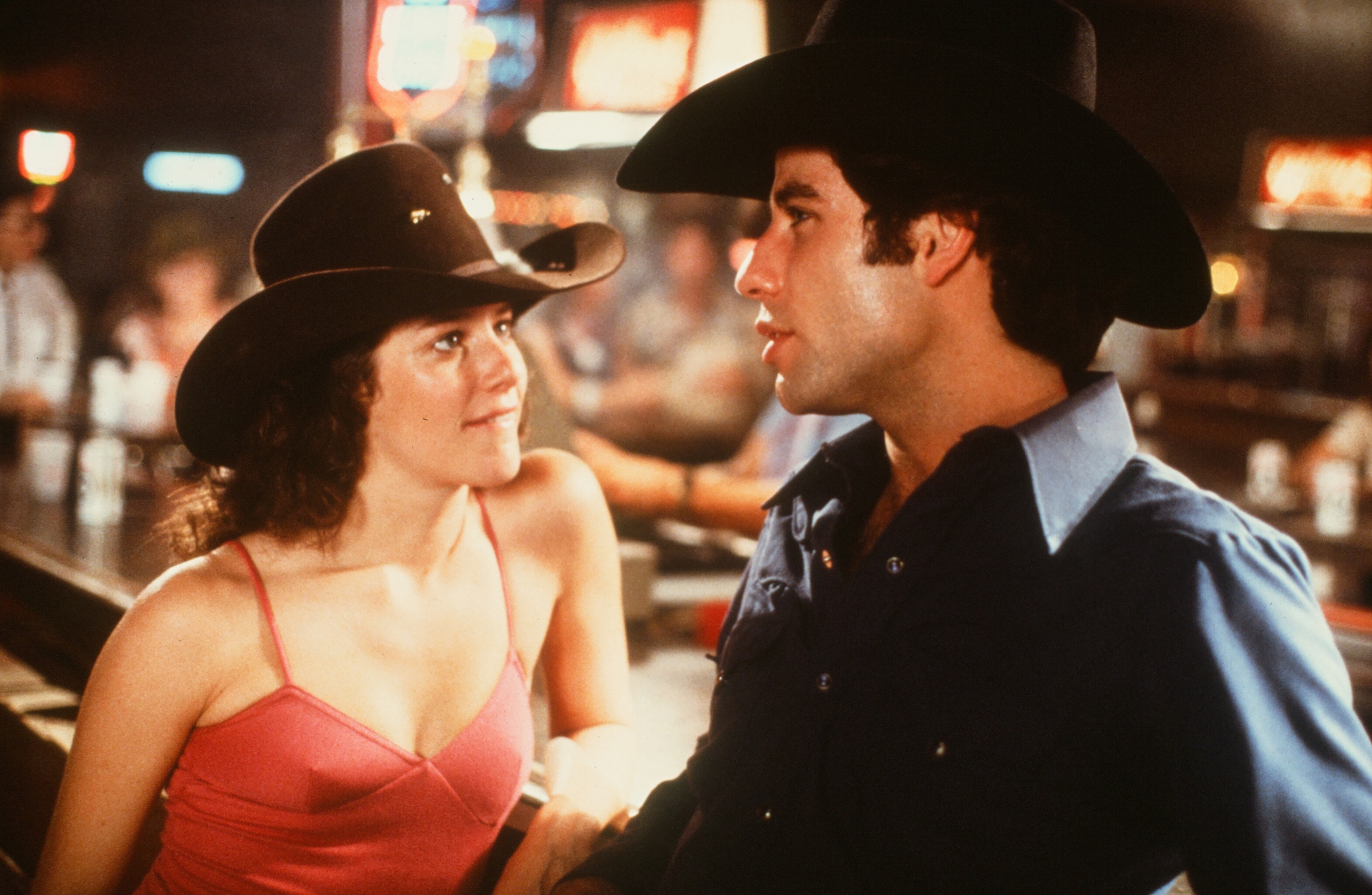
Her breakout performance occurred in the 1980 film “Urban Cowboy,” where she starred alongside John Travolta. In a memorable moment, her character rides a mechanical bull in a Texas bar, showcasing a raw sensuality that enchanted both audiences and critics.
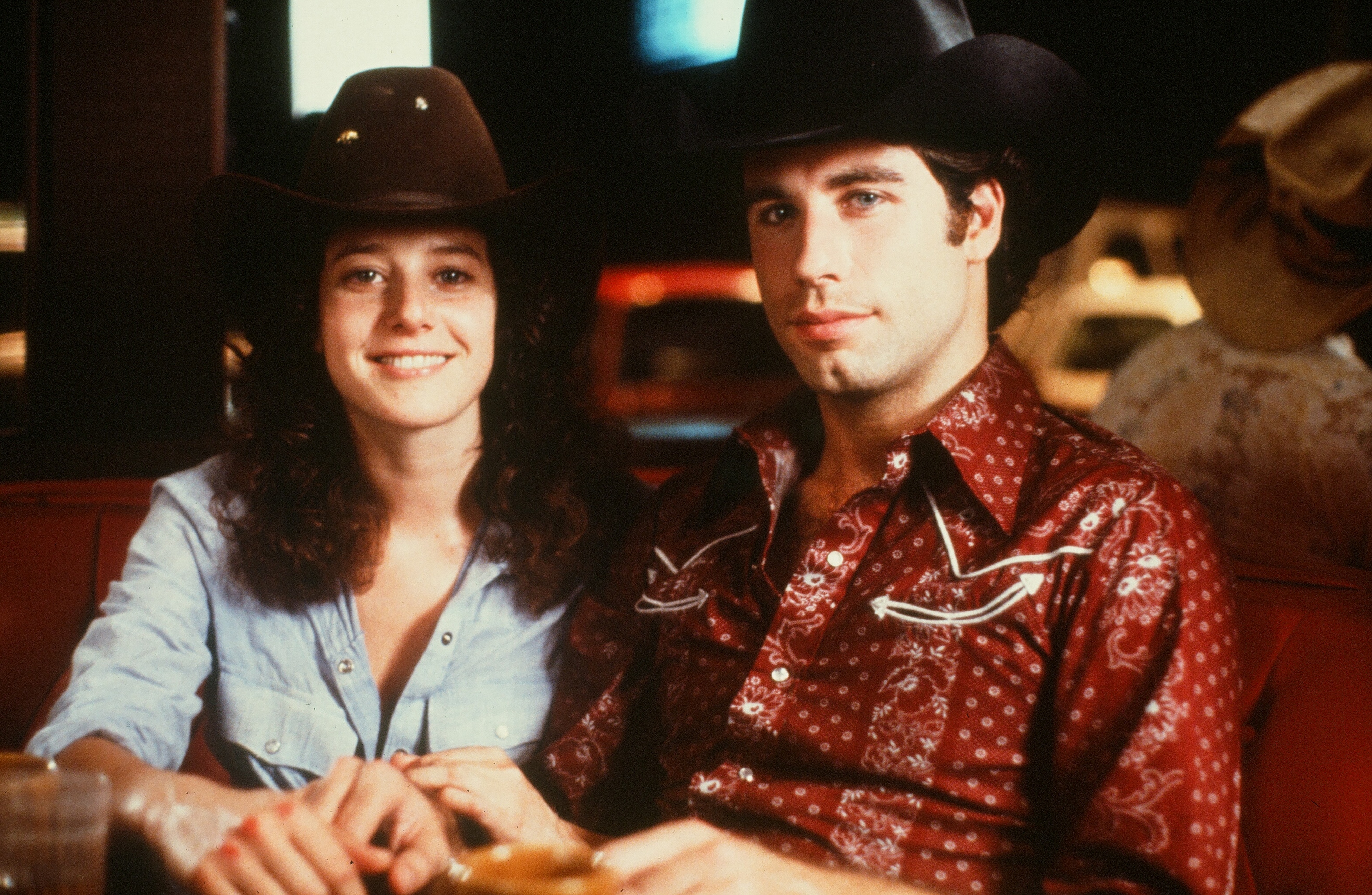
This role catapulted her to household name status almost instantly. Reflecting on her swift ascension, she remarked, “Today, we see young people achieving fame quickly, but it wasn’t common when I experienced it. It was quite extraordinary.”
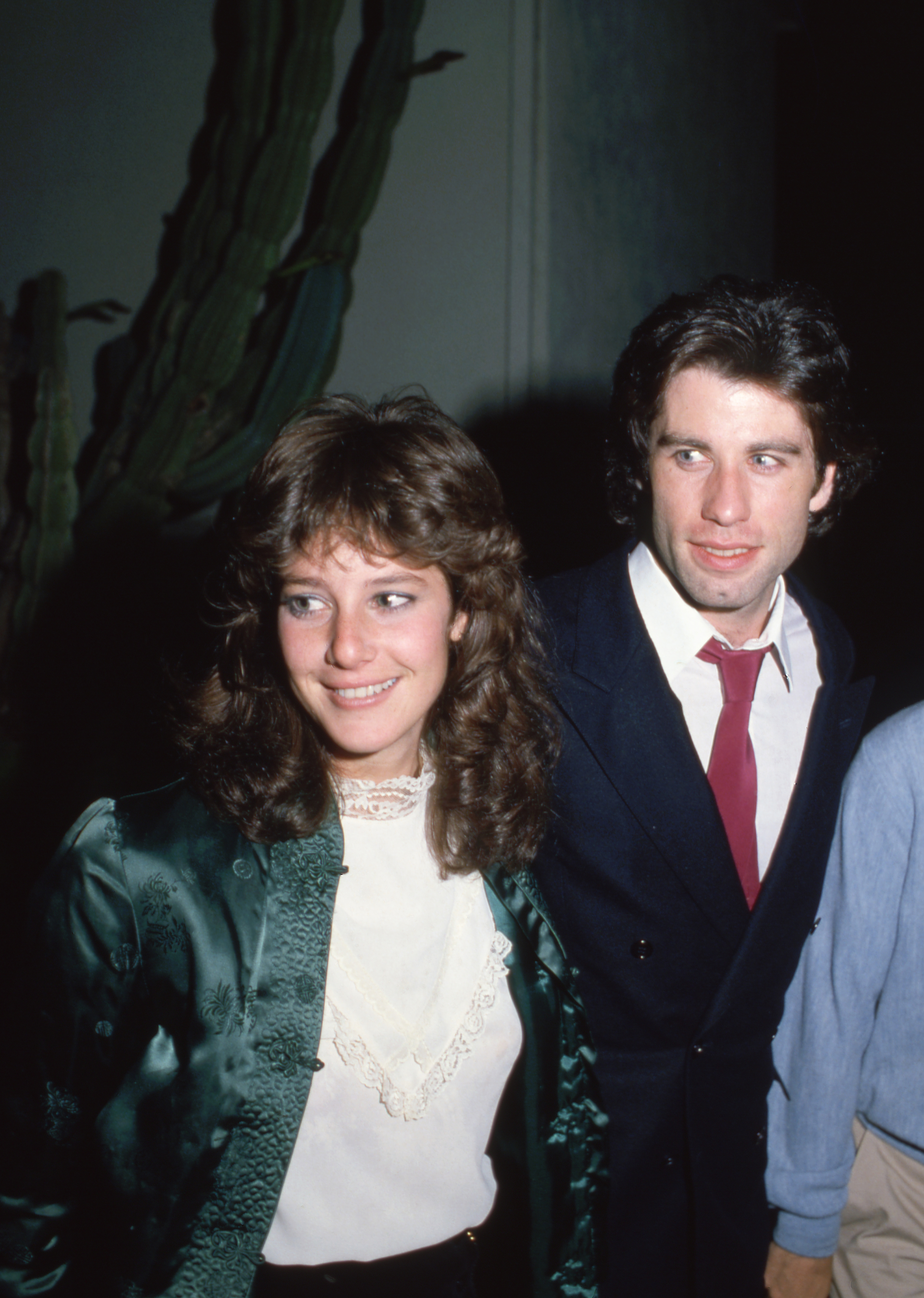
In the years that followed, she secured consecutive roles in critically acclaimed movies. Her part in 1982’s “An Officer and a Gentleman,” alongside Richard Gere, earned her an Academy Award nomination for Best Actress.
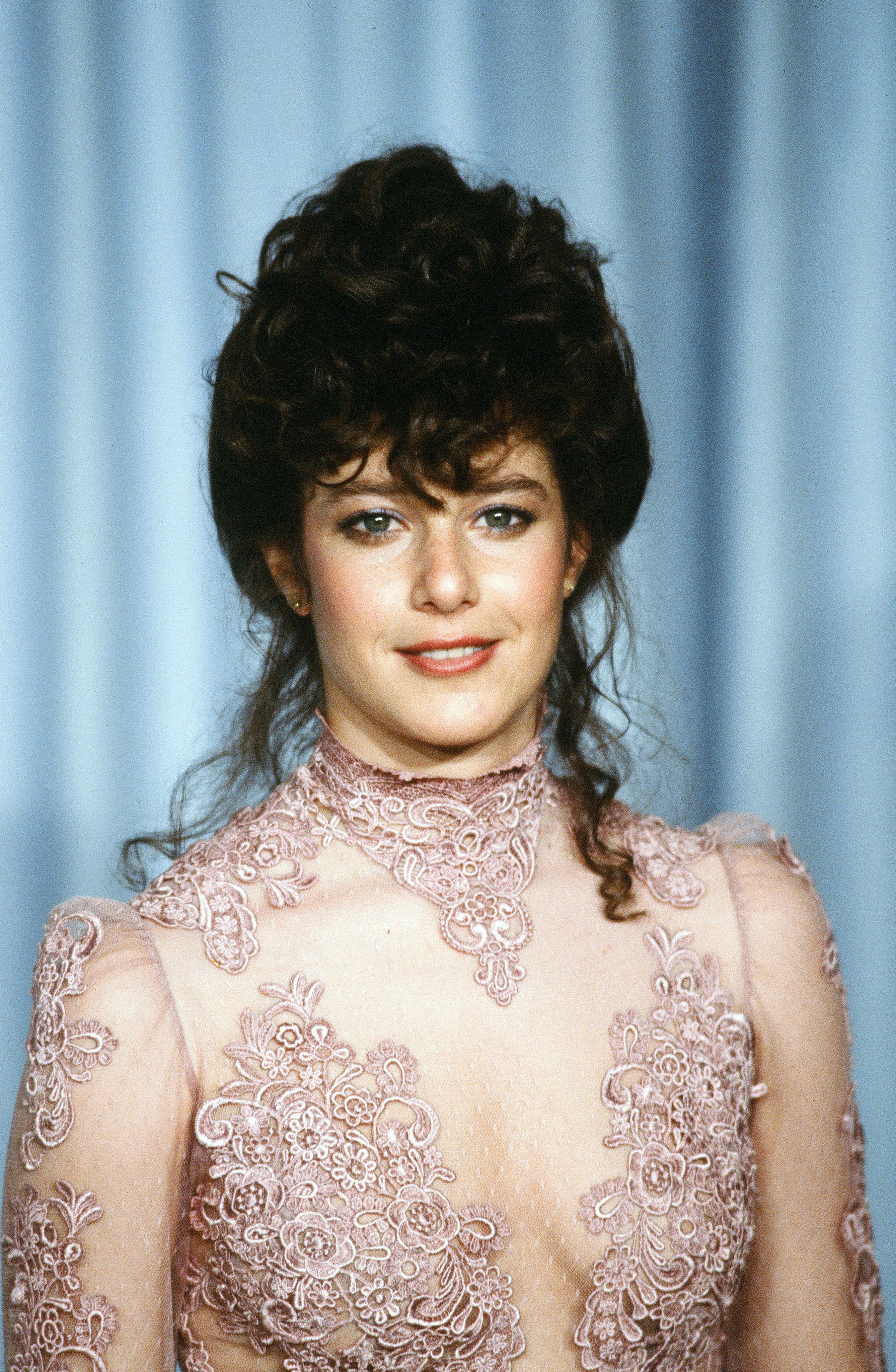
Her depiction of a working-class woman in love with a Navy pilot established her as one of the most desirable leading ladies in Hollywood. Nevertheless, her time on set was not free from controversy.
She famously referred to Gere as “a brick wall,” humorously commenting, “I could have chosen a nicer description.” Despite the tension, the film achieved tremendous success.
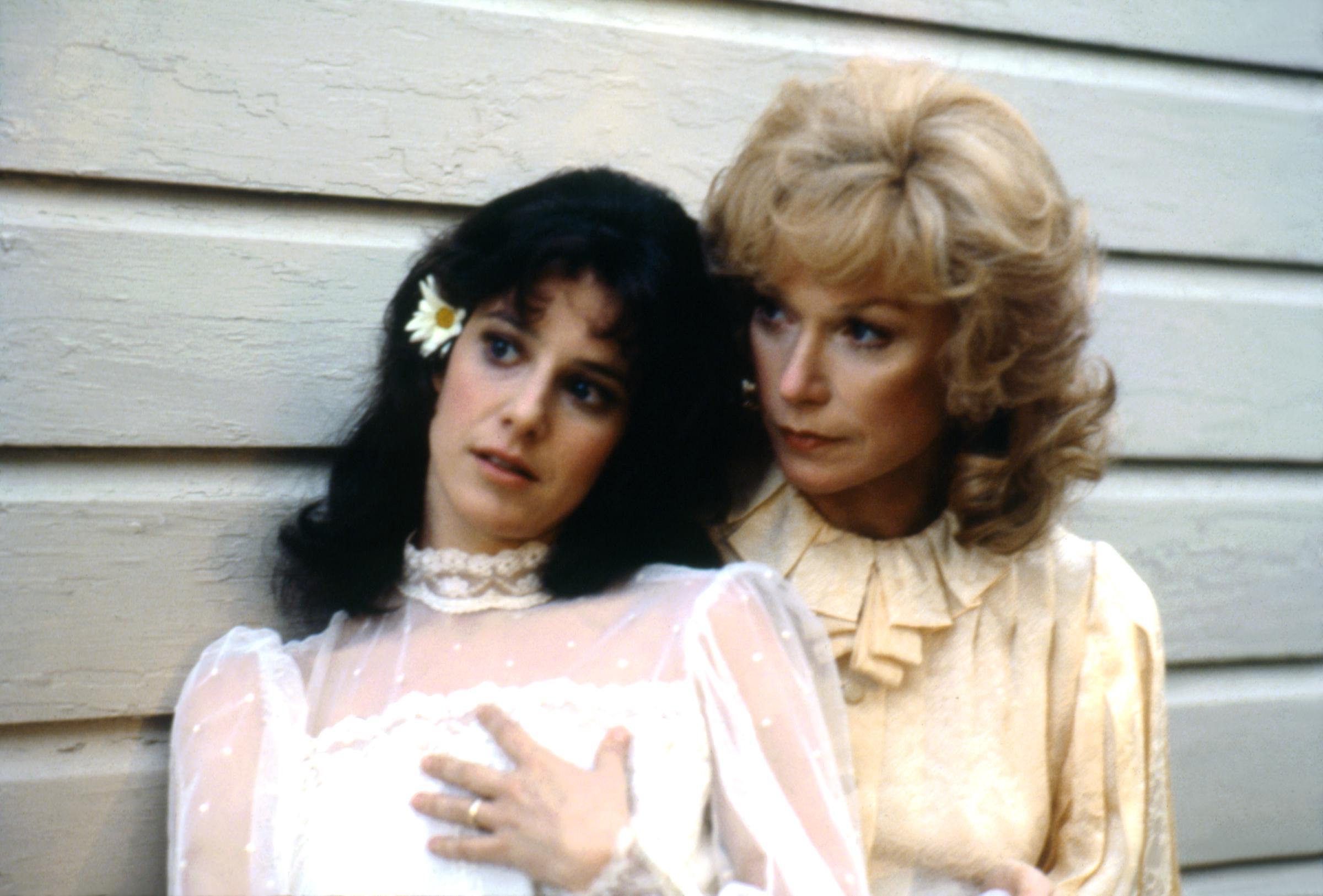
The following year, she received another Oscar nomination for her work in “Terms of Endearment,” a poignant family drama featuring Shirley MacLaine and Jack Nicholson.
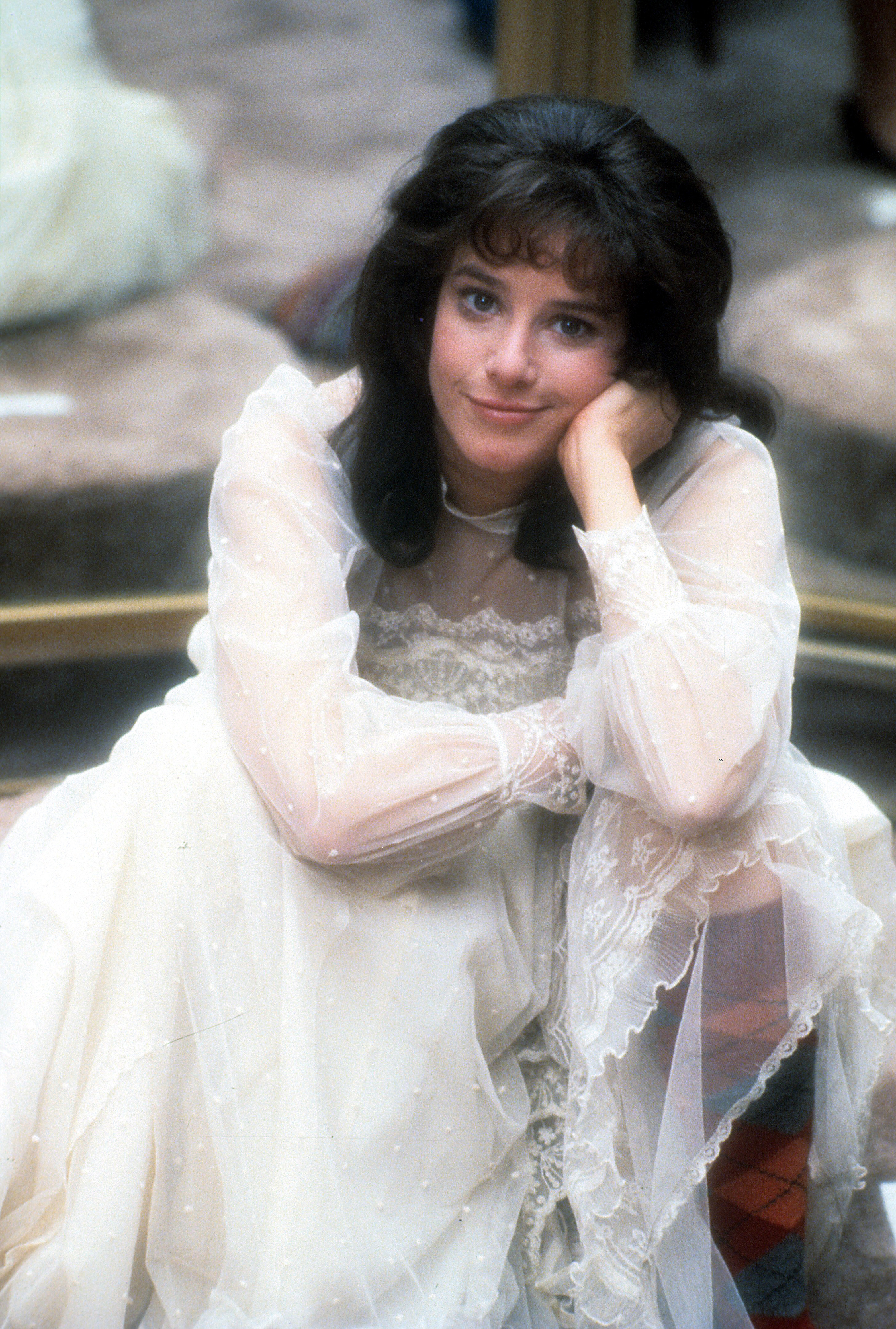
By the mid-1980s, she had reached the pinnacle of her career, recognized as one of the most gifted performers of her generation. Yet, despite her achievements, she felt increasingly disillusioned with the Hollywood scene.
The industry’s obsession with appearance over talent frustrated her, and she bristled at the unrealistic beauty standards imposed on actresses.
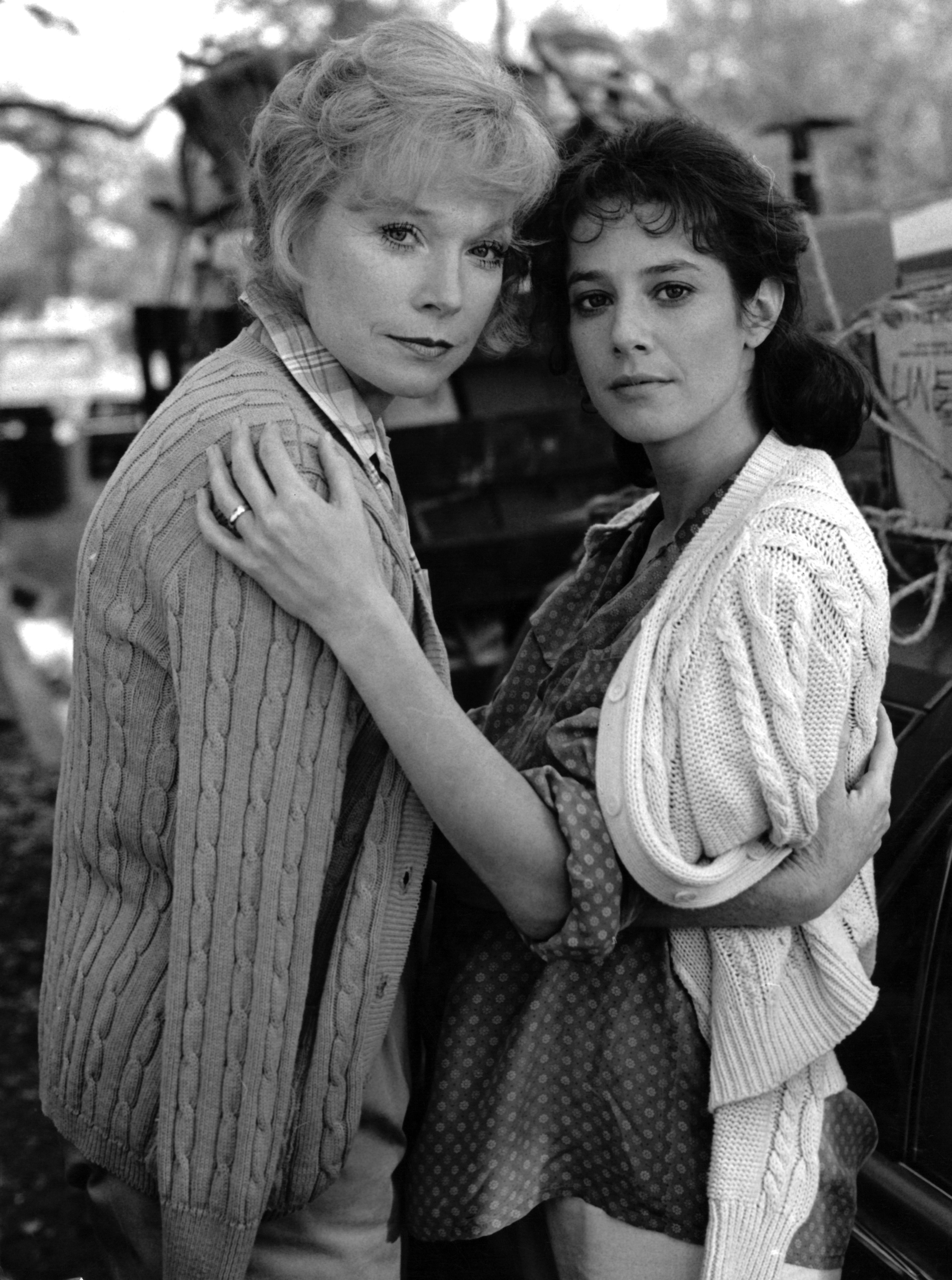
While filming “An Officer and a Gentleman,” she recalled being handed water retention pills by someone on set, who remarked that she appeared “puffy in the dailies.”
Stunned, she replied, “I was so young that I didn’t even know what they were. I just passed them back and said, ‘I won’t take that.’ It seemed absurd to me. However, someone else might have easily caved in,” she noted.
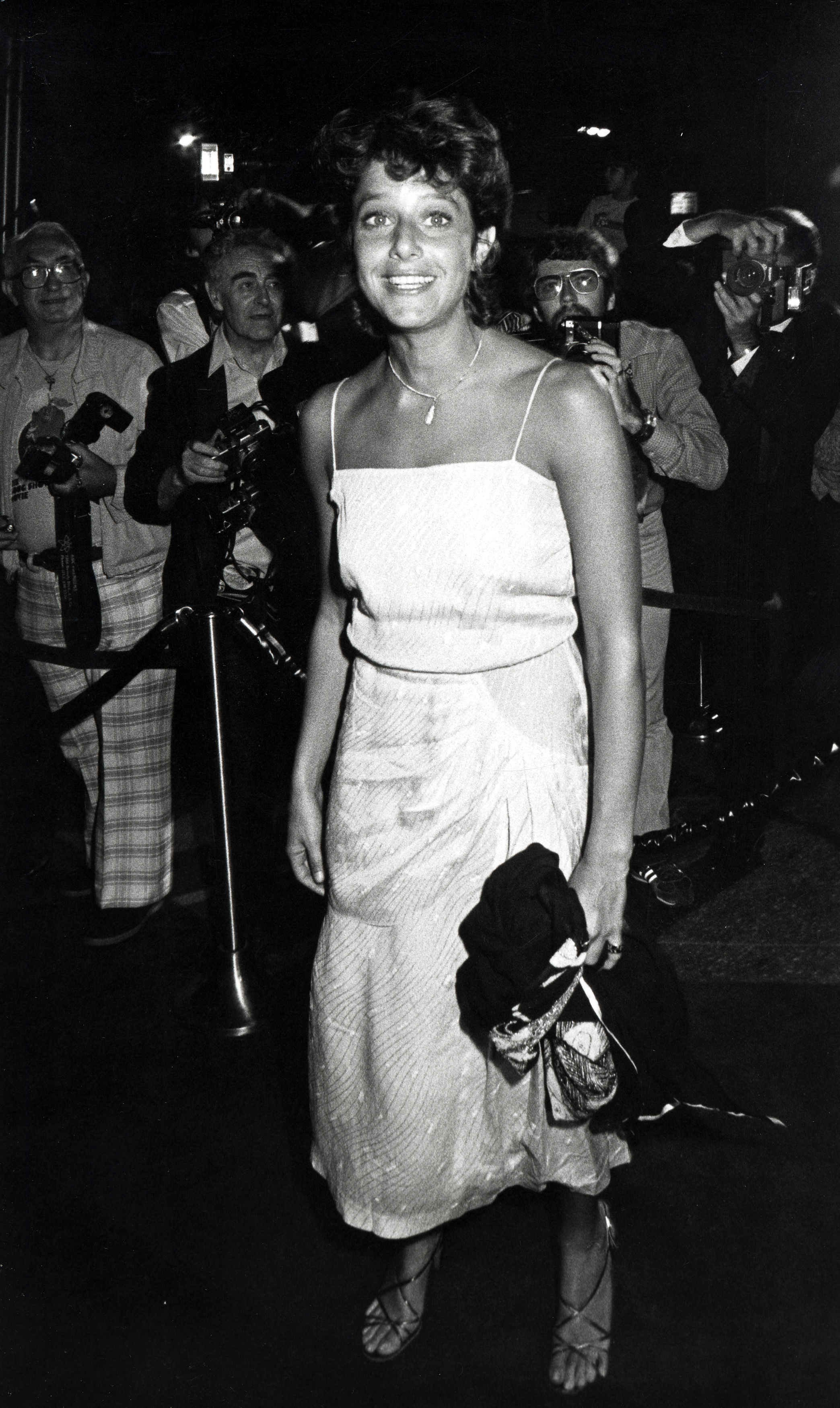
Her strong-willed nature earned her respect as well as apprehension in Hollywood. She was unafraid to voice her opinions, even if it meant disagreements with directors or declining lucrative offers.
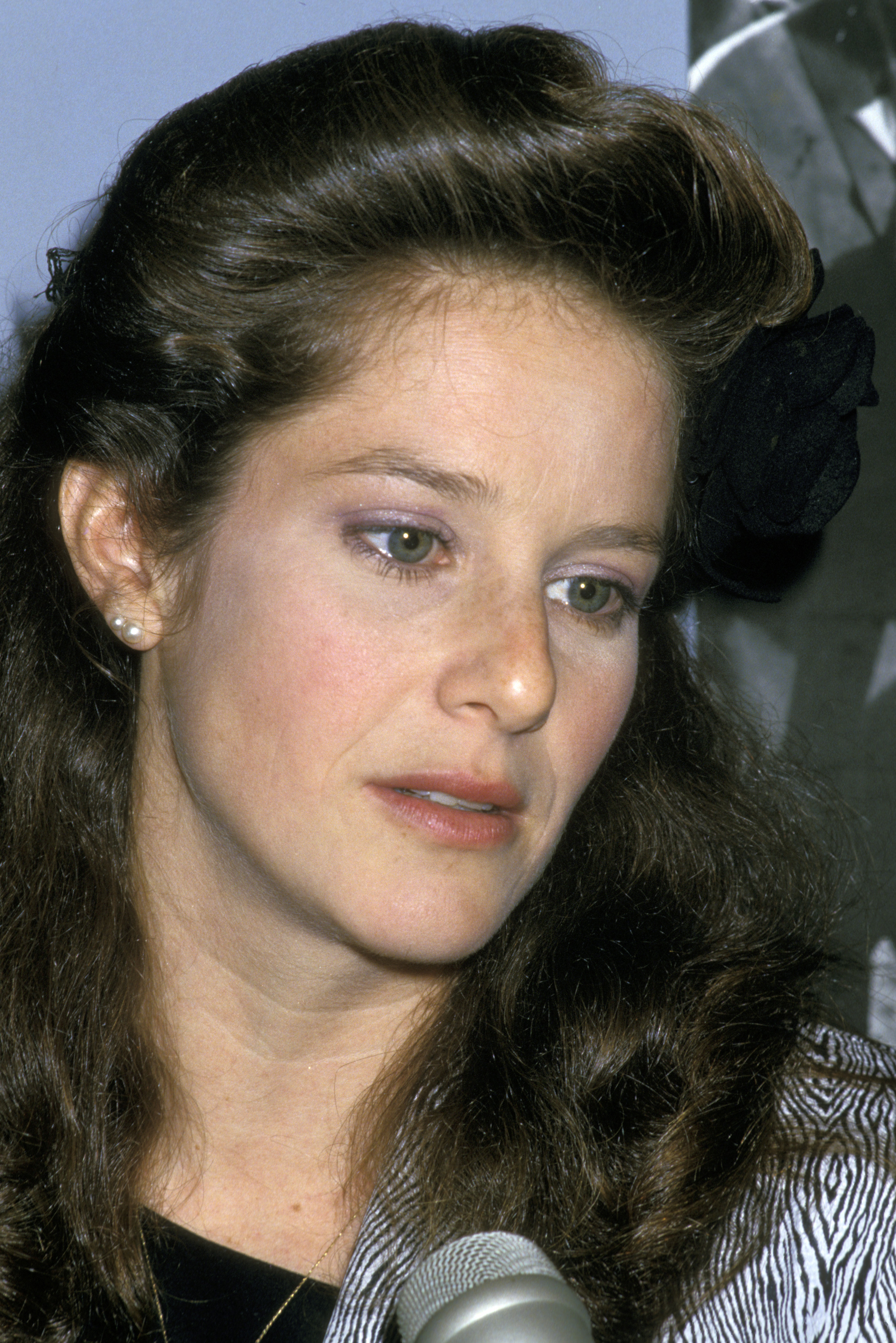
However, by the early 1990s, she sensed a shift in the industry that no longer excited her. The emergence of male-centric blockbusters resulted in fewer substantial roles for women, and the quality of scripts dwindled.
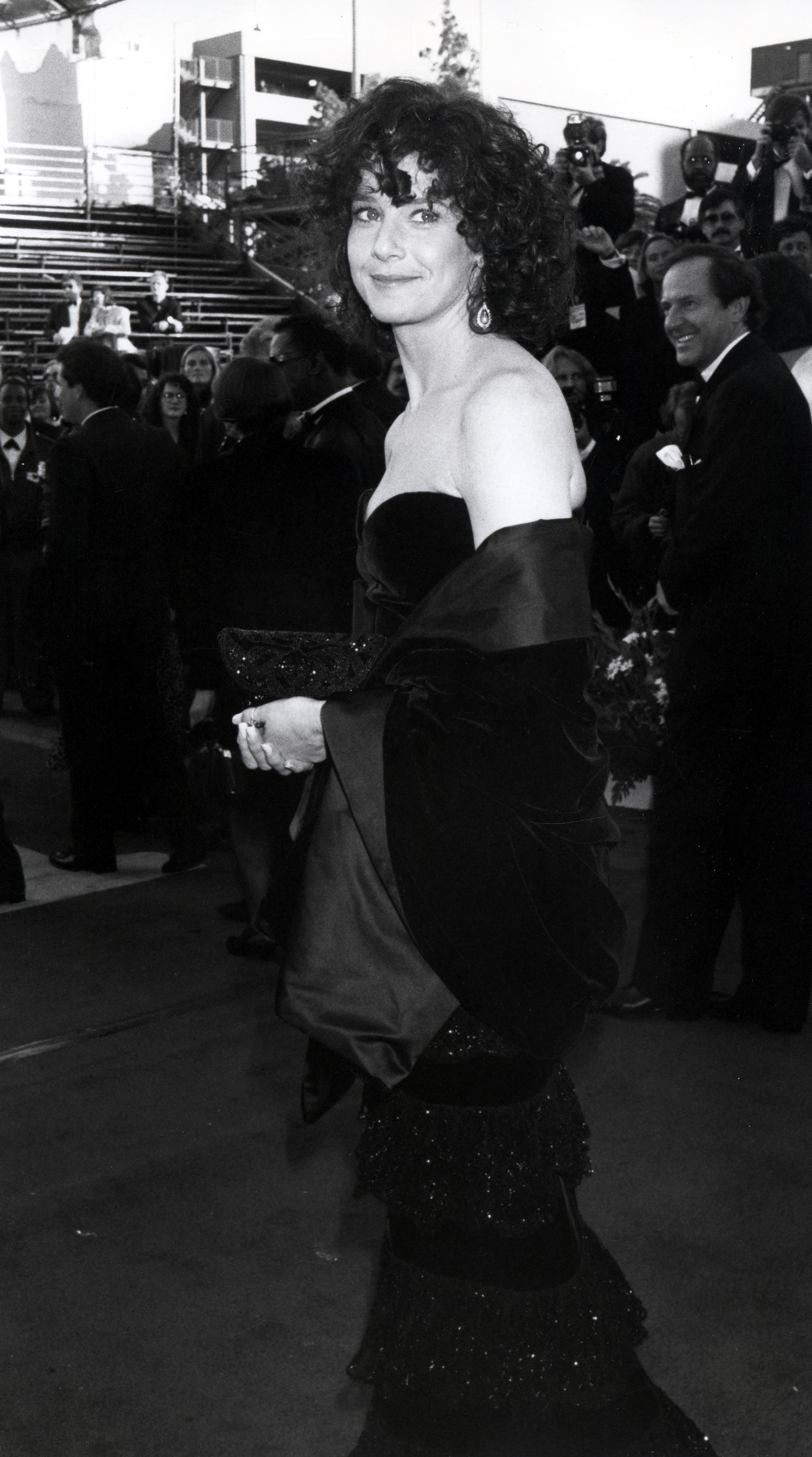
After receiving her third Oscar nomination for “Shadowlands” in 1994 — a film she described as “the most literate script I’ve ever read” — she made the surprising choice to step away from acting.
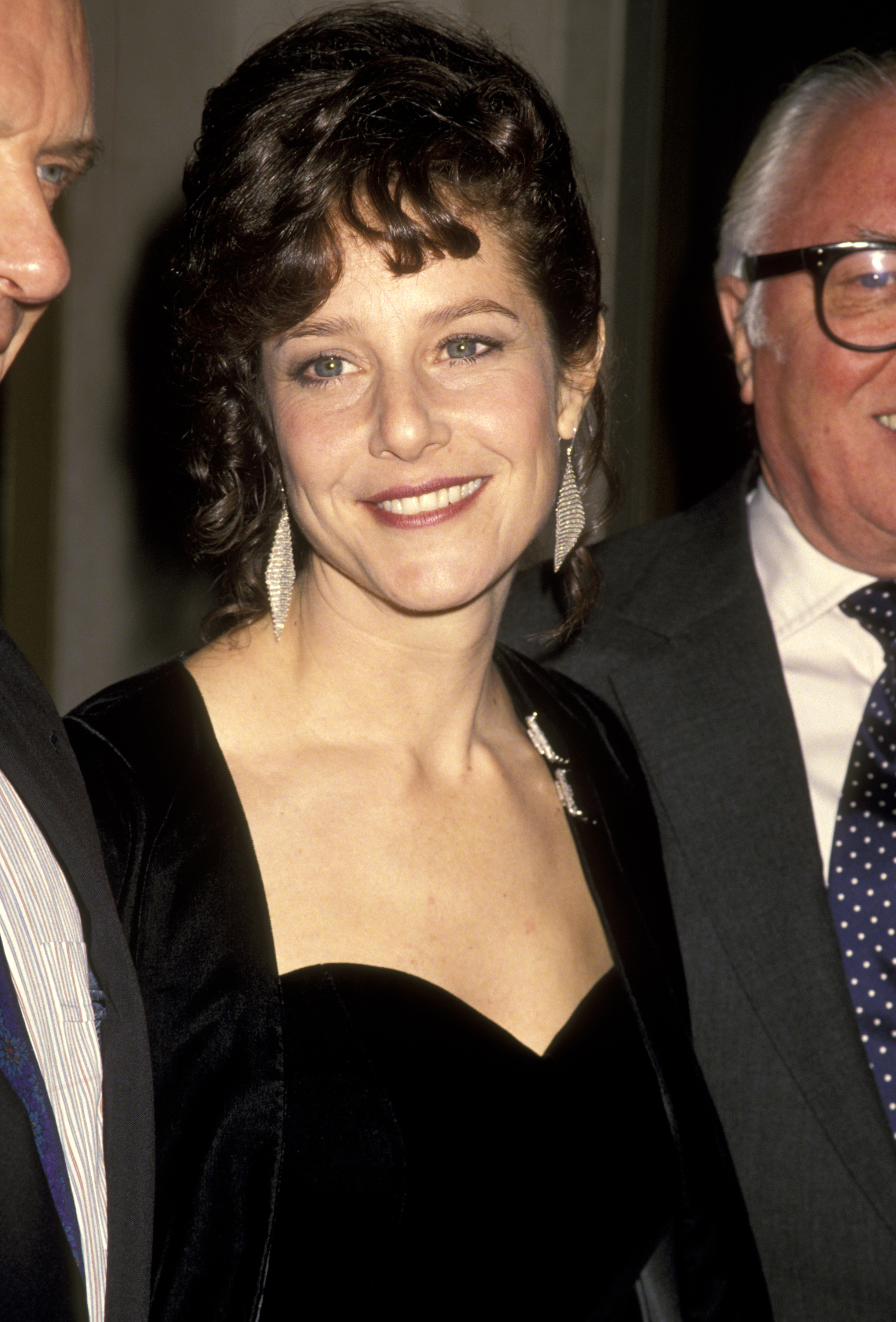
Now residing in a peaceful town along the Hudson River near New York City, she rarely gives interviews. While some may perceive her as “guarded,” those who meet her find her warm, honest, and quick-witted.
Her departure from Hollywood puzzled many, as she was still enjoying success. Some speculated that her relationship with Nebraska’s then-governor Bob Kerrey, whom she met during the filming of “Terms of Endearment,” played a role in her decision.
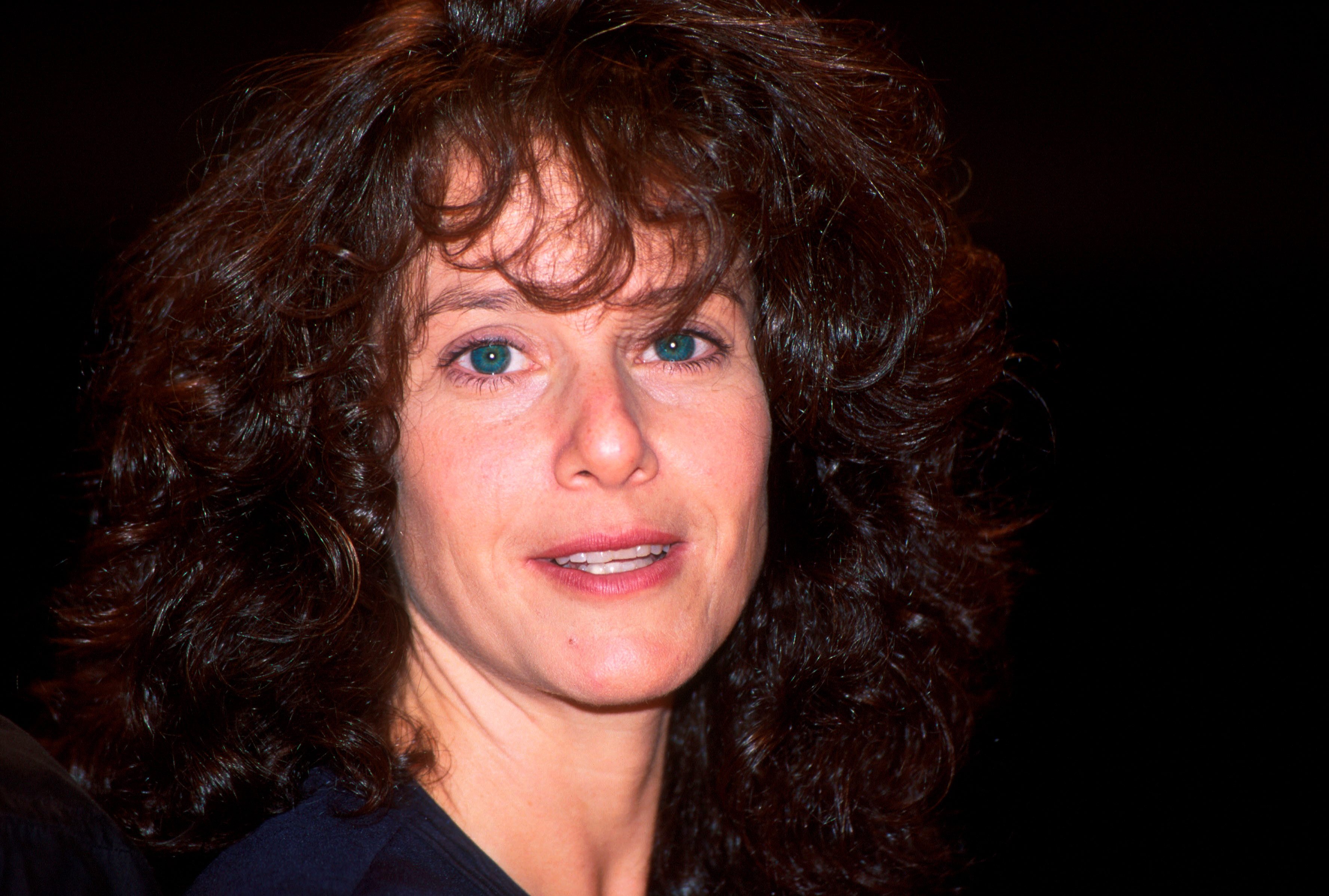
Their romance was passionate; Kerrey, who lost part of his leg in Vietnam, humorously remarked, “What can I say — she swept me off my foot.” Although deeply in love, their relationship ultimately ended, with the actress stating, “I tried wearing the pillbox hat for a while, but it wasn’t for me.”
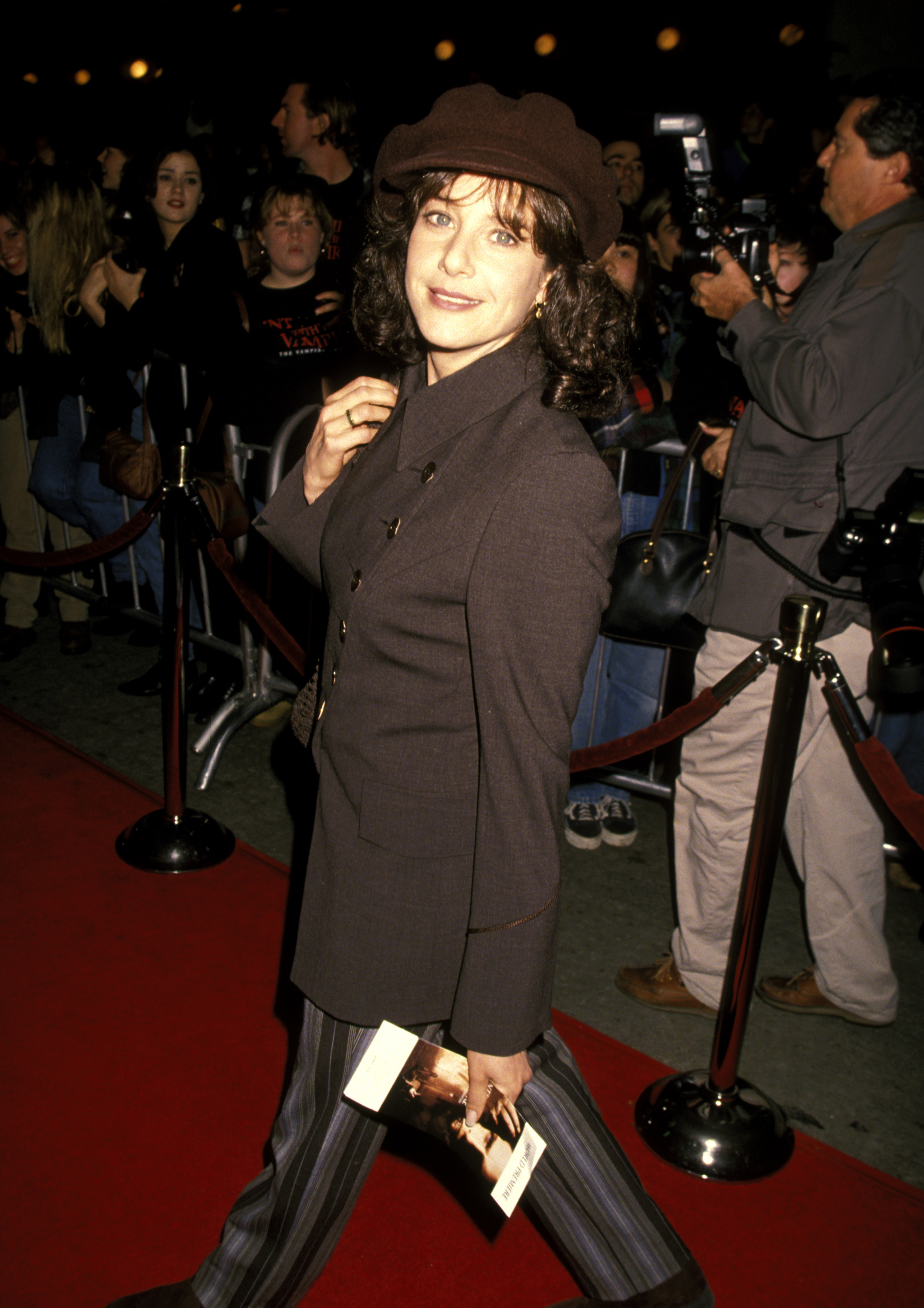
Others suggested health issues were a factor, noting her ongoing back problems. However, she affirmed that her departure was a personal choice.
“No, I left because I stopped feeling challenged,” she clarified. “I don’t want to sound like a grumbling voice about ‘women’s roles,’ but it just wasn’t right,” she added.
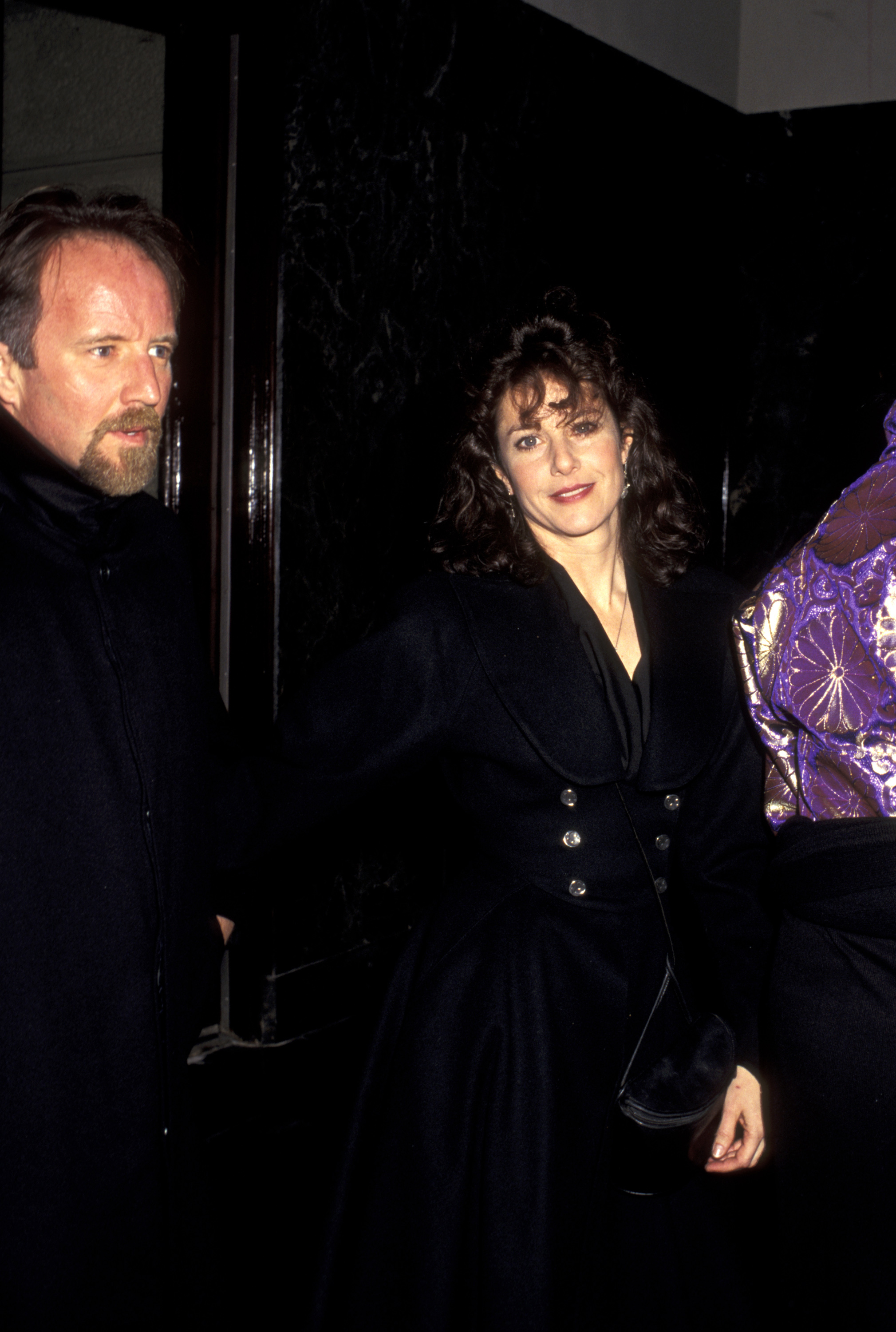
During her time away from acting, she concentrated on her family. In 1996, she married actor, director, and writer Arliss Howard, whom she met while filming “Wilder Napalm” in 1993. “A good marriage is different from a happy one. Happy is a tough word. But I did well with whom I married!” she remarked.
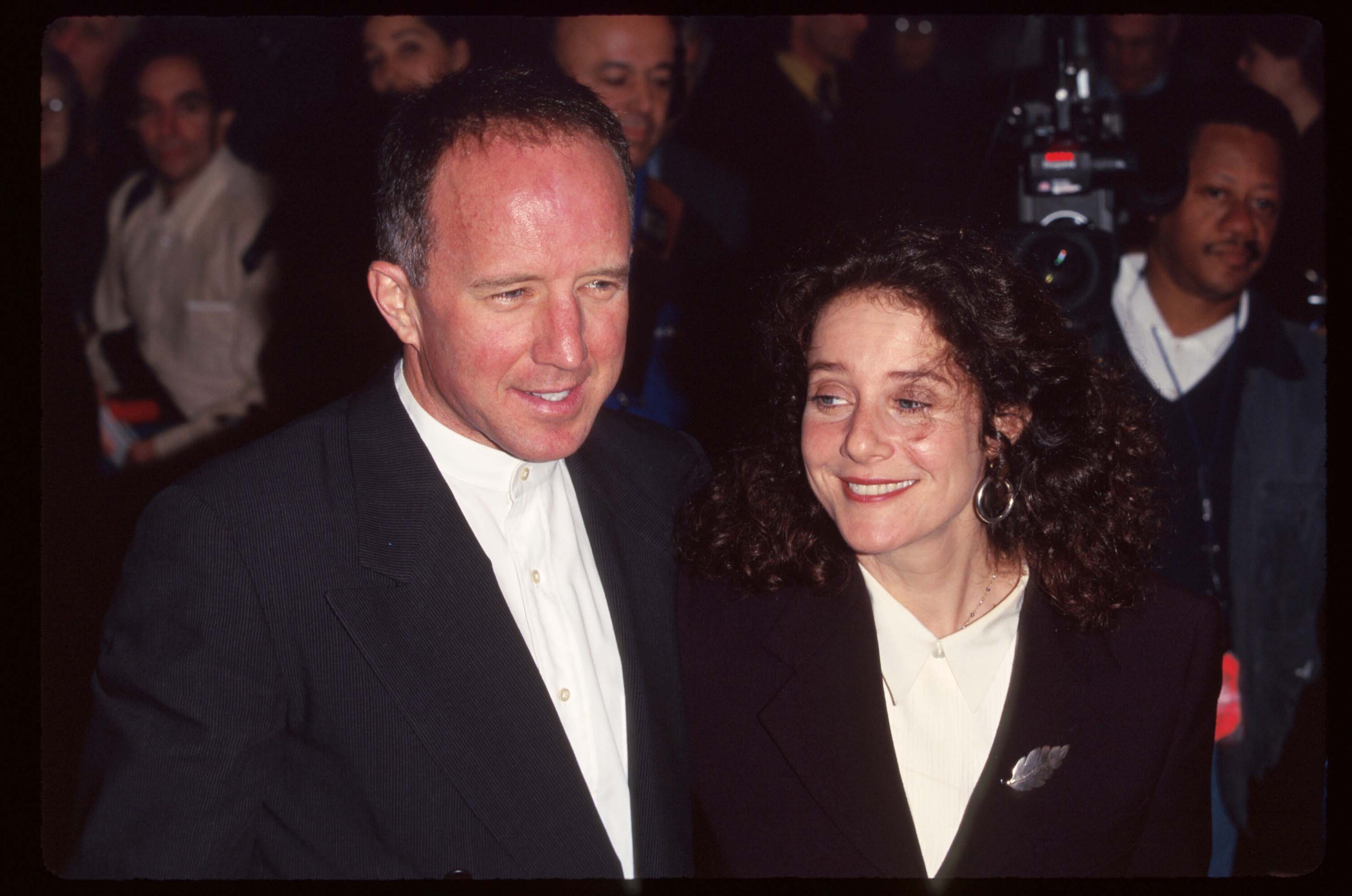
Together, they raised a blended family consisting of three sons: Noah, born in 1987 during her previous marriage to actor Timothy Hutton; her stepson Sam; and her youngest son with Howard, Babe.
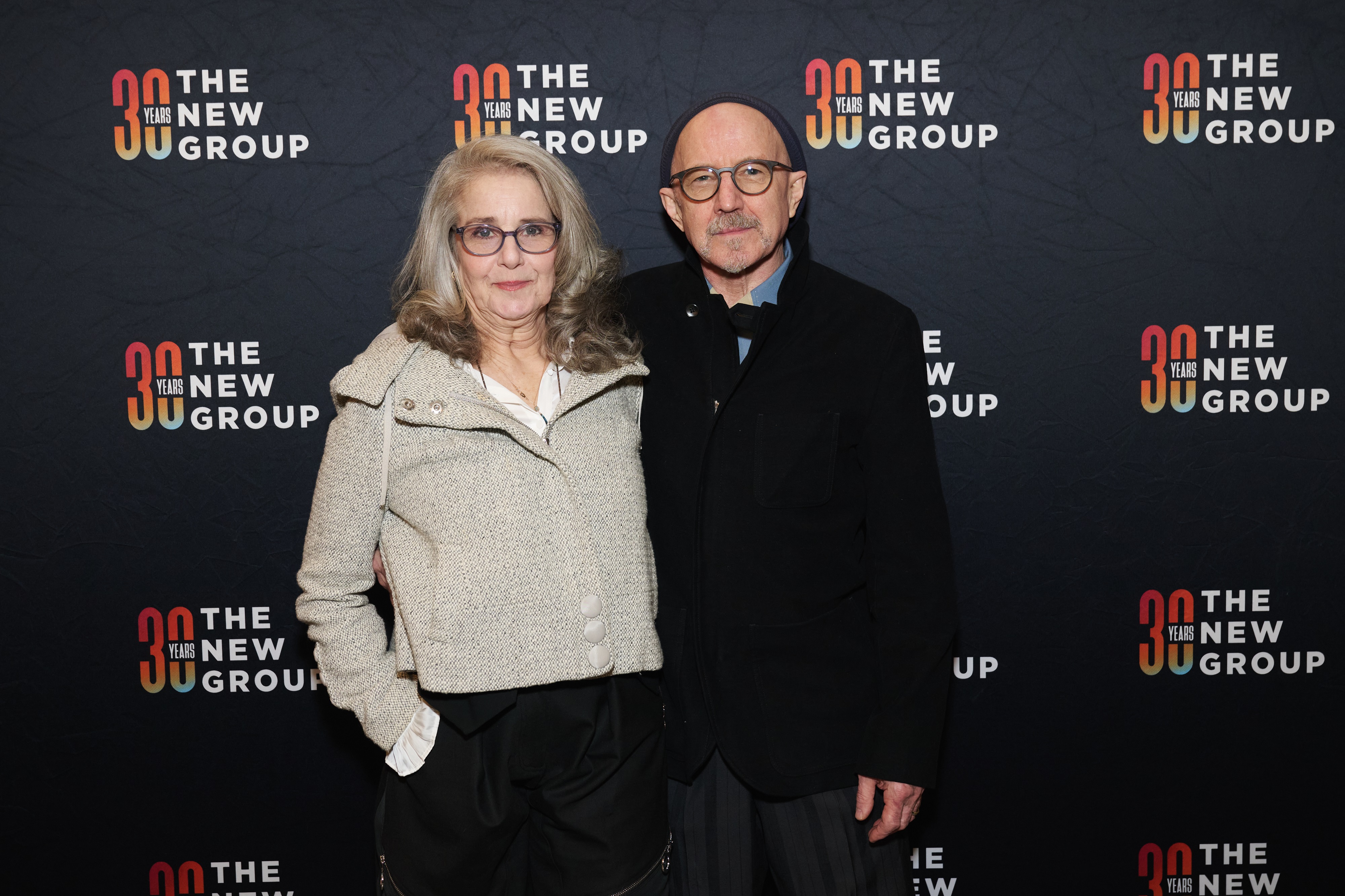
“She’s a very caring, thoughtful mother, and balancing her commitment to work with raising us when we were young was difficult for her,” noted her eldest son.
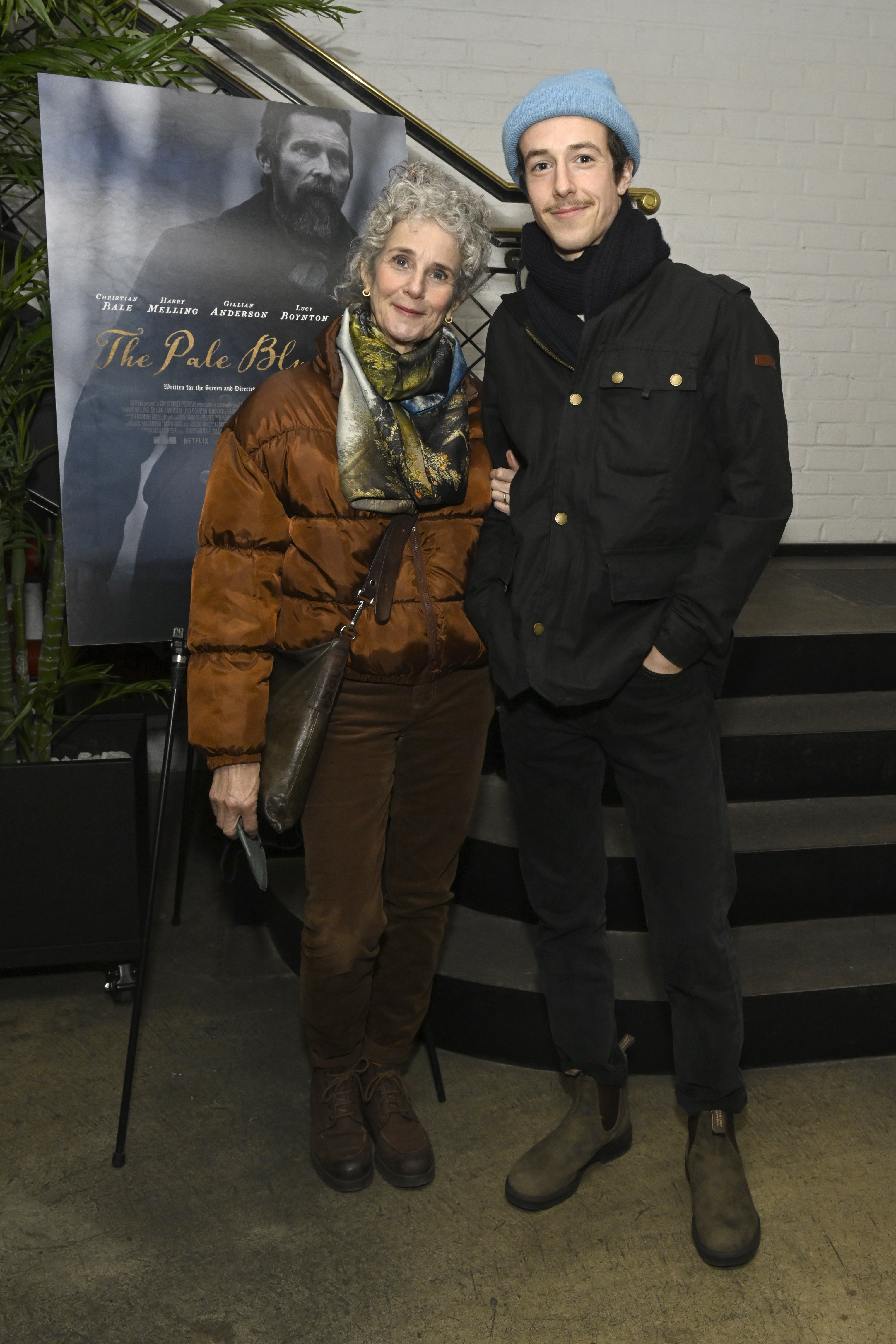
Like their mother, all three of her sons pursued careers in film. Noah works as a cinematographer, director, and editor, Sam is involved in screen advertising, while Babe is an actor, writer, and director.
Despite their eventual career choices, she initially tried to dissuade her sons from entering the industry. “They were all banned from going into show business, and look where we are now!” she laughed. Nevertheless, education was a priority. “They did receive a proper education — I wouldn’t pay for film school,” she emphasized.
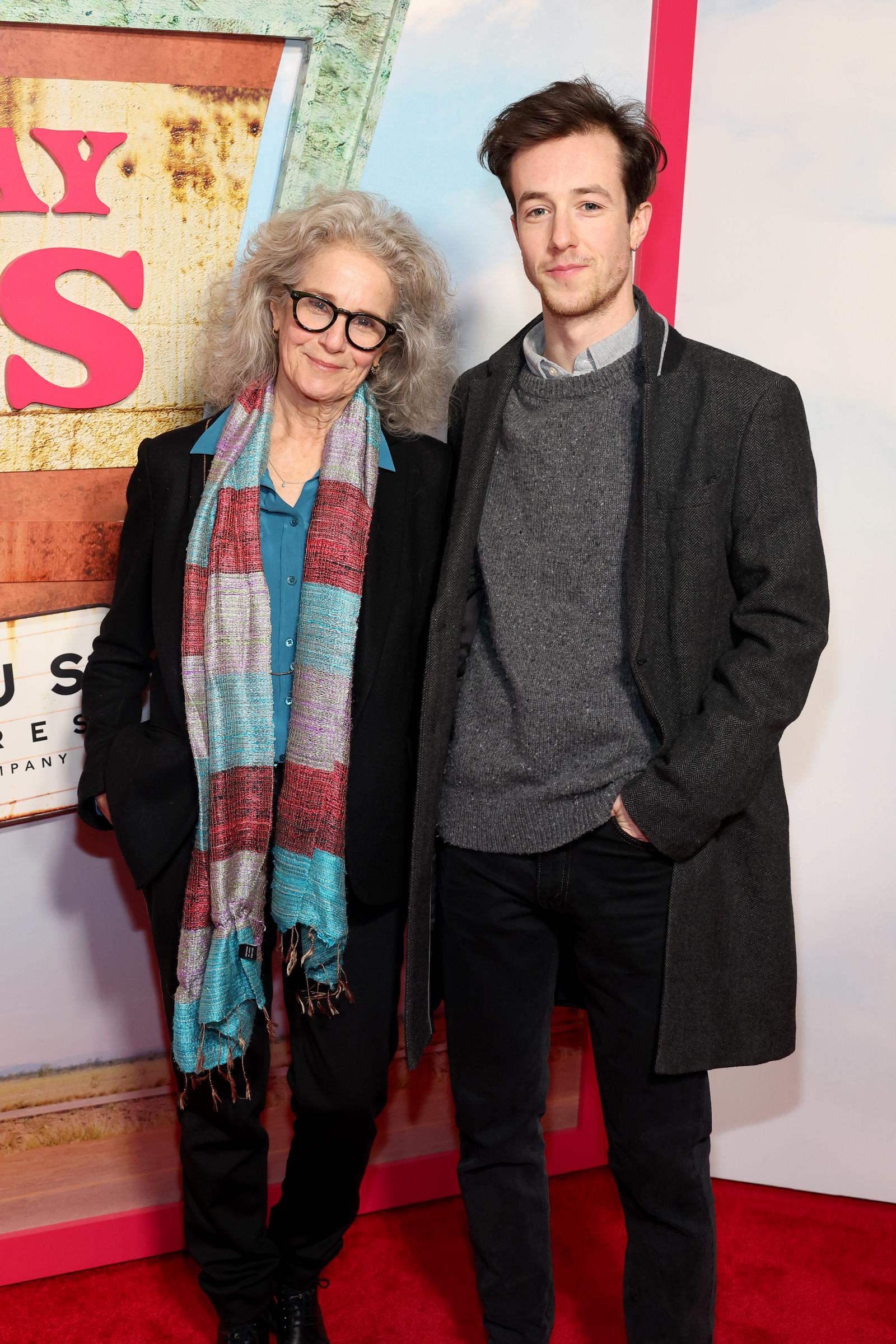
Winger also devoted time to caring for her mother during the last three months of her life, engaged in environmental activism and charitable endeavors, taught at Harvard, authored a book, and performed on stage. “I did plenty of intriguing work,” she stated. “None of it felt like a substitute for acting.”
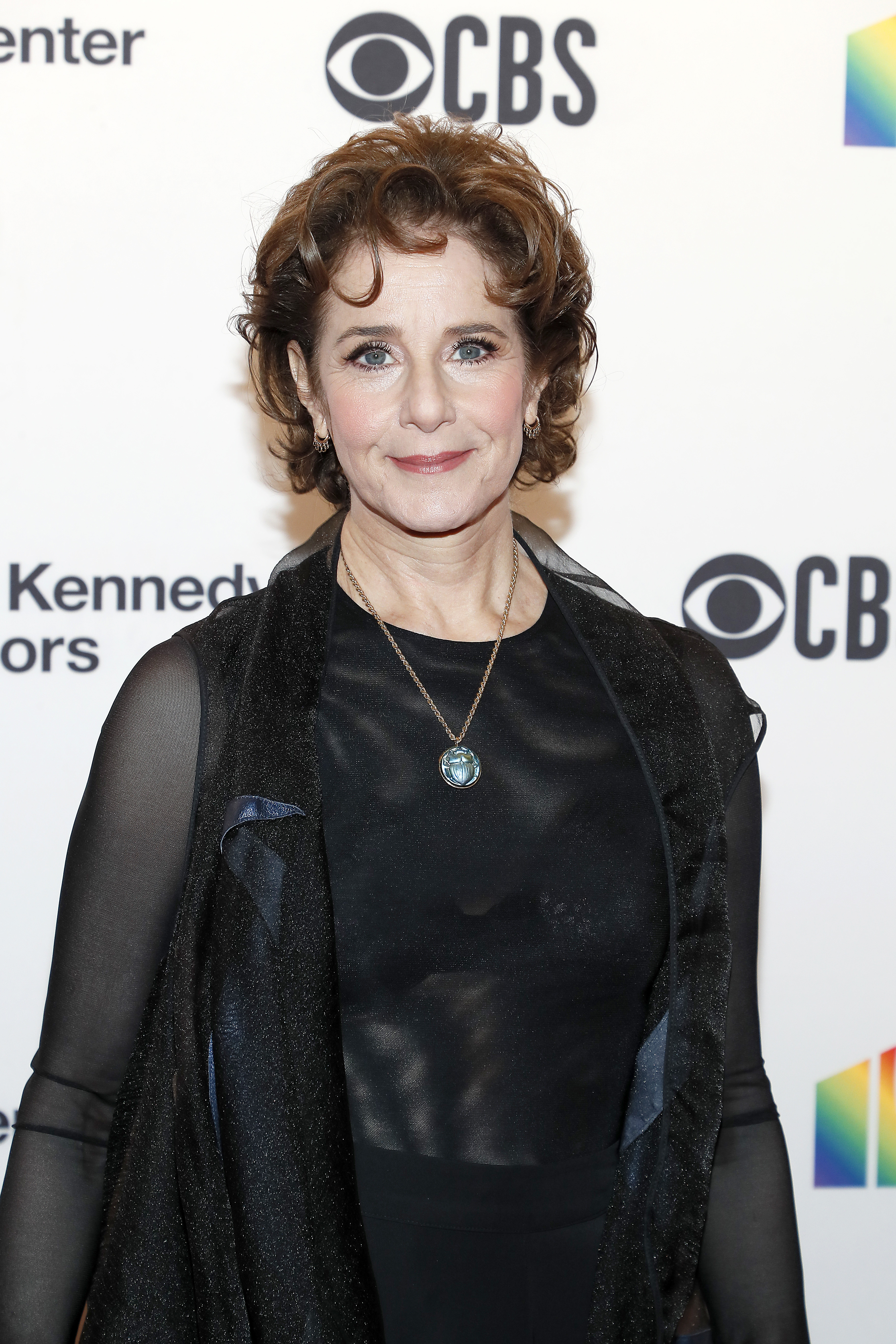
She heightened her activism by campaigning for stricter gun control and later appeared in the television film “Dawn Anna,” which addressed the heartbreaking Columbine High School tragedy. On her political views, she once stated, “Until money is removed from politics, democracy cannot exist.”
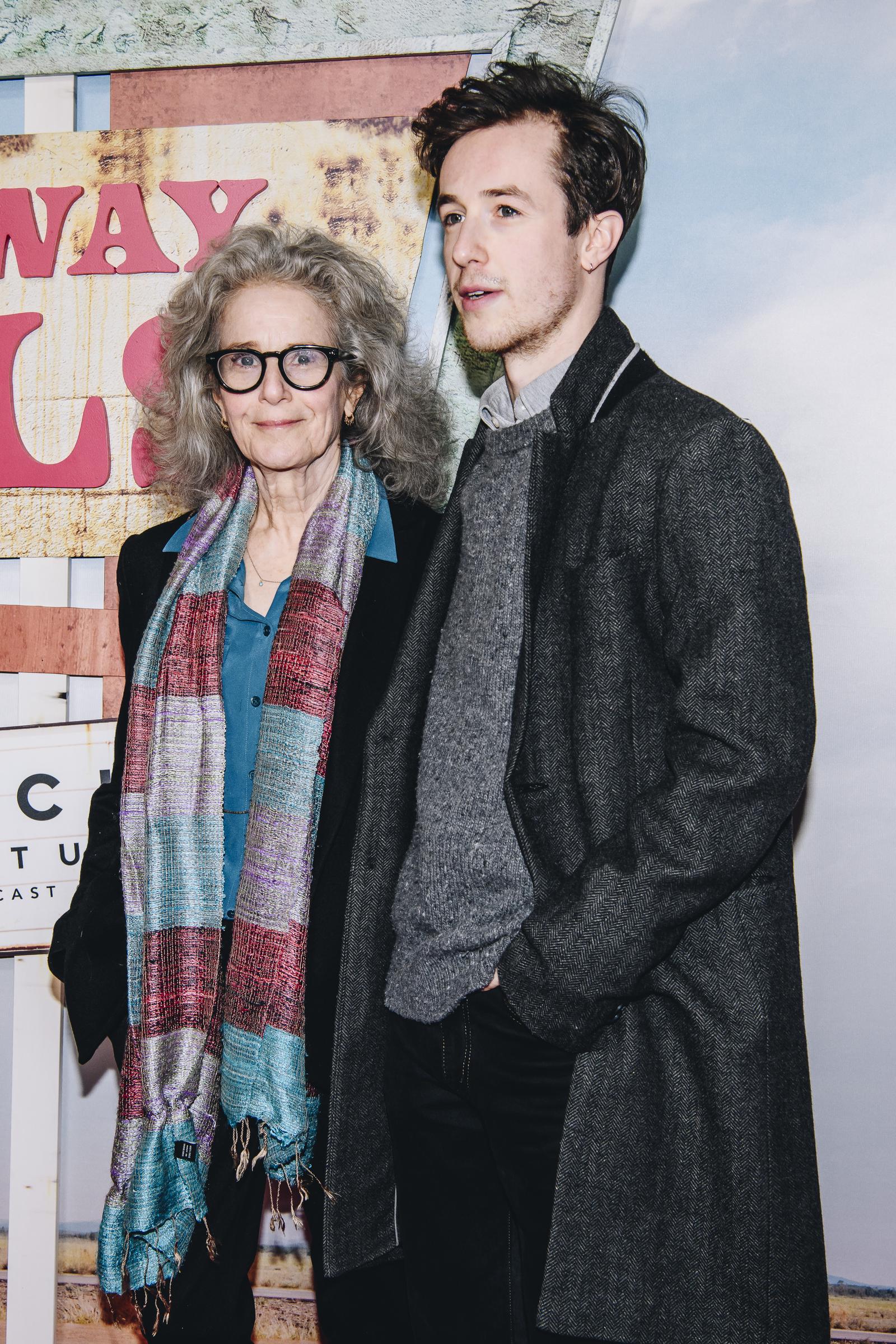
This actress is none other than Debra Winger, who, while making occasional indie film appearances, largely remained out of the spotlight until 2016, when she joined the Netflix series “The Ranch” alongside Ashton Kutcher.
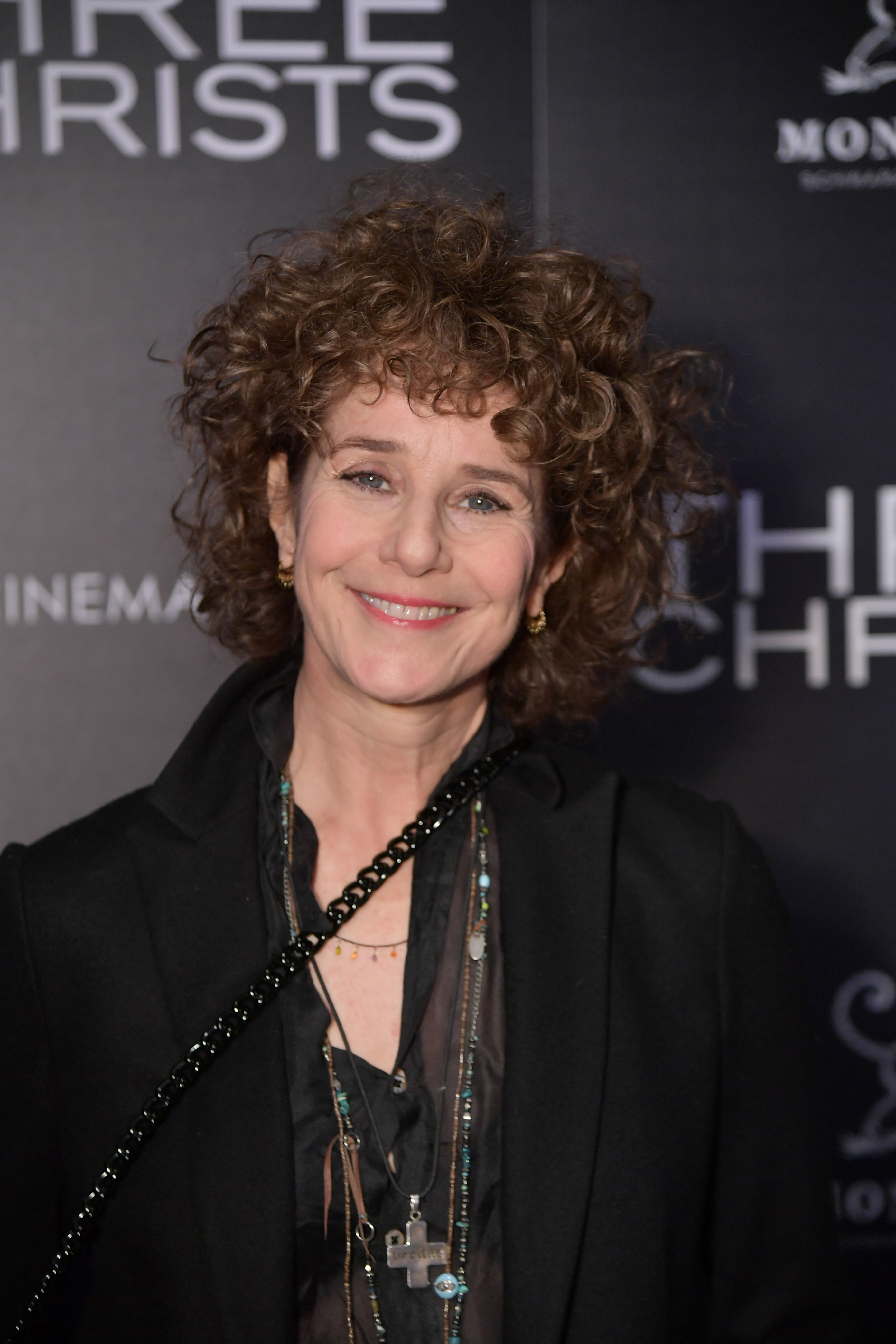
Still, she has voiced her critiques regarding the entertainment industry. “I don’t believe it’s settled yet. [The industry] is still in turmoil,” she expressed.
Nevertheless, her return to acting came with hurdles. “I never expected to resume working, and when I did, it was incredibly tough,” she confessed. “I wouldn’t recommend anyone step away the way I did.”
Although she has been absent from the acting world for years, fans continue to remember Winger’s enduring beauty. One social media user commented, “You look GREAT miss lady,” while another added, “Still beautiful,” and a third person remarked, “Debra, you look lovely.”
As of 2017, Winger divides her time between her working farm in Sullivan County, New York, and various film projects. She cherishes Sundays spent gardening and working towards solarizing her property.
Reflecting on her journey to fame, Winger clarified that she never actively pursued celebrity status. Instead, her motivation stemmed from a desire to excel in her craft and convey her innermost thoughts and emotions.
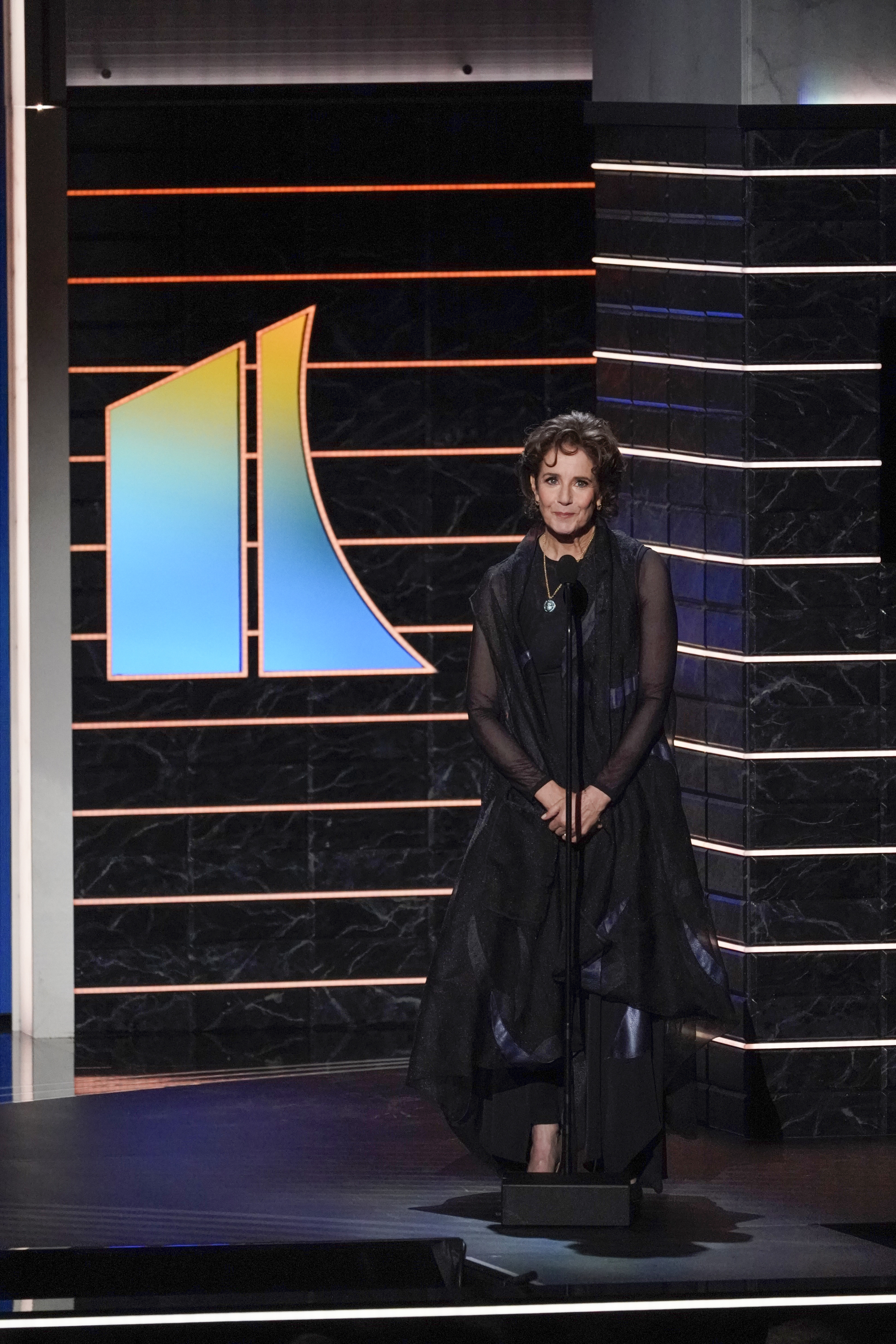
Now, after years of experience and a deeper self-understanding, she feels empowered to express her true self, aligned with her own standards.
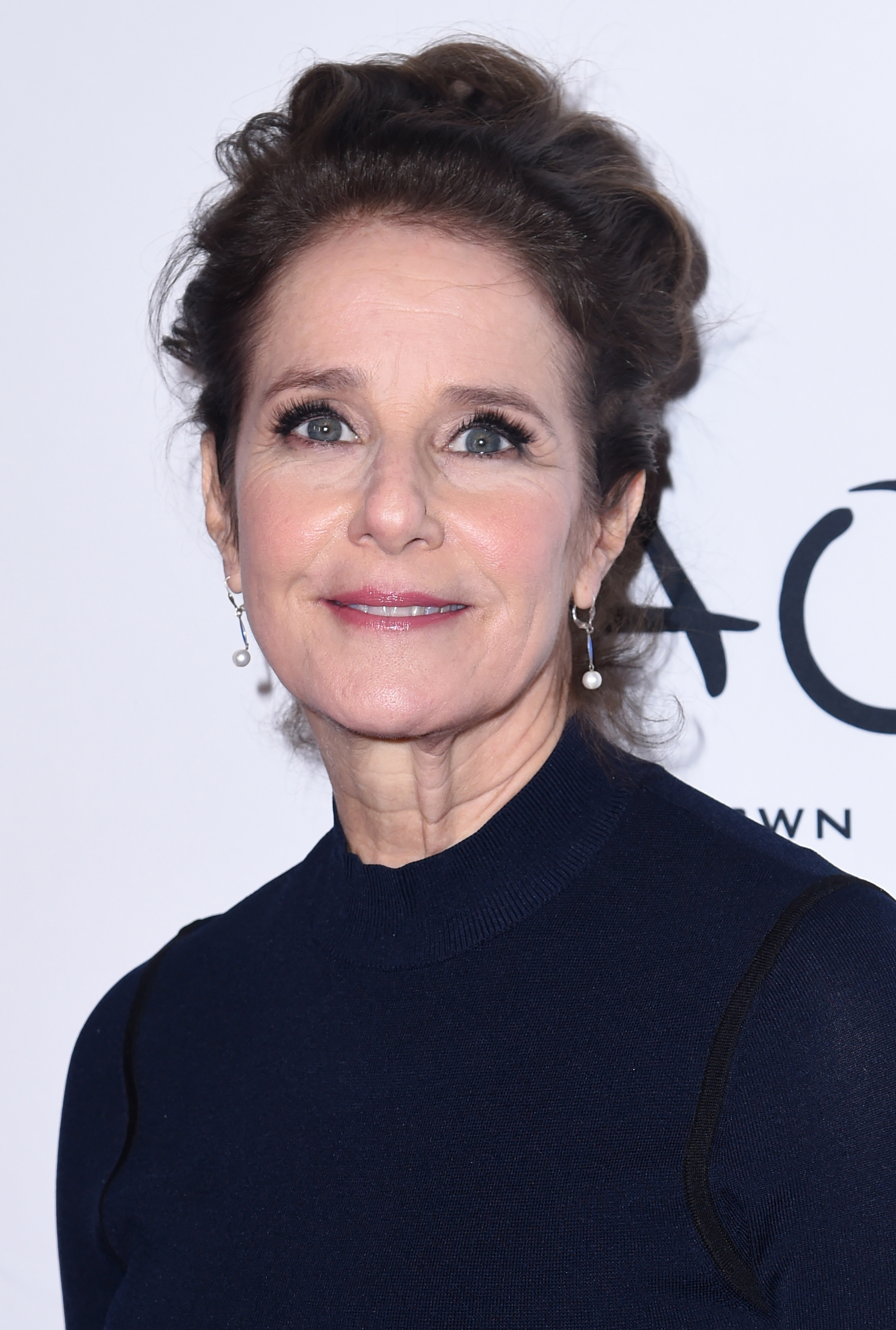
Looking back on her life and career, she remains unapologetically authentic. “There’s so much living yet to be done,” she said, emphasizing that her living has always been on her own terms.